Hot Tub vs Pool: Cost, Upkeep, and Enjoyment Math
The trade-off between a hot tub and a pool — cost, use days, and resale.
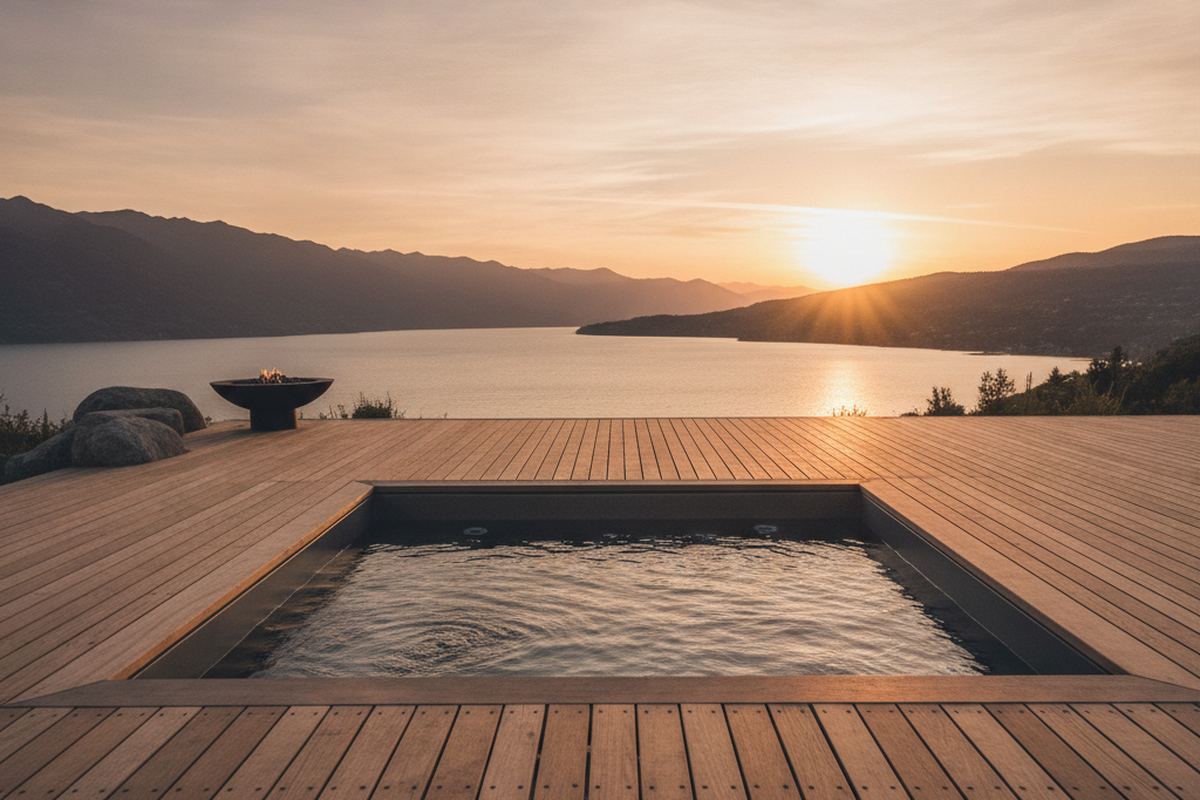
Deciding between a hot tub and a swimming pool for your backyard is a significant investment that impacts both your finances and lifestyle. Understanding the long-term costs, maintenance demands, and overall enjoyment each option offers is crucial for making an informed choice. This guide breaks down the financial and practical considerations, helping you determine which addition best suits your home and family's needs. We'll explore everything from initial purchase to ongoing operational expenses and potential resale value.
Initial Investment: Hot Tub vs. Pool Purchase Price
The upfront cost is often the first consideration for homeowners. Hot tubs, including portable and in-ground models, generally range from $5,000 to $20,000, not including installation or electrical work. High-end, custom-built spas can exceed this range, especially when integrated into a larger landscape design. The variance depends heavily on size, features like jets and lighting, and material quality.
Swimming pools, on the other hand, represent a substantially larger initial outlay. An above-ground pool might start around $3,000 to $10,000, while in-ground pools typically range from $40,000 to $100,000 or more. Factors such as pool type (fiberglass, vinyl liner, concrete), size, depth, decking materials, and additional features like waterfalls or heating systems drive these costs. Custom designs and premium finishes can push the total well beyond the average.
Operational Expenses: Energy, Water, and Chemicals
Beyond the purchase price, ongoing operational costs are a critical factor. Hot tubs require consistent heating, which can be a significant energy draw, particularly in colder climates or when used frequently. Monthly electricity costs for a hot tub can range from $20 to $100, depending on insulation, usage, and local energy rates. Additionally, water changes and chemical treatments add to the recurring expenses, typically $10-$30 per month.
Swimming pools incur higher operational costs due to their larger water volume and extended usage periods. Heating a pool, especially during cooler months, can cost hundreds of dollars monthly. Filtration pumps run for several hours daily, consuming electricity. Chemical costs for a pool generally range from $50 to $150 per month, depending on size and usage, to maintain proper sanitation and water balance. Water top-offs due to evaporation also contribute to utility bills.
Maintenance Time and Effort: A Daily or Weekly Chore?
Hot tub maintenance is generally less demanding than pool upkeep, but still requires consistent attention. This includes checking and adjusting chemical levels 2-3 times per week, cleaning filters every few weeks, and draining and refilling the tub every 3-4 months. Covers also need regular cleaning and inspection to maintain their insulating properties. Many owners find these tasks manageable within short periods.
Swimming pools demand a more rigorous and time-consuming maintenance schedule. Daily tasks often include skimming debris, checking pump and filter operation, and visually inspecting water clarity. Weekly tasks involve vacuuming, brushing walls, testing and adjusting chemical levels, and cleaning skimmer baskets. Professional pool service, which can cost $100-$200 per month, is a common choice for those who prefer to delegate these responsibilities.
Estimate real inground and above-ground pool cost — build plus annual upkeep — in under a minute.
Open the Pool Cost EstimatorInsurance Implications and Safety Considerations
Both hot tubs and pools can impact homeowner's insurance premiums. Insurers typically view these additions as 'attractive nuisances,' increasing the risk of injury claims. For hot tubs, ensuring a secure, lockable cover is often sufficient to mitigate risk and may prevent a significant premium increase. Always inform your insurance provider about any new installations to ensure adequate coverage.
Swimming pools usually result in a more substantial increase in insurance premiums, potentially adding $50 to $100 or more annually to your policy. Most insurers require specific safety measures, such as fencing with self-closing, self-latching gates, alarms on doors leading to the pool area, and potentially liability umbrellas. These safety features are not only critical for peace of mind but are often mandatory for maintaining coverage and complying with local ordinances.
Usage Frequency and Seasonal Enjoyment
Hot tubs offer year-round enjoyment in most climates, making them a versatile option for relaxation and hydrotherapy. Their smaller size and efficient heating allow for use even during colder months, providing a warm retreat. This consistent accessibility often translates to higher usage frequency compared to seasonal pools, maximizing the return on investment from a 'days of use' perspective.
Swimming pools are often seasonal amenities, primarily enjoyed during warmer months. While heated pools can extend the swimming season, the cost to maintain comfortable temperatures in cooler weather can be prohibitive for many. This seasonal limitation means that a significant portion of the year, the pool may be covered and unused, impacting the overall value derived from the investment unless you live in a perpetually warm climate.
Resale Value: Adding Appeal to Your Property
The impact of a hot tub on home resale value is generally modest. While it can be an attractive feature for some buyers, it's rarely a primary selling point that significantly increases property value. Many buyers see a hot tub as a personal preference, and some may even view it as an additional maintenance burden. Its contribution to resale is more about enhancing appeal than a direct increase in appraised value.
An in-ground swimming pool can add value to a home, particularly in regions with warm climates and a strong demand for pools. The typical return on investment for a pool ranges from 50% to 75% of its initial cost, but this is highly variable. Factors like the quality of the pool, surrounding landscaping, local market conditions, and the age of the pool all play a role. In some markets, a pool can even deter buyers who are not interested in the maintenance or liability, potentially limiting your buyer pool.
The bottom line
Choosing between a hot tub and a swimming pool involves a careful evaluation of initial costs, ongoing expenses, maintenance commitment, and personal enjoyment. Consider how each option aligns with your lifestyle, budget, and the climate you live in. By weighing these factors thoroughly, you can make a decision that brings lasting satisfaction and value to your home.
Get more guidance like this in your inbox
Weekly emergency-fund tactics, milestone checklists, and the next article — delivered free.
Run your own number
Get a personalized emergency fund target based on your income, expenses, and job stability.
Open the calculator