How Long Does a Fence Last? Lifespan by Material
Realistic fence lifespan numbers by material — wood, vinyl, chain-link, aluminum — and the climate and maintenance factors that move them up or down.
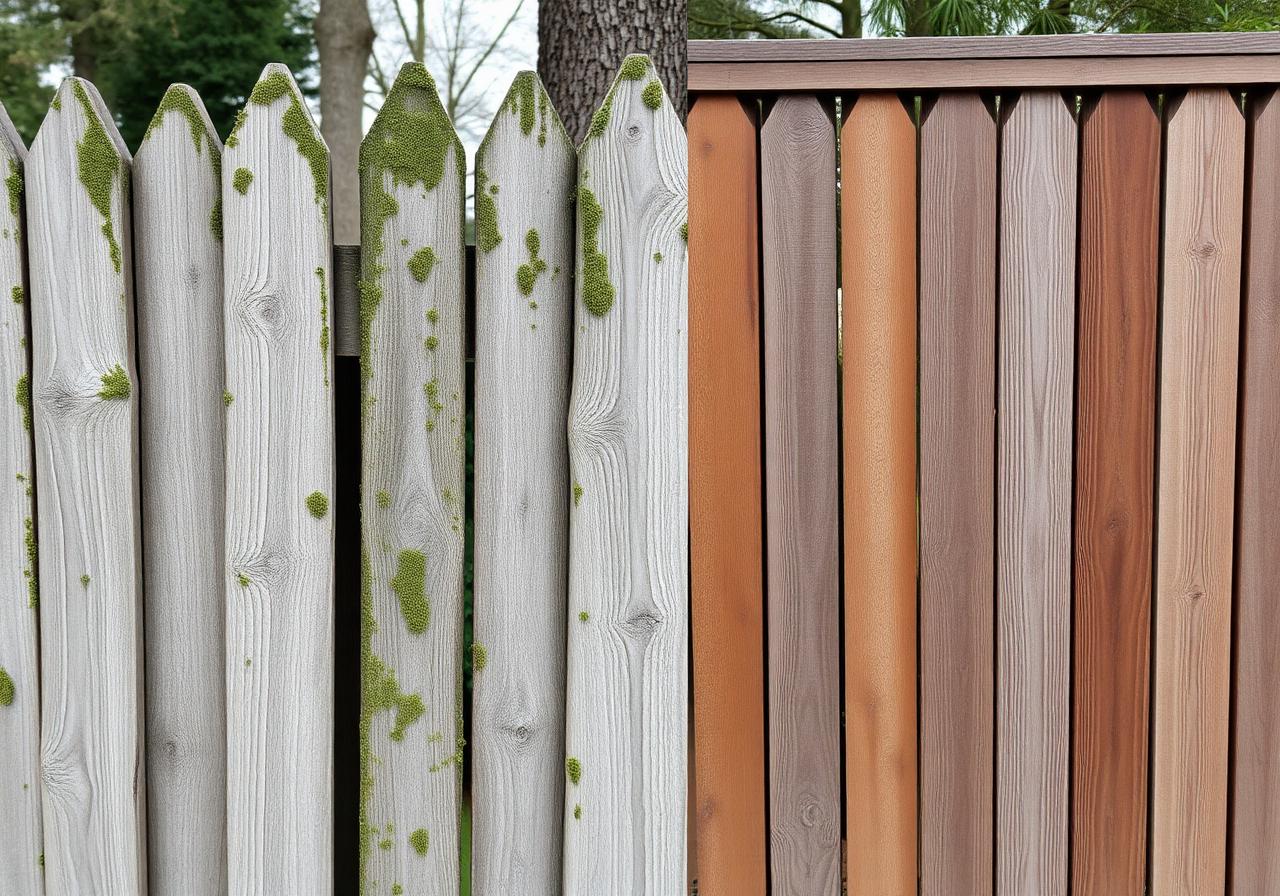
A fence is a 15- to 30-year purchase. The lifespan you actually get depends on the material, your climate, and how religiously you maintain it. Here are the real numbers from contractor data — not the optimistic ones in the marketing brochures.
Realistic lifespan by material
- Pressure-treated pine: 15–20 years
- Cedar: 20–25 years
- Redwood: 25–30 years
- Vinyl: 25–30 years (often outlasts the warranty)
- Galvanized chain-link: 15–20 years
- Vinyl-coated chain-link: 25–30 years
- Aluminum: 30+ years
- Composite: 30+ years
Climate adjustments
Wood fence in the Pacific Northwest or deep South: subtract 3–5 years. Wood fence in the desert SW or northern plains: add 2–3 years. Vinyl in extreme cold (below -20°F regularly): subtract 5 years if you bought builder-grade.
What actually kills fences
- Posts rotting at the soil line (wood) — adds 60% of all wood fence failures
- Pickets warping or splitting from sun exposure (wood)
- UV degradation making vinyl brittle (cheap vinyl)
- Galvanized coating eventually failing and rust setting in (chain-link)
- Storm damage — a tree branch beats every fence equally
Get installed cost for the long-lasting materials — compare wood, vinyl, and aluminum side by side.
Open the Fence Cost EstimatorMaintenance schedule that maximizes lifespan
- Wood: stain every 2–3 years, replace any board with visible rot immediately, check posts annually
- Vinyl: rinse with a hose annually, scrub mildew with mild soap, replace cracked panels quickly
- Chain-link: spot-paint rust on galvanized fences, tighten loose tension wire, replace top rail caps
- Aluminum: touch up paint chips with matching enamel, check welds annually
Replace vs repair signal
If more than 30% of posts are loose or rotting, it's almost always cheaper to replace the whole fence than to do post-by-post repair. Below 30%, post-by-post is a sane option for another 5–8 years of life.
Get more guidance like this in your inbox
Weekly emergency-fund tactics, milestone checklists, and the next article — delivered free.
Price your fence in seconds
Get exact post counts, concrete bags, materials, and installed cost for wood, vinyl, chain-link, or aluminum — free with our Fence Cost Estimator.
Open the Fence Cost Estimator