How Much Grass Seed Do I Need? (2026 Coverage Guide)
Exact grass seed pounds per 1,000 sq ft for new lawns, overseeding, and reseeding — by grass type.
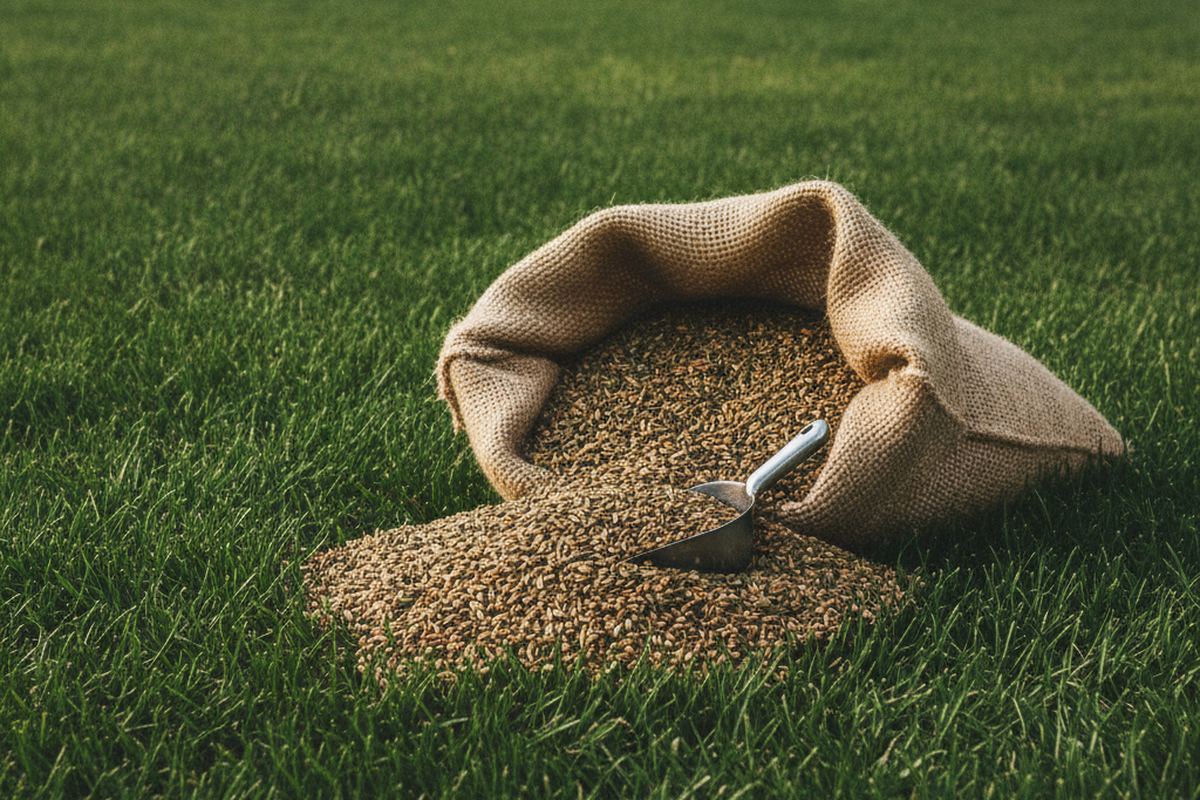
Understanding how much grass seed you need is crucial for a successful lawn project. Using too little seed can result in a thin, patchy lawn, while using too much wastes money and can lead to overcrowding, which hinders healthy growth. This guide provides clear, data-driven recommendations for 2026, helping you determine the precise quantities for new lawns, overseeding, or repairing bare spots. We'll break down coverage rates by grass type, ensuring you get the most out of your efforts and achieve a dense, vibrant lawn.
Why Accurate Seed Measurement Matters
Applying the correct amount of grass seed is more than just avoiding waste; it directly impacts the health and appearance of your lawn. When seeds are spread too sparsely, the resulting turf will be thin, leaving ample room for weeds to establish themselves. This not only detracts from your lawn's aesthetics but also requires more effort in weed control.
Conversely, using too much seed creates an overcrowded environment. Young grass seedlings compete intensely for limited resources like sunlight, water, and nutrients. This competition weakens individual plants, making them more susceptible to diseases and less resilient to environmental stressors like drought or foot traffic. Achieving the optimal density from the start sets your lawn up for long-term success.
Coverage Rates for New Lawn Establishment
When starting a new lawn from scratch, either on bare soil or after extensive renovation, a higher seeding rate is necessary to ensure a dense, uniform stand of grass. The goal is to maximize germination and fill in the entire area without significant gaps. Soil preparation, including proper grading and amendment, significantly influences the success of new seedings.
For cool-season grasses like Kentucky Bluegrass or Perennial Ryegrass, aim for approximately 3 to 4 pounds of seed per 1,000 square feet. Warm-season grasses, such as Bermuda or Zoysia, typically require less seed, often ranging from 1 to 2 pounds per 1,000 square feet. These ranges account for variations in seed purity and germination rates, which are often listed on seed packaging.
- Kentucky Bluegrass: 3-4 lbs/1,000 sq ft
- Perennial Ryegrass: 3-4 lbs/1,000 sq ft
- Tall Fescue: 6-8 lbs/1,000 sq ft
- Fine Fescue: 4-5 lbs/1,000 sq ft
- Bermuda Grass: 1-2 lbs/1,000 sq ft
- Zoysia Grass: 1-2 lbs/1,000 sq ft
Overseeding Existing Lawns for Density
Overseeding is the process of spreading new grass seed over an existing lawn to improve its density, color, and overall health. This practice helps fill in thinning areas, introduces new, more resilient grass varieties, and rejuvenates aging turf. It's an effective way to combat minor wear and tear, disease, or insect damage without completely redoing your lawn.
For overseeding, a lower seed rate is generally recommended compared to new lawn establishment. For cool-season grasses, a rate of 1.5 to 2 pounds per 1,000 square feet is often sufficient. Warm-season grasses usually require about 0.5 to 1 pound per 1,000 square feet. Always prepare the lawn by mowing short, raking to remove thatch, and aerating before overseeding to ensure good seed-to-soil contact.
- Kentucky Bluegrass: 1.5-2 lbs/1,000 sq ft
- Perennial Ryegrass: 1.5-2 lbs/1,000 sq ft
- Tall Fescue: 3-4 lbs/1,000 sq ft
- Fine Fescue: 2-3 lbs/1,000 sq ft
- Bermuda Grass: 0.5-1 lbs/1,000 sq ft
- Zoysia Grass: 0.5-1 lbs/1,000 sq ft
Get the exact pounds of seed you need for your lawn size, grass type, and overseeding vs new lawn.
Open the Lawn Seed CalculatorTargeting Bare Spots and Patch Repair
Bare spots and small patches often appear due to pet damage, heavy foot traffic, disease, or winterkill. Addressing these areas promptly prevents weeds from establishing and helps maintain a uniform lawn appearance. For patch repair, it's often more effective to measure the specific area needing attention rather than relying on broad coverage rates.
When repairing bare spots, you'll typically use a seeding rate similar to that for new lawn establishment, but concentrated on the affected area. For example, if you have a 10 square foot bare patch of Kentucky Bluegrass, you'd aim for roughly 0.03 to 0.04 pounds of seed for that specific area. Loosen the soil, mix in some compost, spread the seed, and lightly cover with a thin layer of topsoil or peat moss to protect it.
Understanding Grass Seed Types and Blends
The type of grass seed you choose significantly impacts the required coverage and the ultimate success of your lawn. Cool-season grasses thrive in northern climates, establishing best in fall or early spring. Common cool-season varieties include Kentucky Bluegrass, Perennial Ryegrass, and Fescues (Tall, Fine). Each has distinct characteristics regarding drought tolerance, shade tolerance, and traffic resistance.
Warm-season grasses flourish in southern climates, preferring hot summers for establishment. Bermuda grass, Zoysia grass, and St. Augustine grass are popular warm-season choices. Many seed products are blends, combining different grass types to leverage their individual strengths, creating a more resilient and adaptable lawn. Always select a seed type or blend suited to your local climate, soil conditions, and sun exposure.
Practical Tips for Spreading Seed Evenly
Achieving even seed distribution is key to avoiding patchy results. For larger areas, a broadcast spreader is highly recommended. These tools come in various forms, from handheld to walk-behind models, and allow for consistent application. Calibrate your spreader according to the manufacturer's instructions and the specific seed type, as seed size and weight vary significantly.
For smaller areas or patch repair, hand-spreading can be effective. Divide the required seed amount in half and spread it in two passes, walking in perpendicular directions to ensure better coverage. After seeding, lightly rake the area to ensure good seed-to-soil contact, which is vital for germination. Finish by gently rolling the area with a lawn roller or walking over it, and then water thoroughly.
The bottom line
By understanding the specific needs of your lawn project and the characteristics of different grass types, you can accurately calculate the amount of grass seed required. Using the correct rates for new lawns, overseeding, or patch repair prevents common pitfalls and promotes a healthy, vibrant turf. Careful planning and precise application are the foundations for achieving the lush lawn you desire.
Get more guidance like this in your inbox
Weekly emergency-fund tactics, milestone checklists, and the next article — delivered free.
Run your own number
Get a personalized emergency fund target based on your income, expenses, and job stability.
Open the calculator