How Often Should You Replace Mulch? (Top-Up vs Replace)
You almost never need to fully replace mulch — you just need to top up. Here's how to tell the difference and save 50% on annual costs.
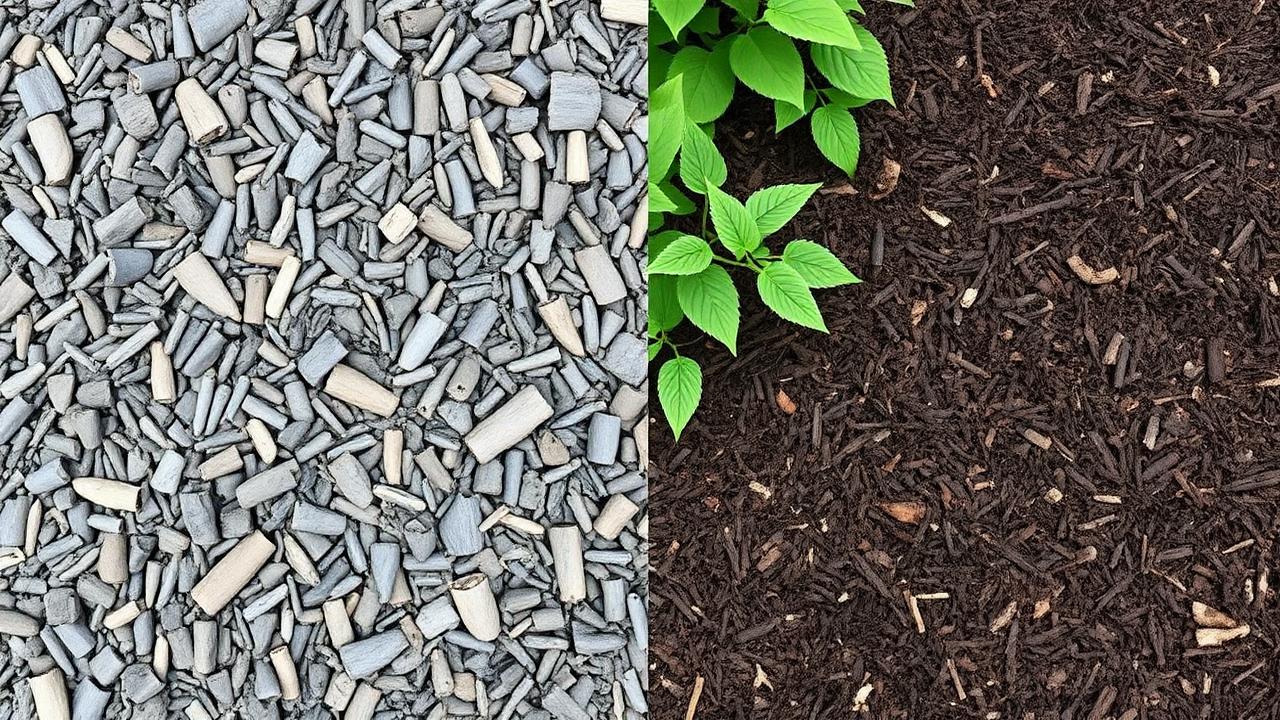
Most homeowners replace mulch every year because it 'looks tired.' That's a $400 mistake. Mulch breaks down by 30–50% per season, meaning a 3-inch spring install is down to ~1.5 inches by next spring — a top-up, not a replacement.
Top up vs replace
- Top up: add 1–1.5 inches of fresh mulch annually to bring depth back to 3 inches
- Replace: remove and re-mulch from scratch — only every 3–5 years, or when you have a fungus or compaction issue
When to fully replace
- Slime mold or persistent fungal growth
- Mulch is compacted into a water-shedding crust
- You're changing mulch type and don't want the old layer underneath
- Years of buildup have you above 4 inches total
When to top up
Almost every other case. Rake the existing mulch to fluff it up, pull any weeds, then add 1–1.5 inches of fresh material. The old mulch underneath continues to break down and feed soil.
Annual cost difference
1,200 sq ft of beds. Full replace: 11 yd³ × $40 = $440. Top up at 1.5 inches: 5.5 yd³ × $40 = $220. Saved every single year.
When to fluff without adding
If your mulch is fading but the depth is still 2.5–3 inches, just rake it to expose fresh undertones. Free instant refresh.
Calculate just the top-up amount — set depth to 1.5" and you'll see the smaller order.
Open the Mulch CalculatorBlack-dyed mulch refresh
Dyed mulches fade faster than the wood breaks down. You may need to refresh the surface color annually even when depth is fine. A light 0.5–1" top dressing fixes the look without overdoing depth.
Get more guidance like this in your inbox
Weekly emergency-fund tactics, milestone checklists, and the next article — delivered free.
Order the right amount of mulch
Get exact cubic yards, bag counts, and a bulk-vs-bagged price comparison for any garden bed — free with our Mulch Calculator.
Open the Mulch Calculator