How to Measure for a Fence: The Step-by-Step Method
Exactly how to measure your yard for a fence — corners, gates, slopes — to get an accurate estimate the first time without ordering twice.
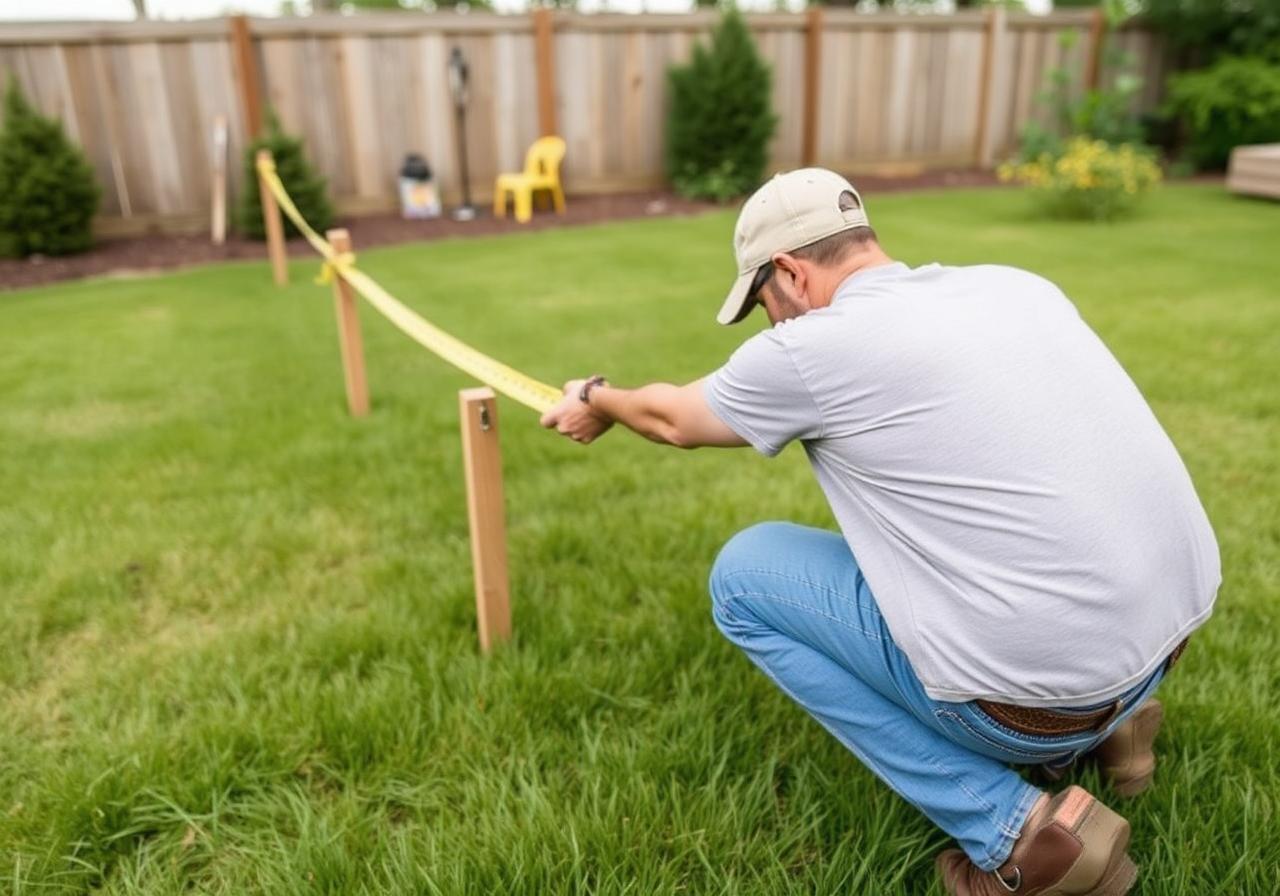
Bad measurements are the #1 reason fence projects come in over budget. The fix takes an afternoon, a long tape measure, and some stakes. Do this before you talk to contractors or run the calculator.
What you need
- 100-ft tape measure (or open-reel surveyor's tape)
- 12–20 wooden stakes
- Hammer
- String line (mason's line) for straight runs
- Notepad — sketch your yard from above and label every measurement
Step 1: Find your property lines
Don't guess. Use your plat survey if you have one, look for survey pins at the corners (small metal stakes), or hire a surveyor for $400–$800. Building 1 foot inside the line is fine; building on the line risks disputes.
Step 2: Stake every corner
Drive a stake at each corner of your planned fence run. Include any direction changes — every corner becomes a corner post in your final estimate.
Step 3: Measure each straight run
Stretch the tape from stake to stake. Write the number on your sketch. Don't sum runs in your head — write each one separately and add them up at the end.
Once you have linear feet, the calculator handles the rest — post counts, concrete, materials, and installed cost.
Open the Fence Cost EstimatorStep 4: Mark gate locations
Decide gate locations now. Each gate adds a post and modest hardware cost. Standard pedestrian gates are 4 ft wide; driveway gates 10–12 ft. Stake both sides of each gate.
Step 5: Handle slopes
If your yard slopes more than 6 inches per 10 feet, you have a decision: stepped panels (each panel level, with steps between) or racked panels (panels follow the slope). Stepped costs less and looks more formal; racked looks more natural. Either way, your linear footage is the same — the math works.
Common measurement mistakes
- Measuring along the ground on a slope instead of horizontally (overestimates run length)
- Forgetting return sides (most yards need fence on three sides, not just the back)
- Counting the house wall as 'fence' — it isn't; subtract that length
- Not adding gate width to the linear feet — gates ARE fence
Get more guidance like this in your inbox
Weekly emergency-fund tactics, milestone checklists, and the next article — delivered free.
Price your fence in seconds
Get exact post counts, concrete bags, materials, and installed cost for wood, vinyl, chain-link, or aluminum — free with our Fence Cost Estimator.
Open the Fence Cost Estimator