HVAC Maintenance Schedule (What to DIY, What to Hire)
The HVAC tasks a homeowner should do monthly, and the annual pro service that pays for itself.
Maintaining your home's heating, ventilation, and air conditioning (HVAC) system is crucial for comfort, energy efficiency, and preventing costly repairs. While some tasks are simple enough for any homeowner to handle, others require the expertise of a certified professional. Understanding this distinction not only saves money but also ensures your system operates safely and effectively throughout the year. This guide outlines a practical HVAC maintenance schedule, detailing what you can do yourself and when to call in the pros.
Understand Your HVAC System's Components
Before diving into maintenance, it helps to know the basic components of your HVAC system. A typical setup includes an outdoor unit (condenser for AC, heat pump for heating and cooling), an indoor unit (furnace or air handler), and ductwork. The indoor unit houses the evaporator coil and a blower fan, which circulates air through your home. Understanding these parts helps you identify areas needing attention and communicate effectively with technicians.
Your thermostat acts as the control center, regulating temperature and fan operation. Filters are critical for air quality and system efficiency, located in the return air duct or within the air handler itself. Knowing where these components are located and their general function demystifies the maintenance process, making it easier to follow a consistent schedule and troubleshoot minor issues.
Monthly DIY: Filter Replacement and Thermostat Checks
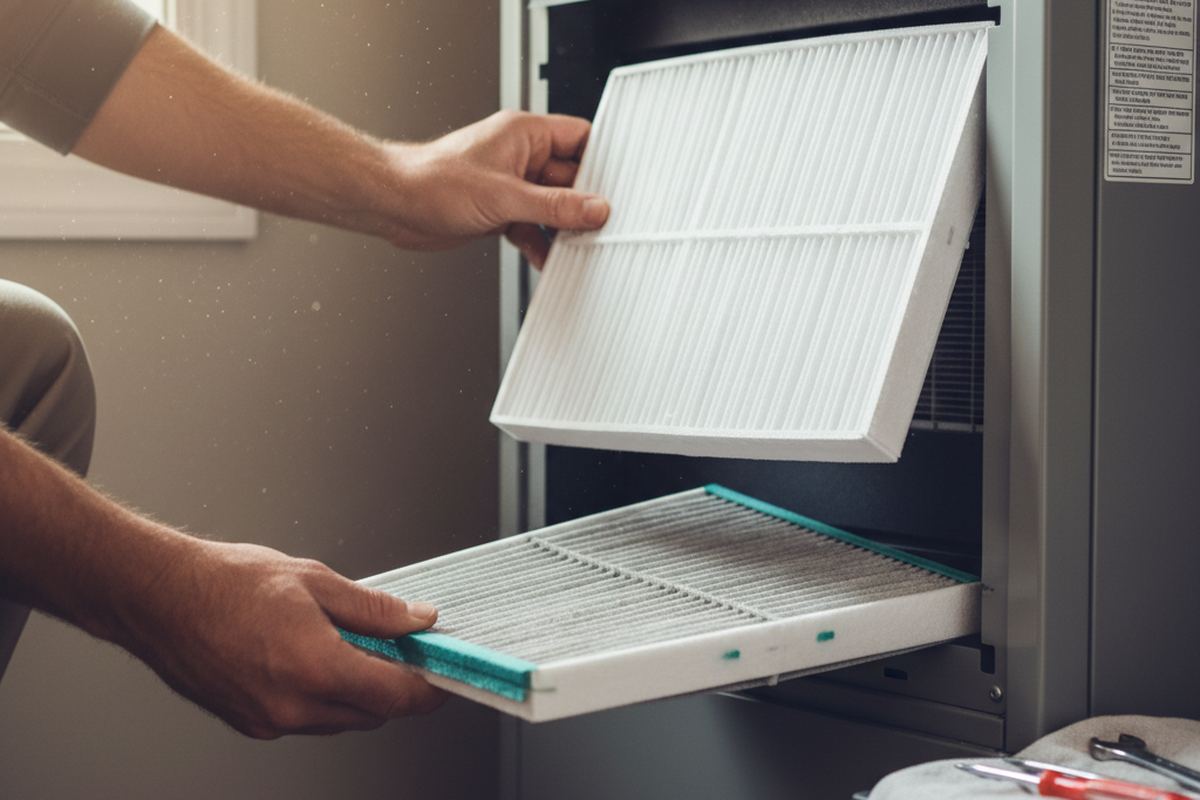
The most frequent and impactful DIY task is replacing or cleaning your HVAC air filter. A dirty filter restricts airflow, forcing your system to work harder, which increases energy consumption and can lead to premature wear. For most homes, especially those with pets or allergy sufferers, checking filters monthly and replacing them every 1 to 3 months is a good practice. High-efficiency filters (MERV 11-13) capture more particles but may require more frequent changes.
Regularly check your thermostat settings to ensure they align with your comfort and energy-saving goals. For smart thermostats, verify schedules and remote access are functioning correctly. Consider bumping up your AC thermostat by a few degrees in summer and lowering your heat in winter when you're away from home. This simple habit, paired with filter changes, significantly contributes to system efficiency and longevity.
Quarterly DIY: Clearing Debris and Inspecting Vents
Every three months, take some time to inspect the outdoor condenser unit. Clear away any leaves, grass clippings, or other debris that may have accumulated around its base and on the fins. Ensure there's at least two feet of clear space around the unit to allow for proper airflow. This prevents the unit from overheating and maintains its efficiency.
Indoors, check all supply and return air vents for obstructions. Make sure furniture, curtains, or rugs aren't blocking airflow. Dusting vents regularly also helps improve indoor air quality and ensures an even distribution of conditioned air throughout your home. A clear path for air movement is vital for your HVAC system to operate effectively.
See what to set aside every month for home maintenance — with the 1% and $1/sq ft rules and age adjustments.
Open the Home Maintenance Budget CalculatorAnnual Professional Service: The Spring AC Tune-Up
Before the summer heat arrives, typically in spring, schedule a professional air conditioning tune-up. A certified technician will inspect electrical connections, refrigerant levels, and evaporator and condenser coils. They will also lubricate moving parts, check the condensate drain for clogs, and ensure the thermostat is calibrated correctly. This comprehensive check helps prevent breakdowns during peak demand.
A professional AC tune-up, which might cost between $100 and $200, often pays for itself through reduced energy bills and extended equipment life. For example, a well-maintained AC unit can operate 5-15% more efficiently than one that is neglected. Identifying minor issues early can prevent them from escalating into expensive repairs, potentially saving hundreds or even thousands of dollars.
Annual Professional Service: The Fall Furnace Inspection
Similarly, before the cold weather sets in, usually in the fall, schedule a professional furnace or heating system inspection. A technician will check the heat exchanger for cracks (a potential carbon monoxide hazard), test ignition and safety controls, and clean the burner assembly. They will also inspect the flue system for blockages and test for proper gas pressure.
This annual heating inspection is critical for both safety and efficiency. Carbon monoxide leaks are a serious concern, and a professional can detect and address these risks. The cost for a furnace tune-up is comparable to an AC tune-up, typically ranging from $100 to $200, and provides similar benefits in terms of energy savings and preventing unexpected failures during winter.
Consider a Maintenance Plan for Added Value
Many HVAC companies offer annual maintenance plans that include both spring AC and fall furnace tune-ups, often at a discounted rate compared to scheduling them separately. These plans frequently include priority service, discounts on repairs, and waived diagnostic fees. For homeowners who prefer a hands-off approach, these plans can provide peace of mind and ensure consistent professional care.
The cost of a maintenance plan can vary, but typically ranges from $150 to $350 per year for a basic package. When evaluating a plan, consider the included services, the frequency of visits, and any additional benefits. For example, if a plan includes a 15% discount on parts and labor, it could significantly reduce the out-of-pocket cost of any necessary repairs that arise.
The bottom line
Adhering to a consistent HVAC maintenance schedule, combining your DIY efforts with annual professional tune-ups, protects your investment and ensures a comfortable home environment. This proactive approach not only extends the lifespan of your system but also optimizes its energy efficiency, leading to tangible savings on your utility bills. Prioritize these tasks to keep your home's climate control running smoothly year-round.
Get more guidance like this in your inbox
Weekly emergency-fund tactics, milestone checklists, and the next article — delivered free.
Run your own number
Get a personalized emergency fund target based on your income, expenses, and job stability.
Open the calculator