Getting Roof Replacement Covered by Insurance in 2026
The claim process, adjuster tips, and depreciation vs replacement cost policies that decide your out-of-pocket.
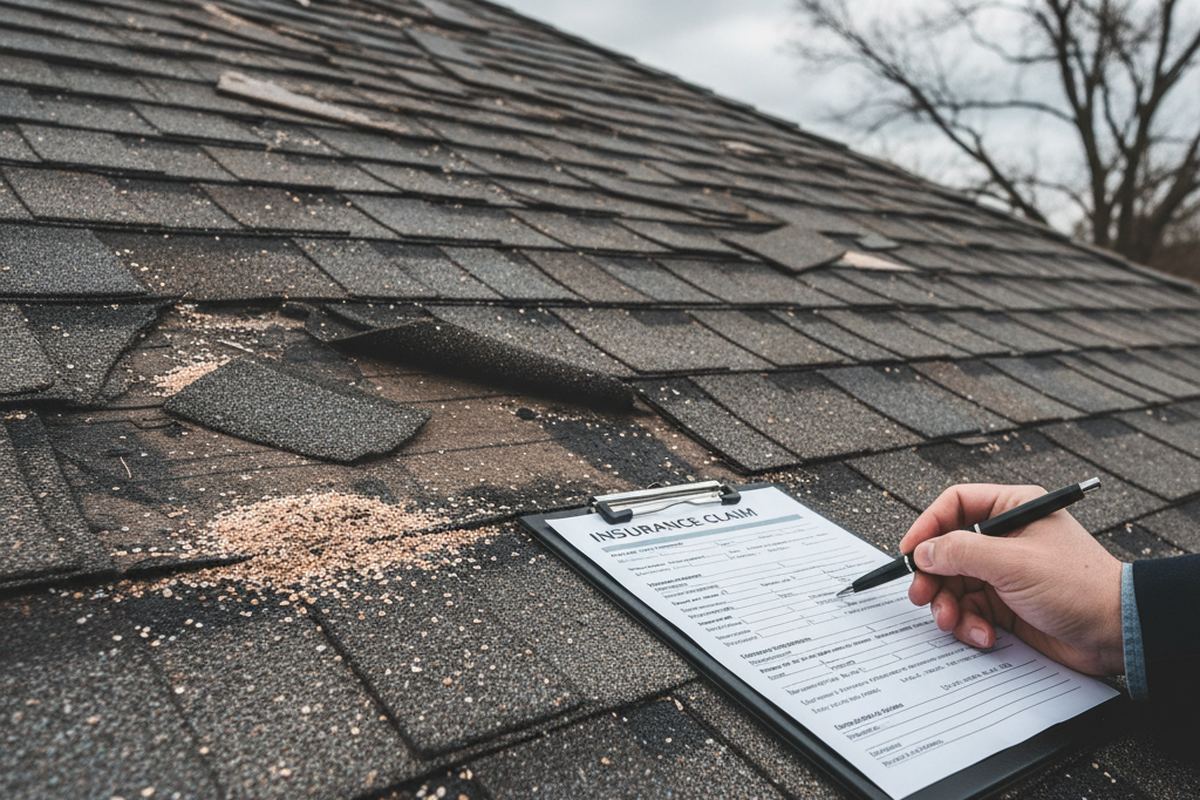
Planning a roof replacement can be a significant undertaking, both in terms of logistics and cost. For many homeowners, insurance coverage plays a crucial role in making this project financially feasible. Understanding the nuances of your homeowner's policy, especially regarding roof damage and replacement, is essential to maximize your claim. This guide will walk you through the process of navigating insurance claims for roof replacement in 2026, helping you understand what to expect and how to prepare.
Understanding Your Homeowner's Policy
Before any damage occurs, familiarize yourself with the specifics of your homeowner's insurance policy. Pay close attention to sections detailing roof coverage, perils covered, and exclusions. Most standard policies cover damage from sudden, accidental events like windstorms, hail, or falling trees. However, they typically exclude damage due to neglect, wear and tear, or faulty installation.
Crucially, identify whether your policy offers Actual Cash Value (ACV) or Replacement Cost Value (RCV) coverage for your roof. An ACV policy will pay out the depreciated value of your roof, considering its age and condition, which means you'll cover a larger portion of the replacement cost out-of-pocket. An RCV policy, on the other hand, aims to cover the cost to replace your roof with new materials of similar kind and quality, often in two payments: an initial ACV payment and a final payment once repairs are complete.
Documenting Damage and Initiating a Claim
Once you discover roof damage that you believe is covered by your policy, the first step is to thoroughly document it. Take clear, well-lit photographs and videos from multiple angles, showing the extent of the damage, any debris, and the surrounding area. Note the date and time the damage occurred, if known, and any contributing factors like severe weather.
After documentation, contact your insurance provider promptly to file a claim. Many insurers offer online portals, mobile apps, or dedicated phone lines for this purpose. Be prepared to provide your policy number, the date of loss, and a brief description of the damage. The sooner you report the damage, the better, as delays can sometimes complicate the claims process.
Navigating the Adjuster's Inspection
Your insurance company will assign an adjuster to inspect the damage and determine the scope of repairs or replacement. It's advisable to be present during this inspection. Provide the adjuster with your documentation, answer their questions accurately, and point out all areas of concern. A knowledgeable contractor can also be present to offer their professional assessment.
The adjuster will assess the damage, measure the roof, and estimate the cost of repairs or replacement. They will consider factors such as the age of the roof, the type of materials, and the cause of the damage. Their report will form the basis of your claim settlement, so clear communication and thorough documentation are vital during this stage.
Estimate roof replacement cost by square footage, pitch, and material — get a realistic 2026 number in under a minute.
Open the Roof Replacement CalculatorGetting Contractor Estimates
Before agreeing to any settlement, obtain at least two to three detailed estimates from reputable, licensed roofing contractors. These estimates should clearly itemize materials, labor, and any other costs associated with the roof replacement. Ensure the estimates specify the type of roofing material, such as asphalt shingles, metal, or tile, consistent with your existing roof or an agreed-upon upgrade.
Compare these estimates with the adjuster's assessment. If there's a significant discrepancy, you may need to discuss this with your insurance company. A detailed contractor estimate can provide leverage in negotiations, especially if it highlights additional damage or necessary work that the adjuster might have overlooked.
Understanding Depreciation and Payouts
If you have an ACV policy, the initial payout will reflect the depreciated value of your roof. This means the insurer subtracts an amount for wear and tear based on the roof's age and expected lifespan. For instance, a 15-year-old asphalt shingle roof with an expected 20-year lifespan might only receive 25% of its replacement cost initially. You will be responsible for the remaining balance.
With an RCV policy, the initial payment will also be based on the actual cash value. However, once the roof replacement is completed and you submit proof of payment to your contractor, the insurance company will issue a second payment for the depreciation amount, up to the policy limit. This effectively covers the full cost of replacement, minus your deductible, providing more comprehensive coverage.
Navigating Potential Disputes and Appeals
Occasionally, your insurance company might deny your claim or offer a settlement that you believe is insufficient. If this occurs, review the denial letter carefully to understand the stated reasons. Gather any additional documentation, contractor reports, or expert opinions that support your claim.
You have the right to appeal the decision. Start by formally requesting a re-evaluation from your insurer, providing all supporting evidence. If an internal appeal is unsuccessful, you might consider contacting your state's Department of Insurance or, in some cases, seeking legal counsel specializing in insurance claims. Persistence and thorough documentation are key in these situations.
Finalizing Your Claim and Project
Once an agreement is reached and funds are disbursed, you can proceed with your roof replacement. Ensure your chosen contractor is licensed, insured, and has a strong track record. Keep all receipts and invoices related to the project. These documents are crucial for receiving the final depreciation payout on an RCV policy and for your records.
After the project is complete, conduct a final inspection with your contractor to ensure all work meets quality standards and the terms of your agreement. Submit any outstanding documentation to your insurance company promptly to finalize your claim and receive any remaining payments. This careful approach helps ensure a smooth process from damage to a new roof.
The bottom line
Navigating an insurance claim for roof replacement requires attention to detail and an understanding of your policy. By thoroughly documenting damage, understanding the difference between ACV and RCV, and effectively communicating with your insurer and contractors, you can significantly improve your chances of a successful claim. Proactive preparation can help minimize out-of-pocket expenses and ensure your home remains protected.
Get more guidance like this in your inbox
Weekly emergency-fund tactics, milestone checklists, and the next article — delivered free.
Run your own number
Get a personalized emergency fund target based on your income, expenses, and job stability.
Open the calculator