Interior vs Exterior Paint: Why You Can't Substitute
They look similar on the shelf, but the chemistry is completely different. Here's what changes, and what happens if you swap them.
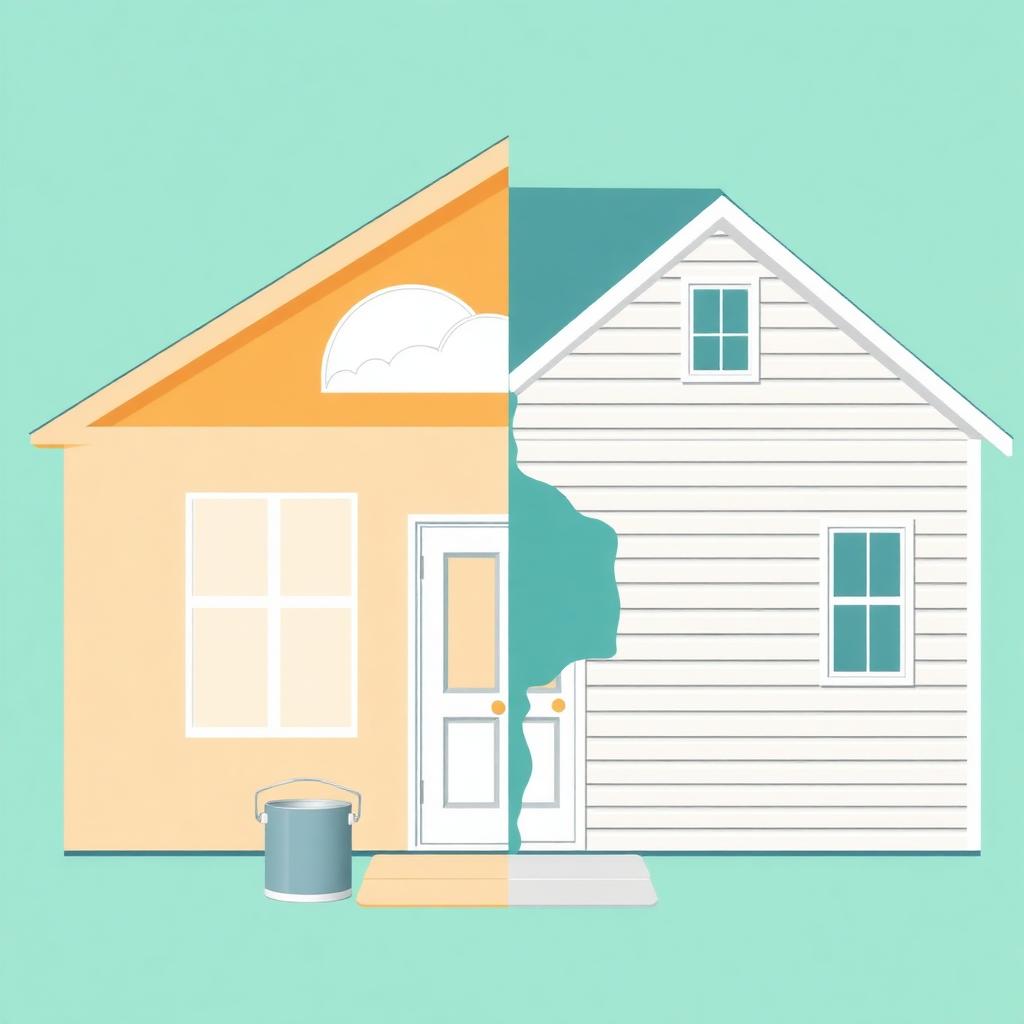
It's tempting to grab a leftover gallon of interior paint for a shed or use the more durable exterior paint inside. Both are mistakes. The two formulas are engineered for completely different environments.
What makes exterior paint different
- UV inhibitors that prevent color fade in direct sunlight
- Mildewcides and fungicides built into the resin
- Flexible binders that expand and contract with temperature
- Higher concentration of acrylic resin for water resistance
- Stronger off-gassing as it cures (don't use inside)
What makes interior paint different
- Lower VOCs for indoor air quality
- Less flexible (interior walls don't move much)
- Better scrubbability for fingerprints and stains
- More refined finish at higher sheens (semi-gloss, satin)
- Faster drying without weather concerns
What happens if you use interior outside?
Within a year you'll see chalking, peeling, mildew growth, and color fade. The investment is gone — you'll have to power-wash, scrape, prime, and repaint.
What happens if you use exterior inside?
It works fine technically, but the VOC off-gassing is significantly higher and the finish is less refined. There's also no cost advantage — exterior paint costs more, not less.
Switch the project type toggle in the calculator to see correct gallons + pricing for interior or exterior.
Open the Paint CalculatorHybrid 'interior/exterior' paint
Marketed for porches, garages, and sunrooms. Real-world: it's compromised at both jobs. Use a real interior paint inside, real exterior outside, and skip the hybrid.
Get more guidance like this in your inbox
Weekly emergency-fund tactics, milestone checklists, and the next article — delivered free.
Estimate your paint project in seconds
Get exact gallons, primer, and total project cost — interior or exterior — with our free Paint Calculator.
Open the Paint Calculator