Irrigation System Cost: Is It Worth It in 2026?
The 2026 cost of an irrigation system and where it pays back.
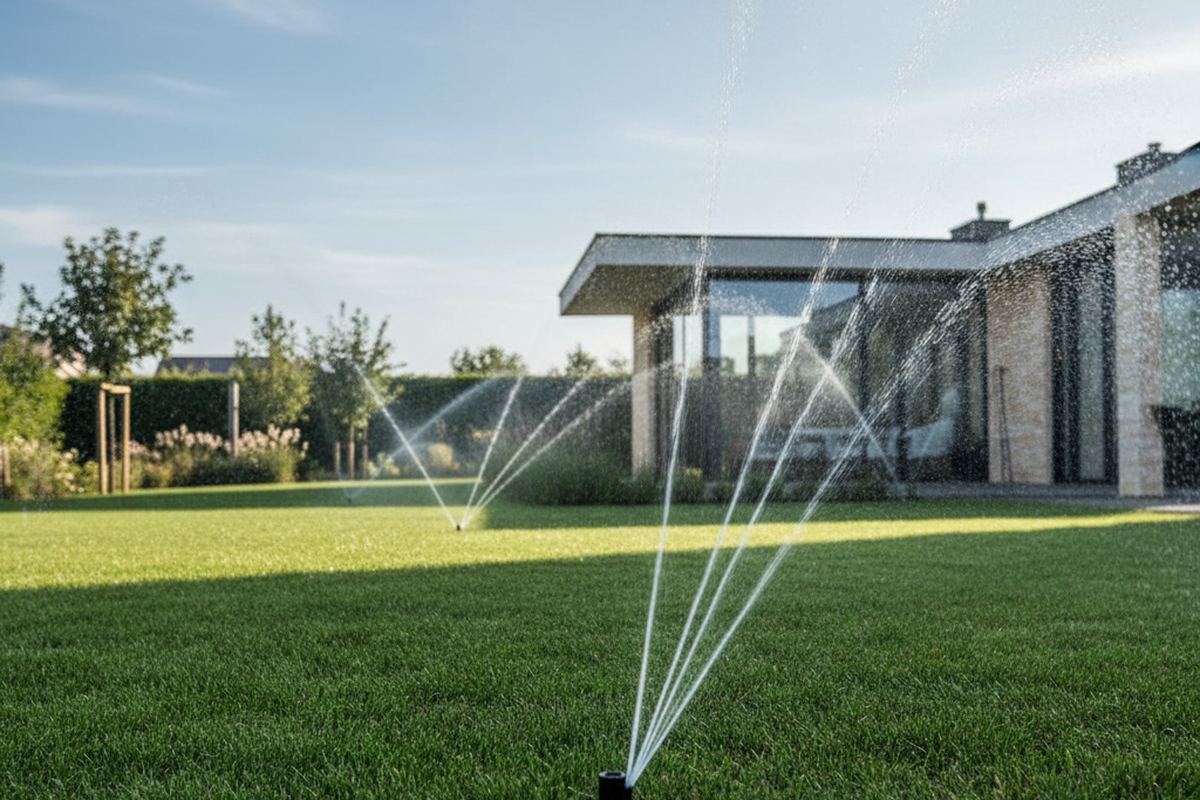
Investing in a home irrigation system can significantly impact both your landscape's health and your wallet. For homeowners planning multi-phase projects, understanding the upfront costs and long-term benefits is crucial. This guide breaks down the financial aspects of installing an irrigation system in 2026, helping you determine if it's a worthwhile investment for your property. We'll explore various factors that influence pricing and how these systems can contribute to overall savings and property value.
Understanding the Upfront Investment for 2026
The initial cost of an irrigation system in 2026 can vary widely, typically ranging from $2,500 to $8,000 for an average residential property. This range accounts for factors like yard size, system complexity, and the type of components chosen. Larger, more intricate landscapes with multiple zones and specialized sprinkler heads will naturally command higher prices, sometimes exceeding $10,000.
Breaking down the components, professional installation usually accounts for 40% to 60% of the total cost. The remaining portion covers materials such as controllers, valves, piping, sprinkler heads, and sensors. For example, a 1/4-acre property might incur material costs of $1,200-$2,500 and labor costs of $1,500-$4,000, bringing the total to about $2,700-$6,500 for a standard system.
Factors Influencing Your Irrigation System's Price
Several key elements dictate the final price tag of your irrigation system. The size and layout of your yard are primary drivers; larger or irregularly shaped properties require more piping, sprinkler heads, and zones. The type of soil also plays a role, as certain soil conditions can make trenching more labor-intensive.
Beyond size, the specific features and technology you select will impact costs. Basic systems use standard spray heads and a simple timer. More advanced options include drip irrigation for specific planting beds, smart controllers that adjust watering schedules based on local weather data, and rain sensors that prevent unnecessary watering. These upgrades, while increasing initial outlay, often lead to greater efficiency and water savings over time.
- Yard size and complexity (number of zones)
- Type of sprinkler heads (spray, rotor, drip)
- Controller technology (standard vs. smart/weather-based)
- Inclusion of rain, soil moisture, or flow sensors
- Geographic location and local labor rates
- Permit requirements and associated fees
Long-Term Water Savings and Efficiency
One of the most compelling arguments for an irrigation system is its potential for significant water savings. Manually watering a lawn often leads to over or under-watering, and considerable waste due to evaporation or runoff. A well-designed automatic system delivers water precisely where and when it's needed, minimizing waste.
Homeowners can expect to reduce their outdoor water consumption by 30% to 50% compared to manual watering. With average water prices projected to continue rising, these savings can translate to hundreds of dollars annually. For example, if your current annual outdoor water bill is $400, a 40% reduction could save you $160 per year, leading to a payback period of 15 to 30 years based on a $2,500-$5,000 system cost.
Build a phased landscaping budget — hardscape, softscape, irrigation — that fits your yard.
Open the Landscaping Budget PlannerMaintenance Costs and Lifespan Expectations
Like any home system, irrigation requires ongoing maintenance to function optimally. Annual winterization (blowing out the lines to prevent freezing) and spring startup (checking for leaks, adjusting heads) are essential. These services typically cost $75 to $200 per year, depending on your location and system size. Neglecting maintenance can lead to costly repairs.
The lifespan of a properly maintained irrigation system can be 15 to 20 years or even longer for the main components. Sprinkler heads may need replacement every 5 to 10 years, and controllers every 10 to 15 years. Budgeting for these periodic replacements and routine checks ensures your system remains efficient and avoids unexpected major expenses.
Increased Property Value and Curb Appeal
A lush, healthy lawn and well-maintained landscaping significantly enhance a home's curb appeal, which is a major factor for potential buyers. An irrigation system ensures consistent, optimal watering, leading to a vibrant landscape that makes a strong first impression. This can be particularly valuable in competitive housing markets.
Beyond aesthetics, an irrigation system is often viewed as a desirable feature by homebuyers. It indicates a well-cared-for property and offers convenience. While difficult to quantify precisely, real estate experts suggest that excellent landscaping, supported by an irrigation system, can add 5% to 15% to a home's value, potentially offsetting a substantial portion of the initial installation cost.
Considering DIY vs. Professional Installation
While a DIY approach might seem appealing for cost savings, installing an irrigation system is complex. It involves understanding water pressure, pipe sizing, zone design, and trenching. Mistakes can lead to inefficient watering, leaks, or even damage to your yard and plumbing. DIY kits typically cost $500 to $2,000, but they often lack the durability and precision of professionally installed components.
Professional installers bring expertise in design, proper component selection, and efficient installation techniques. They can ensure optimal water distribution, comply with local codes, and offer warranties on their work. While more expensive upfront, a professional installation generally results in a more reliable, efficient, and longer-lasting system, avoiding potential headaches and costly repairs down the line.
The bottom line
Deciding whether an irrigation system is worth the investment in 2026 involves weighing upfront costs against long-term savings, convenience, and property value enhancement. For many homeowners, the benefits of water conservation, a healthier landscape, and increased curb appeal often justify the expense. Careful planning and understanding your specific needs will guide you to the right decision for your home.
Get more guidance like this in your inbox
Weekly emergency-fund tactics, milestone checklists, and the next article — delivered free.
Run your own number
Get a personalized emergency fund target based on your income, expenses, and job stability.
Open the calculator