The Kids' Garden Plan: Vegetables That Actually Grow
A garden plan built to keep kids engaged with fast-growing high-yield picks.
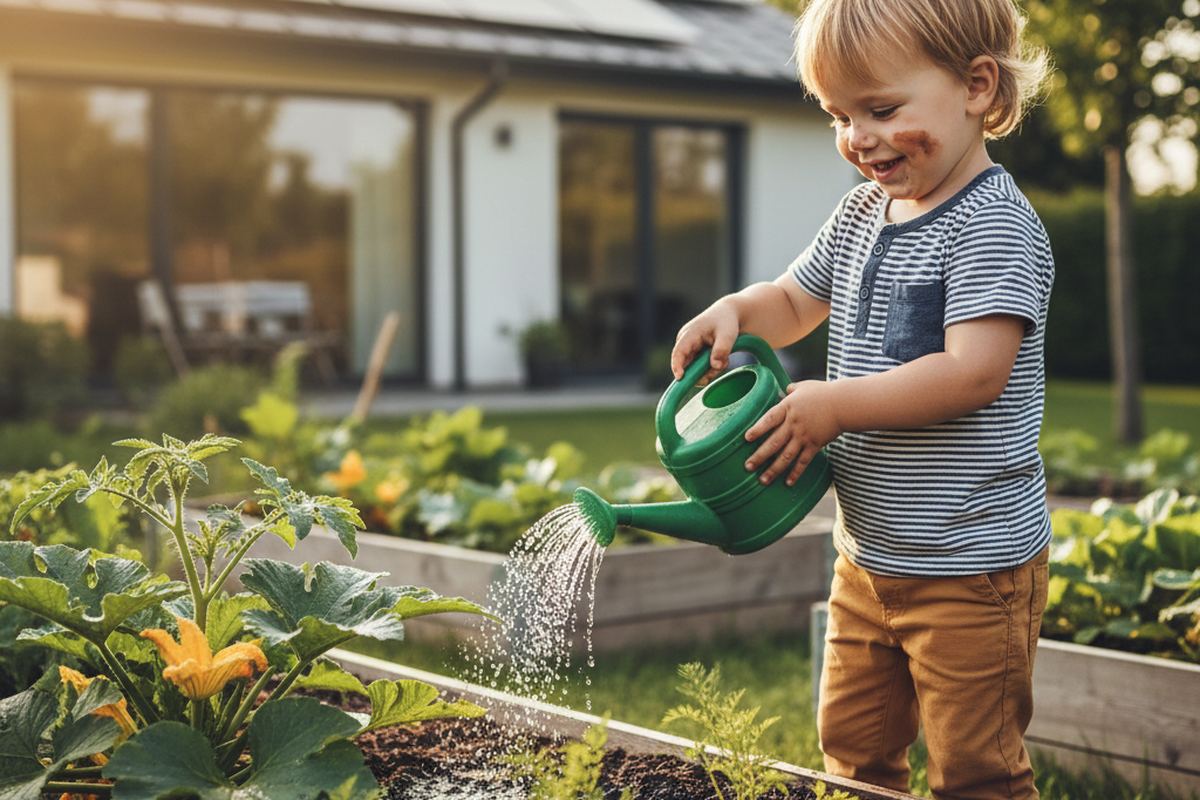
Introducing children to gardening can be a rewarding experience, fostering an appreciation for nature and healthy eating habits. However, maintaining their interest often hinges on visible progress and quick results. Choosing the right vegetables, those known for their rapid growth and straightforward cultivation, is key to keeping young gardeners engaged. This guide focuses on selections that offer a high chance of success, turning a backyard plot into an exciting learning adventure for the whole family.
Why Quick Growth Matters for Young Gardeners
Children thrive on immediate feedback and tangible results. Unlike adults, their patience for long-term projects can be limited, making slow-growing plants a potential deterrent to continued interest. Vegetables that sprout quickly and produce a harvest in a short timeframe provide the instant gratification needed to maintain enthusiasm and demonstrate the direct connection between effort and reward.
Opting for varieties that offer multiple harvests or continuous production also extends the fun, allowing kids to repeatedly experience the joy of picking their own food. This sustained engagement builds confidence and reinforces the positive aspects of gardening, turning it into a cherished family activity rather than a fleeting experiment. Focus on plants that show visible changes day-to-day or week-to-week.
Radishes: The Speedy Start
Radishes are perhaps the fastest-growing vegetable, often ready for harvest in as little as 20-30 days from planting. Their quick germination and rapid bulb development make them an ideal choice for impatient young gardeners. Varieties like 'Cherry Belle' or 'French Breakfast' are particularly well-suited due to their mild flavor and appealing color, encouraging kids to try their homegrown produce.
Plant radish seeds directly into well-drained soil, about half an inch deep and an inch apart. Consistent moisture is crucial for tender, crisp radishes; dryness can lead to a more pungent flavor and woody texture. Harvesting involves simply pulling the small bulbs from the ground once they reach an appropriate size, a task that kids find particularly satisfying due to the immediate gratification.
- Planting depth: 1/2 inch
- Spacing: 1 inch apart
- Harvest time: 20-30 days
Bush Beans: Easy to Grow, Abundant Yields
Bush beans are another excellent choice for a kids' garden, offering a relatively fast growth cycle and bountiful harvests. They typically mature in 50-60 days and do not require staking, simplifying the gardening process. Varieties such as 'Provider' or 'Contender' are known for their disease resistance and consistent production, providing a steady supply of fresh beans.
Plant bean seeds 1 inch deep and about 3-4 inches apart in rows, ensuring they receive plenty of sunlight. Once the plants begin to produce, encourage children to pick the beans regularly. This not only provides fresh vegetables for meals but also stimulates the plants to produce even more, keeping the harvest cycle going for several weeks.
- Planting depth: 1 inch
- Spacing: 3-4 inches apart
- Harvest time: 50-60 days
- No staking required
Plan a real garden — bed size, soil, mulch, and grocery-equivalent yield.
Open the Garden PlannerLeafy Greens: Continuous Harvests
Lettuce, spinach, and Swiss chard are fantastic for kids' gardens because many varieties can be harvested using the 'cut-and-come-again' method. This means you can snip off outer leaves as needed, and the plant will continue to produce new ones, extending the harvest period significantly. This continuous yield provides ongoing engagement and fresh greens for salads and sandwiches.
Sow seeds thinly in shallow furrows, about a quarter-inch deep, and thin seedlings to 6-12 inches apart once they establish. Most leafy greens are ready for their first harvest in 30-50 days. Ensure the soil remains consistently moist and provide some afternoon shade in hotter climates to prevent bolting, which causes the leaves to become bitter.
- Planting depth: 1/4 inch
- Spacing: 6-12 inches apart
- Harvest time: 30-50 days (first harvest)
- Cut-and-come-again harvesting
Cherry Tomatoes: Sweet Rewards
While not as fast as radishes, cherry tomatoes are a favorite among children due to their sweet flavor and snackable size. Many varieties, especially determinate types, produce a significant crop in about 60-75 days from transplanting. Varieties like 'Sungold' or 'Sweet Million' are highly productive and relatively easy to grow, providing a burst of flavor that kids love.
Start cherry tomato seeds indoors 6-8 weeks before the last frost, or purchase young plants. Transplant them into a sunny spot, providing stakes or cages for support as they grow. Regular watering and occasional feeding with a balanced fertilizer will encourage healthy growth and abundant fruit production, giving kids plenty of ripe, colorful tomatoes to pick.
Sunflowers: A Tall and Impressive Spectacle
While not a vegetable in the traditional sense, sunflowers are a must-have for a kids' garden. Their impressive height and large, vibrant blooms provide a sense of wonder and accomplishment. Many varieties, like 'Mammoth Grey Stripe', can grow several feet tall, with the opportunity to harvest edible seeds later in the season. They typically mature in 70-100 days.
Plant sunflower seeds directly into well-drained soil in a sunny location, about 1 inch deep and 6 inches apart. Once established, thin them to about 1-2 feet apart. Watching these giants grow day by day is an exciting experience for children. When the flower heads mature, kids can participate in harvesting and roasting the seeds, turning a beautiful plant into a tasty snack.
- Planting depth: 1 inch
- Spacing: 6 inches apart (thin to 1-2 feet)
- Harvest time: 70-100 days (for seeds)
- Edible seeds for roasting
The bottom line
Creating a successful garden with children involves selecting plants that deliver quick results and continuous engagement. By focusing on fast-growing vegetables and exciting plants like sunflowers, you can cultivate not only a healthy harvest but also a lifelong love for gardening. Begin planning your family's garden today, choosing varieties that promise both fun and delicious rewards.
Get more guidance like this in your inbox
Weekly emergency-fund tactics, milestone checklists, and the next article — delivered free.
Run your own number
Get a personalized emergency fund target based on your income, expenses, and job stability.
Open the calculator