Kitchen Island Cost: Size, Waterfall, and Seating Options
What a kitchen island actually costs, plus the upgrades — waterfall edge, seating overhang, prep sink.
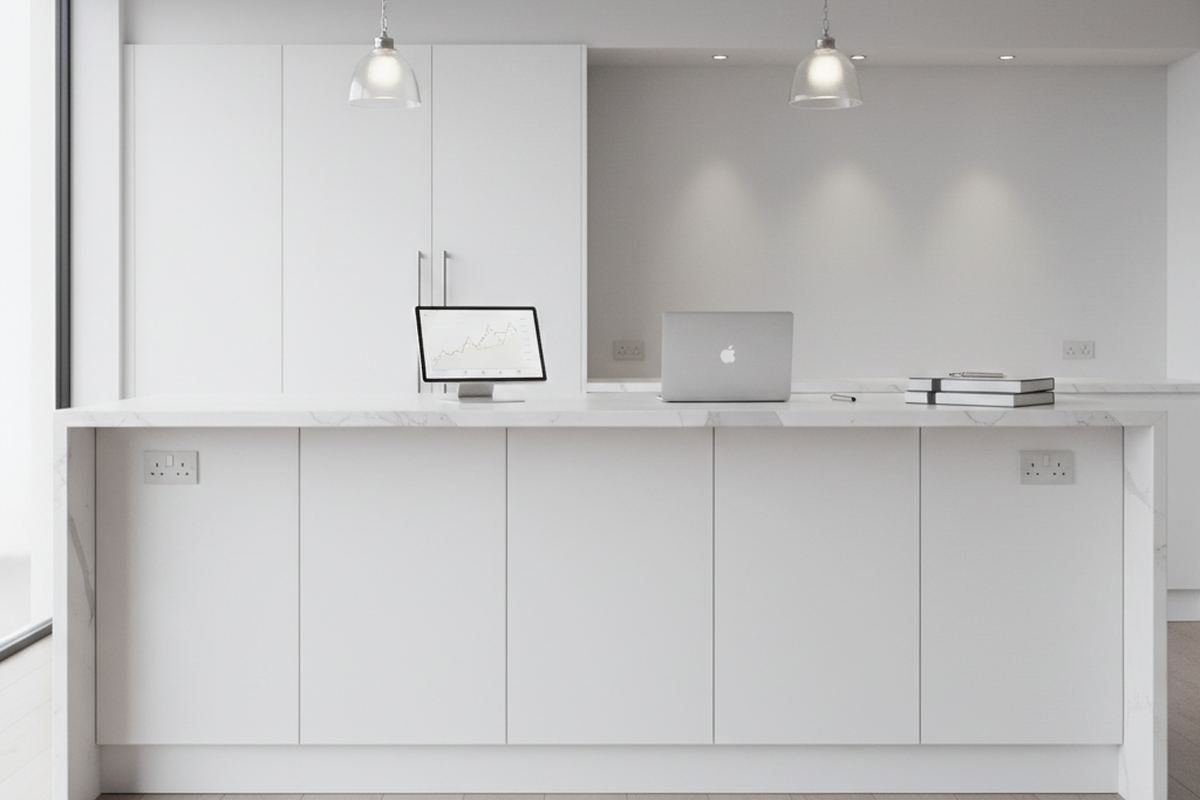
A kitchen island frequently serves as the focal point of a modern kitchen, offering both aesthetic appeal and practical functionality. However, the cost of adding or upgrading an island can vary significantly based on its size, materials, and specific features. Understanding these cost drivers is essential for budgeting effectively and making informed decisions for your kitchen renovation. We'll break down the typical expenses associated with kitchen islands, from basic structures to premium additions.
Understanding Core Island Costs
The base cost for a kitchen island primarily depends on its size, construction materials, and whether it's a pre-fabricated unit or a custom build. For a standard island measuring approximately 4 by 8 feet, you can expect to pay between $2,000 and $6,000 for the cabinetry and basic countertop materials like laminate or butcher block. Custom designs, which offer more flexibility in shape and storage, will typically start at the higher end of this range and can easily exceed $10,000 before premium finishes.
Installation costs are another significant factor, generally ranging from $500 to $2,000. This includes securing the island to the floor, ensuring it's level, and integrating it seamlessly with existing kitchen elements. If plumbing or electrical work is required for a sink or outlets, these costs will increase, potentially adding $1,000 to $3,000 depending on the complexity and local labor rates. Always obtain detailed quotes from licensed professionals.
Countertop Material Choices and Their Impact
The material you choose for your island countertop will heavily influence the overall cost. Laminate and butcher block are the most budget-friendly options, typically ranging from $20 to $60 per square foot. Mid-range choices include solid surface materials and quartz, which usually fall between $60 and $120 per square foot. These offer a good balance of durability and aesthetic appeal, with quartz being particularly popular for its resilience and wide range of designs.
Premium countertop materials, such as granite, marble, or high-end recycled glass, can cost anywhere from $75 to $250 per square foot, or even more for exotic slabs. While these materials add significant cost, they also provide a luxurious finish and can increase the resale value of your home. Consider the long-term durability and maintenance requirements of each material in addition to its upfront cost.
The Allure of a Waterfall Edge
A waterfall edge is a design feature where the countertop material extends vertically down the side of the island to the floor, creating a seamless and striking visual. This contemporary look adds a touch of sophistication but comes with an increased cost. The primary reason for the higher expense is the need for additional countertop material – often an entire extra slab for larger islands – and the specialized fabrication and installation required to create a perfect seam.
Adding a waterfall edge can increase your countertop material and fabrication costs by 20% to 50% compared to a standard edge. For a quartz or granite island, this could mean an additional $1,500 to $5,000, depending on the island's size and the material chosen. It’s a design choice that significantly impacts the budget, so weigh its aesthetic benefit against the added expense.
Build a real kitchen remodel budget by tier — cabinets, counters, appliances, labor, and contingency.
Open the Kitchen Remodel Budget PlannerIntegrating Seating Options
Designing an island with seating can transform it into a versatile hub for dining, entertaining, and homework. The simplest seating option involves extending the countertop to create an overhang, requiring an additional 12 to 18 inches of depth for comfortable legroom. This extension will increase your countertop material costs and might necessitate additional structural support, such as corbels or steel bracing, costing an extra $200 to $800.
More elaborate seating designs, such as built-in banquettes or multi-level islands with dedicated dining areas, will incur higher costs. These custom features require more complex cabinetry work and often additional countertop material, potentially adding $1,000 to $4,000 to the total. Factor in the cost of appropriate stools or chairs, which can range from $50 to $500 per seat.
Adding Functionality: Sinks and Appliances
Including a prep sink or a full-size sink in your island significantly enhances its utility, especially for avid cooks. A prep sink typically costs between $300 and $1,000 for the fixture itself, plus an additional $800 to $2,500 for plumbing installation, including new water lines and drainage. Ensure you have adequate space and consider how it will impact the layout and storage within the island.
For islands housing appliances like a dishwasher, wine fridge, or microwave drawer, you'll need to budget for both the appliance itself and the necessary electrical work and custom cabinetry. An appliance can range from $400 for a basic microwave drawer to over $2,000 for a high-end wine refrigerator. Electrical installation for these features typically adds $500 to $1,500, depending on existing wiring and local codes.
- Prep sink: $300-$1,000 (fixture) + $800-$2,500 (plumbing)
- Dishwasher: $500-$1,200 (appliance) + $300-$800 (installation)
- Wine fridge: $400-$2,500 (appliance) + $300-$800 (electrical)
- Microwave drawer: $400-$1,200 (appliance) + $200-$600 (electrical)
Storage and Specialty Features
Beyond basic cabinets, islands can incorporate a variety of specialized storage solutions that improve organization and accessibility. Pull-out waste bins, spice racks, and dedicated shelving for cookbooks or small appliances are popular additions. Each of these features adds to the cabinetry cost, typically ranging from $100 to $500 per specialty item. Consider your kitchen habits and what storage solutions would genuinely enhance your workflow.
Other specialty features include built-in power outlets with USB charging ports, which are highly convenient but require electrical work, adding $150 to $400. Integrated lighting, such as under-counter LED strips or toe-kick lighting, can enhance ambiance and visibility, costing an extra $200 to $700. These thoughtful additions contribute to a highly functional and personalized kitchen island.
Budgeting and Cost-Saving Strategies
To manage the cost of your kitchen island effectively, begin by establishing a clear budget and prioritizing your desired features. Opting for stock cabinetry instead of custom can save a significant amount, often 30% to 50%. Similarly, choosing a mid-range countertop material like quartz over high-end marble can keep expenses in check without sacrificing durability or aesthetics. Always get at least three detailed quotes from different contractors to compare pricing and ensure competitive bids.
Consider DIY options for elements like painting or installing hardware if you have the skills, but always leave complex tasks like plumbing and electrical work to licensed professionals. Phasing your remodel, if possible, can also help spread out the financial burden. For example, you might install a basic island now and upgrade the countertop or add a waterfall edge later when funds become available.
The bottom line
Careful planning and a clear understanding of the cost components are crucial for a successful kitchen island project. By considering your needs, exploring various material options, and obtaining detailed estimates, you can create an island that perfectly balances functionality, aesthetics, and your budget. An island can truly transform your kitchen, so invest wisely.
Get more guidance like this in your inbox
Weekly emergency-fund tactics, milestone checklists, and the next article — delivered free.
Run your own number
Get a personalized emergency fund target based on your income, expenses, and job stability.
Open the calculator