7 Kitchen Layout Mistakes That Kill Resale Value
The layout errors — bad triangles, wasted corners, tight aisles — that hurt resale.
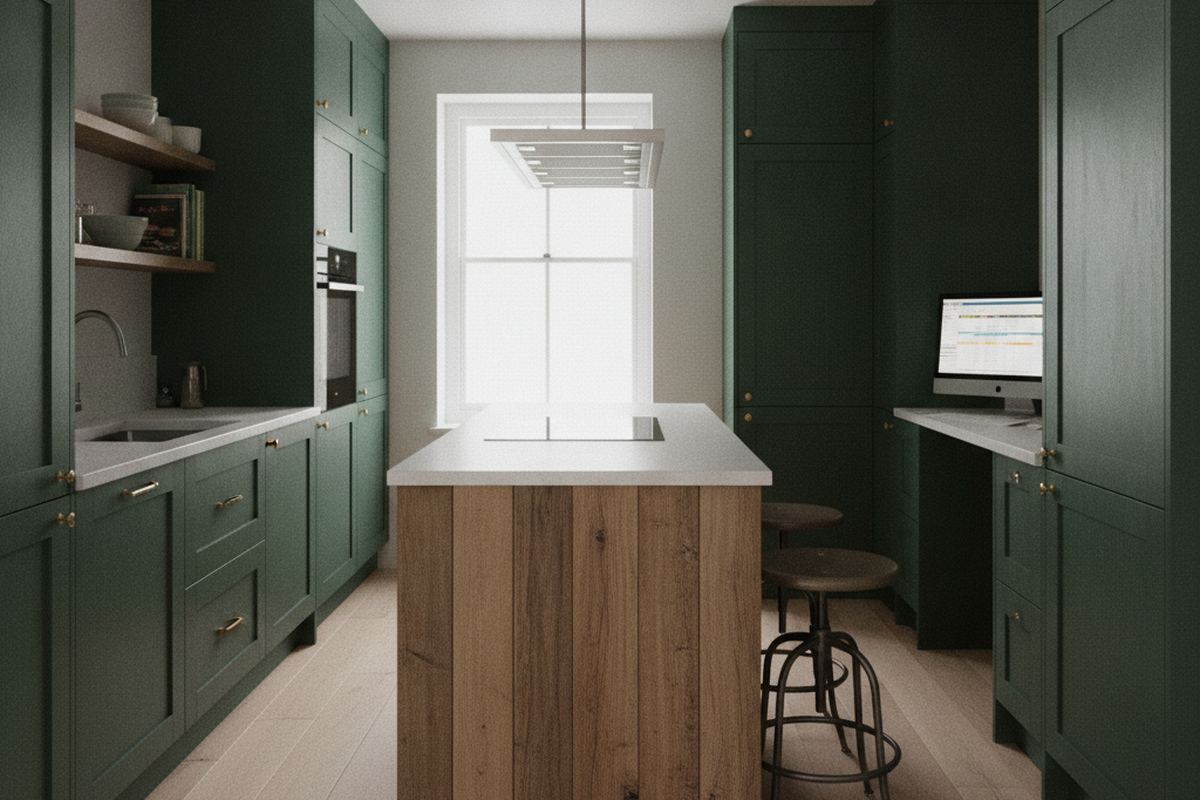
A kitchen remodel is a significant investment, often yielding substantial returns in both enjoyment and home value. However, certain layout choices can inadvertently detract from your home's appeal and even reduce its resale potential. Understanding these common design pitfalls before you begin can help you create a kitchen that is both functional for your family and attractive to future buyers. Avoiding these mistakes ensures your renovation enhances, rather than hinders, your property's market value.
Ignoring the Work Triangle Principle
The kitchen work triangle, connecting the refrigerator, sink, and stove, is a fundamental design concept for efficiency. An ideal triangle allows for smooth movement between these three primary workstations without obstacles. When this triangle is too large, it creates unnecessary steps, making cooking laborious. Conversely, a triangle that is too small leads to crowding, especially with multiple cooks.
For optimal flow, each leg of the triangle should ideally measure between 4 and 9 feet, with the total perimeter not exceeding 26 feet. Disrupting this balance by placing appliances too far apart or too close together compromises functionality and can be a significant turn-off for potential buyers who value an intuitive cooking space. Prioritize this principle early in your planning to ensure a practical layout.
Creating Dead-End Layouts or Bottlenecks
A kitchen should facilitate easy movement, not impede it. Dead-end layouts, where traffic flows into a corner with no clear exit, can make a kitchen feel cramped and inefficient. Similarly, bottlenecks, such as a narrow walkway between an island and a counter, create frustrating congestion points, especially during meal prep or when entertaining. These issues are particularly problematic in smaller kitchens but can affect larger spaces too.
Aim for clear pathways, with main aisles at least 36 to 42 inches wide for comfortable passage, and even wider, around 48 inches, in high-traffic areas or for multiple cooks. Consider how people will move through the space to access appliances, pantry, and dining areas. A well-designed kitchen encourages natural circulation, which is a key selling point.
Insufficient Counter Space or Poor Placement
Homeowners consistently rank ample counter space as a top kitchen priority. A lack of usable surface area for food preparation, small appliances, and serving can severely limit a kitchen's functionality. Even if counter space exists, its placement is crucial; a large expanse of counter far from the sink or stovetop is less useful than a smaller, strategically located section.
Ensure there's adequate landing space on both sides of the sink and stovetop, typically at least 18-24 inches, and a dedicated prep zone near the primary cooking area. Consider an island or peninsula to add valuable workspace. Buyers often look for practical areas to chop, mix, and plate, and a kitchen that fails to provide this will be seen as less desirable.
Build a real kitchen remodel budget by tier — cabinets, counters, appliances, labor, and contingency.
Open the Kitchen Remodel Budget PlannerPoor Appliance Sizing and Integration
Appliances are central to kitchen functionality, but their size and placement can dramatically impact the overall design. Installing oversized appliances in a small kitchen can overwhelm the space, making it feel claustrophobic. Conversely, undersized appliances in a large kitchen might appear out of place and fail to meet the demands of a busy household. Integrated appliances, while sleek, must be carefully considered for repair access.
Ensure appliances are sized appropriately for the kitchen's footprint and your household's needs. Also, consider how they open; a refrigerator door that blocks an aisle or an oven door that interferes with a dishwasher is a major usability flaw. Proper integration means appliances work seamlessly within the layout, not against it, enhancing both aesthetics and practicality.
Neglecting Storage and Pantry Needs
Storage is often an afterthought, but a kitchen lacking sufficient and well-organized storage can quickly become cluttered and dysfunctional. From pots and pans to pantry staples and small appliances, everything needs a designated home. Buyers are increasingly looking for smart storage solutions, such as deep drawers, pull-out shelves, and dedicated pantry space.
Assess your current storage needs and plan for additional capacity during your remodel. Incorporate a variety of storage types to accommodate different items. A walk-in pantry, if space allows, is a highly sought-after feature. Even a well-designed cabinet pantry can significantly boost a kitchen's appeal by providing efficient organization and reducing countertop clutter.
Inadequate Lighting Scheme
Lighting plays a critical role in both the aesthetics and functionality of a kitchen. A single overhead fixture often creates shadows and fails to illuminate work surfaces effectively, leading to a dim, uninviting atmosphere. Poor lighting can also make tasks like chopping vegetables unsafe and less enjoyable, detracting from the kitchen experience.
A layered lighting approach is essential. This includes ambient lighting (general room illumination), task lighting (under-cabinet lights for prep areas), and accent lighting (to highlight features). Ensure all work zones are brightly lit without glare. A well-lit kitchen feels larger, more welcoming, and is far more practical, significantly enhancing its perceived value.
Overlooking Ergonomics and Accessibility
A kitchen should be comfortable and accessible for everyone using it. Failing to consider ergonomic principles, such as appropriate counter heights or easy-to-reach storage, can lead to a kitchen that is frustrating to use daily. Similarly, neglecting accessibility for individuals with mobility challenges can limit a home's appeal to a broader market.
Think about counter heights that suit primary users, and consider features like pull-out shelves in lower cabinets to avoid bending. If planning for long-term residency or resale, incorporating universal design principles, such as wider doorways (at least 32 inches) or varied counter heights, can make the kitchen more user-friendly and broaden its appeal to a wider range of potential buyers.
The bottom line
Thoughtful planning is key to a successful kitchen remodel that enhances your home's value. By proactively avoiding these common layout mistakes, you can create a space that is not only beautiful and functional for your family but also highly attractive to future homeowners. A well-designed kitchen truly serves as the heart of the home, impacting daily life and long-term investment.
Get more guidance like this in your inbox
Weekly emergency-fund tactics, milestone checklists, and the next article — delivered free.
Run your own number
Get a personalized emergency fund target based on your income, expenses, and job stability.
Open the calculator