Why Every Kitchen Remodel Needs a 20% Contingency
The reasons kitchen remodels blow the budget, and the 20% contingency that saves the project.
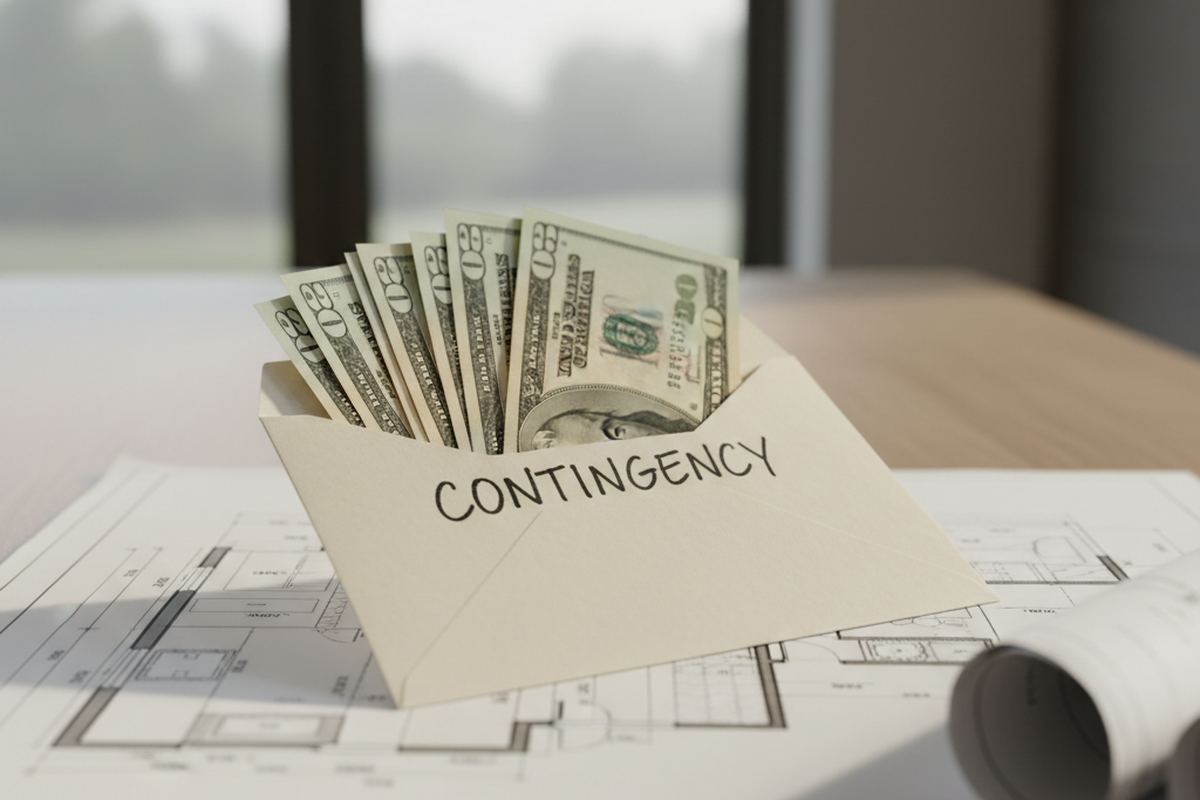
Planning a kitchen remodel is an exciting prospect, promising a refreshed space and enhanced functionality. However, even the most meticulously planned projects can encounter unforeseen expenses that threaten to derail budgets and timelines. A common pitfall is underestimating the true cost, leading to stress and compromises. This guide explains why allocating a contingency fund, specifically around 20% of your projected budget, is not just a suggestion but a critical component for a successful and less stressful kitchen renovation.
Understanding the Unpredictable Nature of Remodels
Kitchen remodels, by their very nature, involve working within existing structures. This often means uncovering hidden issues that were impossible to foresee during the initial planning stages. Problems like outdated electrical wiring, plumbing leaks, or unexpected structural deficiencies behind walls are common surprises. Addressing these issues is not optional; they are necessary to ensure safety and code compliance, and they add to the overall cost and timeline of your project.
For example, if you're replacing cabinets and discover significant water damage to the subfloor or wall studs, repairs could easily add hundreds or even thousands of dollars. These are typically not included in initial contractor bids, which are based on visible conditions. A contingency fund acts as a buffer, allowing you to address these essential repairs without dipping into funds allocated for finishes or appliances, thus preventing budget overruns on planned items.
The Impact of Supply Chain Volatility and Material Costs
The cost of building materials and appliances can fluctuate significantly due to factors like global supply chain disruptions, tariffs, and increased demand. Even with careful planning, the price of a specific tile, countertop material, or appliance might increase between the time you receive an initial quote and when you're ready to purchase. These changes, while sometimes small individually, can accumulate quickly across multiple items in a kitchen remodel.
Consider a scenario where your chosen quartz countertop material sees a 7% price hike before you place your order, and your desired refrigerator model goes on backorder, forcing you to select a more expensive alternative. These unforeseen increases, when combined, can easily consume 5-10% of your material budget. A 20% contingency ensures you have the flexibility to absorb these cost escalations without compromising on the quality or aesthetic of your desired kitchen.
Scope Creep: When Desires Expand During the Project
One of the most common reasons for budget overruns is what's known as 'scope creep.' As the project progresses, homeowners often see new possibilities or decide to upgrade certain elements. Perhaps you initially planned for standard lighting but now envision smart lighting solutions, or you decide to add a pot filler faucet after seeing one installed in a friend's kitchen. While these additions can enhance your enjoyment of the space, they come with a price.
These 'nice-to-haves' can quickly add up. For instance, upgrading from standard tile to a more intricate mosaic backsplash, or deciding to install custom pull-out shelves in cabinets instead of basic ones, can add hundreds to thousands of dollars. A contingency fund allows you to make these desirable upgrades without derailing your core budget or having to cut corners on other essential aspects of the remodel.
Build a real kitchen remodel budget by tier — cabinets, counters, appliances, labor, and contingency.
Open the Kitchen Remodel Budget PlannerLabor Costs and Unexpected Delays
Labor is a significant portion of any kitchen remodel budget. While contractors provide estimates for labor, unexpected issues can cause delays, which in turn can increase labor costs. For example, if a specialized part for an appliance is delayed, or if a structural issue requires additional time from skilled tradespeople, these extended hours need to be paid. Additionally, unforeseen complications during installation might require more intricate work than initially estimated.
Permit changes or inspections that require re-work can also extend the project timeline and increase labor expenses. A contingency helps cover these extended labor hours, ensuring that your project can continue smoothly without workers having to stop due to lack of funds. This helps maintain momentum and avoids further, more costly delays.
The 20% Rule: A Realistic Buffer
Industry experts and seasoned remodelers consistently recommend setting aside 15% to 20% of your total estimated project cost as a contingency fund. While 10% might seem sufficient for minor projects, the complexity and potential for hidden issues in a kitchen remodel warrant a larger buffer. This percentage accounts for both minor unexpected costs and potentially larger, less frequent surprises that can emerge.
For a kitchen remodel estimated at $40,000, a 20% contingency would be an additional $8,000. This might seem like a large sum upfront, but it provides crucial peace of mind. It means you are prepared for a range of issues, from a $500 plumbing repair to a $3,000 electrical upgrade, without having to compromise on your overall vision or go into debt.
How to Integrate Your Contingency Fund
It's crucial to treat your contingency fund as a separate, dedicated pool of money, not just an extension of your primary budget. Ideally, this money should be easily accessible but not commingled with funds for planned expenses. You might consider placing it in a separate savings account. This makes it clear how much is available for unexpected costs and helps prevent it from being inadvertently spent on non-essential items.
Communicate with your contractor about how unforeseen costs will be handled and approved. Establish a clear process for change orders and approvals for using contingency funds. By being prepared and having these funds readily available, you can make informed decisions quickly, keeping your project on track and reducing potential stress when the inevitable unexpected expense arises.
The bottom line
Incorporating a 20% contingency fund into your kitchen remodel budget is a proactive step that protects your investment and ensures a smoother renovation experience. It prepares you for the inevitable surprises, allows flexibility for upgrades, and mitigates the financial stress often associated with home improvements. Plan for the unexpected, and enjoy your beautiful new kitchen without budget worries.
Get more guidance like this in your inbox
Weekly emergency-fund tactics, milestone checklists, and the next article — delivered free.
Run your own number
Get a personalized emergency fund target based on your income, expenses, and job stability.
Open the calculator