Kitchen Remodel Timeline: What Every Week Actually Looks Like
The realistic 6–12 week timeline for a mid-range kitchen remodel, week by week.
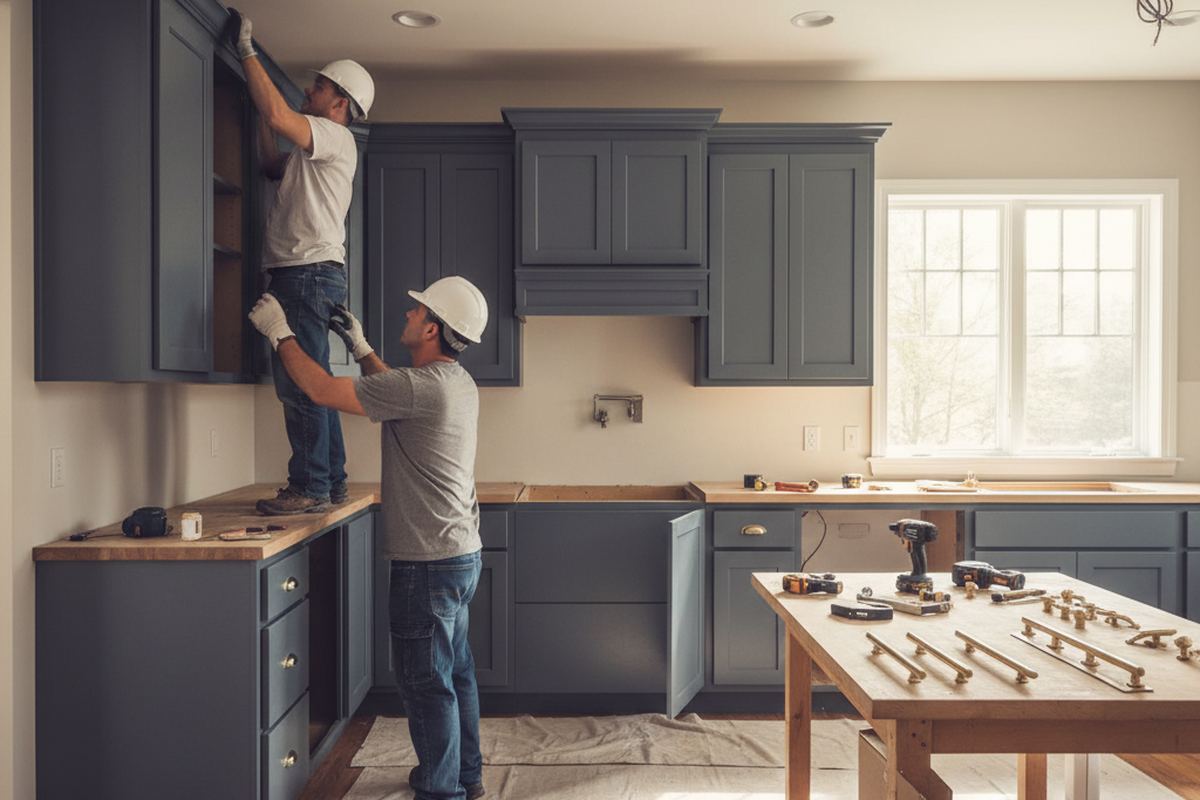
Embarking on a kitchen remodel is a significant undertaking, and understanding the timeline involved is crucial for managing expectations and budget. While many dream of a quick transformation, a realistic mid-range kitchen renovation typically spans 6 to 12 weeks from demolition to final touches. This guide breaks down what to expect week by week, helping you visualize the progression and plan effectively. Knowing these stages can help alleviate stress and ensure a smoother project.
Pre-Construction: Planning and Permitting (Weeks 1-4)
The initial phase of any successful kitchen remodel is dedicated to thorough planning and securing necessary approvals. This period involves finalizing your design with a contractor or designer, selecting all materials from cabinets to countertops, and obtaining bids. Expect to spend several weeks on these decisions, as changes once construction begins can be costly and delay the project significantly. This is also when your contractor will apply for permits, which can take anywhere from a few days to several weeks depending on your local municipality.
During this time, your contractor will create a detailed project schedule and order all long-lead items. Custom cabinetry, for example, can have lead times of 4-8 weeks, making early ordering essential. Plumbing fixtures, appliances, and certain tile selections can also require advance ordering. Having these materials ready before demolition minimizes downtime and keeps the project on track. Expect to be heavily involved in decision-making during this preparatory stage.
Demolition and Rough-Ins: The Unveiling (Weeks 5-6)
Once permits are secured and materials begin to arrive, demolition can commence. This is often the quickest and messiest phase, typically taking 3-5 days. Old cabinets, countertops, flooring, and sometimes walls are removed, stripping the kitchen down to its studs. Dust control measures will be critical during this stage to protect other areas of your home. It's advisable to set up a temporary kitchen elsewhere in your house.
Following demolition, the "rough-in" work begins. This involves plumbing, electrical, and HVAC professionals installing new lines and vents behind the walls and under the floor. Inspectors will need to approve these rough-ins before walls can be closed up, which can add a few days to the schedule. This stage is vital for ensuring all utilities are correctly placed for your new kitchen layout and meet current building codes.
Enclosing and Finishing Surfaces (Weeks 7-8)
With rough-ins complete and approved, insulation is installed, and new drywall or plaster is hung. This transforms the space from a construction zone back into a room. Taping, mudding, and sanding follow, creating smooth surfaces ready for paint. This phase typically takes 1-2 weeks, depending on the size of the kitchen and any complex architectural features.
After the walls are prepped, painting begins. Primer is applied, followed by two coats of your chosen color. This is also when new flooring, such as tile, hardwood, or luxury vinyl, is installed. If tiling, allow for drying and grouting time. Careful coordination between painters and flooring installers is key to avoid delays and ensure a clean finish.
Build a real kitchen remodel budget by tier — cabinets, counters, appliances, labor, and contingency.
Open the Kitchen Remodel Budget PlannerCabinetry and Countertop Installation (Weeks 9-10)
The installation of cabinets marks a significant milestone, as your kitchen truly begins to take shape. This process can take 3-7 days, depending on the complexity of the design and the number of cabinets. Once cabinets are in place, templates for countertops are made. Fabricating and installing custom countertops, especially stone like granite or quartz, typically takes 1-2 weeks after templating.
During this period, precise measurements are critical for countertop fabrication. While waiting for countertops, your contractor might install under-cabinet lighting or begin work on the backsplash. Ensure you have clear pathways for installers and protect your newly installed flooring and cabinets from damage.
Appliance Installation and Final Details (Week 11)
With countertops in, appliances can be delivered and installed. This includes your refrigerator, range, dishwasher, and microwave. Plumbers will connect sinks and faucets, while electricians will install light fixtures and outlets. This stage brings your kitchen closer to functionality and requires coordination among various trades.
The final details involve installing the backsplash, hardware on cabinets and drawers, and any decorative trim. Your contractor will also conduct a thorough cleanup of the space. This is when the kitchen truly transitions from a construction site to a functional, beautiful living area.
Punch List and Project Completion (Week 12)
The final week is dedicated to the "punch list." This is a walk-through with your contractor to identify any minor imperfections or items that need attention, such as paint touch-ups, adjustments to cabinet doors, or minor electrical issues. Addressing these small details ensures your complete satisfaction with the remodel.
Once the punch list is complete and all items are resolved, the final payment is made, and the project is officially closed out. You'll receive any necessary warranties and care instructions for your new materials and appliances. Enjoying your newly remodeled kitchen is the reward for careful planning and patience throughout the process.
The bottom line
A kitchen remodel is a complex project with many moving parts, but a clear understanding of the timeline can make the process less daunting. By preparing for each stage and maintaining open communication with your contractor, you can navigate the renovation with confidence. Remember that flexibility is key, as unforeseen issues can sometimes arise, but a well-planned schedule minimizes surprises.
Get more guidance like this in your inbox
Weekly emergency-fund tactics, milestone checklists, and the next article — delivered free.
Run your own number
Get a personalized emergency fund target based on your income, expenses, and job stability.
Open the calculator