Landscape Lighting: Cost, Payback, and DIY Options
The cost of landscape lighting and where LED DIY kits actually work.
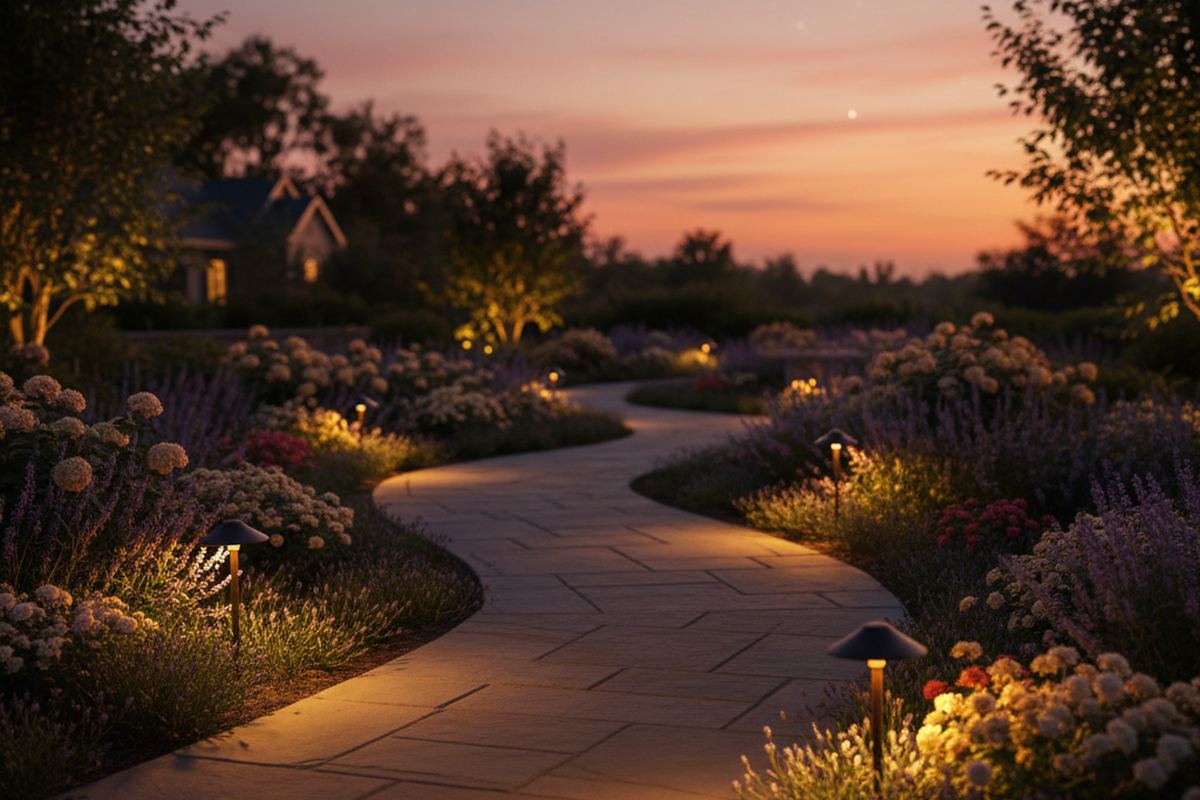
Thoughtful landscape lighting can significantly enhance your home's curb appeal, safety, and functionality after dusk. Beyond aesthetics, it's an investment that can increase property value and extend the usability of your outdoor spaces. Understanding the costs involved, potential return on investment, and the feasibility of various installation methods is crucial for any homeowner considering this upgrade. This guide will help you navigate the options, from professional installations to DIY kits, ensuring you make informed decisions for your multi-phase landscaping project.
Understanding Landscape Lighting Costs
The total cost for landscape lighting can vary widely, typically ranging from $2,000 to $6,000 for a medium-sized property with 10-20 fixtures. This range generally includes the cost of fixtures, transformers, wiring, and professional installation. High-end systems with advanced controls, premium materials like solid brass or copper, and more complex designs can push costs upwards of $10,000 or even $20,000 for extensive properties. The type of fixture, its quality, and the complexity of the wiring layout are major cost drivers.
When budgeting, consider that labor costs often represent a significant portion, sometimes 40-60% of the total project. Factors such as the terrain, existing landscaping, and the need for trenching can impact labor hours. While professional installation ensures optimal placement, proper wiring, and system longevity, it's essential to obtain multiple detailed quotes to compare services and pricing. Be sure to ask about warranties on both parts and labor.
Breaking Down Fixture and Component Costs
Individual fixture prices vary based on material, light output, and brand. Standard LED path lights or spotlights might cost $50-$150 each, while more specialized fixtures like well lights, underwater lights, or architectural wash lights can range from $150 to $400+. Transformers, which convert household voltage to a safer low voltage, typically cost $150-$500 depending on their wattage capacity and features like timers or smart controls. Wiring costs are relatively low per foot but add up for larger systems, usually $0.50-$2.00 per foot for direct burial cable.
Beyond the core components, consider accessories like dimmers, color-changing bulbs, or smart home integration modules. These add-ons can enhance usability and ambiance but will increase the overall budget. For instance, a smart lighting controller allowing app-based control and scheduling might add $100-$300 to the system. While these aren't always necessary for basic functionality, they can significantly improve the user experience and energy efficiency over time.
- Path Lights: $50 - $150
- Spotlights: $75 - $250
- Well Lights: $100 - $350
- Transformers: $150 - $500
- Low-Voltage Wire: $0.50 - $2.00 per foot
The Payback and Value of Landscape Lighting
Investing in landscape lighting offers several tangible benefits beyond aesthetics. From a safety perspective, well-lit pathways and entry points reduce the risk of trips and falls, deter potential intruders, and enhance overall security. From a property value standpoint, high-quality landscape lighting is often cited by real estate professionals as a desirable feature that can offer a strong return on investment, potentially recovering 50-100% of the initial cost at resale. It helps create a welcoming and luxurious impression, making a home more attractive to buyers.
Energy efficiency is another key payback factor, especially with LED technology. LEDs consume up to 80% less energy than traditional incandescent bulbs and have a significantly longer lifespan, often 25,000 to 50,000 hours. This translates to lower electricity bills and reduced bulb replacement costs over many years. While the upfront cost of LEDs is higher, the long-term savings on energy and maintenance make them a financially sound choice.
Build a phased landscaping budget — hardscape, softscape, irrigation — that fits your yard.
Open the Landscaping Budget PlannerProfessional Installation: When It's Worth It
For complex lighting designs, large properties, or when integrating with existing smart home systems, professional installation is often the best approach. Experienced installers possess the knowledge to design a system that highlights your home's best features, ensures proper voltage distribution, and adheres to electrical codes. They can also handle challenging terrain, conceal wiring effectively, and provide ongoing maintenance or troubleshooting. This level of expertise minimizes potential issues and maximizes the longevity and performance of your system.
A professional will typically conduct a site assessment, develop a detailed lighting plan, and select appropriate fixtures and transformers. They are also equipped to handle any necessary trenching and ensure waterproof connections, which are crucial for outdoor electrical systems. While the labor cost is an added expense, the peace of mind from a correctly installed, durable, and aesthetically pleasing system often outweighs the savings from a DIY attempt for intricate projects.
DIY Landscape Lighting: Opportunities and Limitations
For smaller areas or straightforward applications, DIY landscape lighting kits can be a cost-effective solution. These kits typically include a handful of low-voltage LED fixtures, a small transformer, and basic wiring, designed for easy, tool-free installation. They are ideal for illuminating a short pathway, a small garden bed, or highlighting a single feature. The primary benefit is the significant cost savings on labor, allowing homeowners to achieve a functional lighting setup for a few hundred dollars.
However, DIY options have limitations. They are generally not suitable for large-scale projects requiring extensive wiring, multiple zones, or precise light placement. The quality of components in DIY kits can also vary, potentially leading to shorter lifespans or less robust performance than professional-grade systems. While beneficial for basic needs, homeowners should be realistic about the aesthetic and functional outcomes compared to a custom-designed professional system.
Solar-Powered Landscape Lighting: A Niche Solution
Solar-powered landscape lights offer the ultimate in DIY simplicity and zero-energy consumption. Each fixture has a small solar panel that charges a battery during the day and automatically illuminates at night. They are very easy to install, requiring no wiring or electrical knowledge, and cost as little as $10-$30 per fixture. These are excellent for temporary lighting, accenting small planters, or in areas where running low-voltage wiring is impractical or impossible.
The main drawbacks of solar lights are their limited light output and inconsistent performance. Their brightness and duration depend entirely on the amount of direct sunlight received, meaning they may be dim or not light up at all on cloudy days or in shaded areas. While convenient, they typically don't provide the consistent, powerful, or aesthetically refined illumination of wired low-voltage systems and are best used as supplementary or decorative elements rather than primary lighting.
Planning Your Landscape Lighting Project
Before beginning any landscape lighting project, whether DIY or professional, it's essential to create a detailed plan. Consider what areas you want to illuminate: pathways, architectural features, trees, or seating areas. Think about the mood you want to create—subtle ambiance, dramatic accents, or bright security lighting. Sketching a layout on paper can help visualize the placement of fixtures and identify potential challenges or opportunities.
When planning, also factor in future landscaping changes or additions. A well-designed system should be flexible enough to accommodate shifts in plantings or hardscaping. For larger projects, consulting with a landscape designer or lighting specialist can provide valuable insights and ensure a cohesive, effective, and long-lasting lighting solution that enhances your outdoor living experience for years to come.
The bottom line
Thoughtful landscape lighting is a valuable enhancement to any home, offering benefits in aesthetics, safety, and property value. By understanding the various costs, evaluating professional versus DIY options, and considering the long-term energy savings of LED technology, homeowners can make informed decisions. A well-planned lighting scheme will transform your outdoor spaces, extending their usability and enjoyment long after the sun sets.
Get more guidance like this in your inbox
Weekly emergency-fund tactics, milestone checklists, and the next article — delivered free.
Run your own number
Get a personalized emergency fund target based on your income, expenses, and job stability.
Open the calculator