Landscape Maintenance: The Real Yearly Cost
What ongoing landscape upkeep actually costs — DIY vs hiring a service.
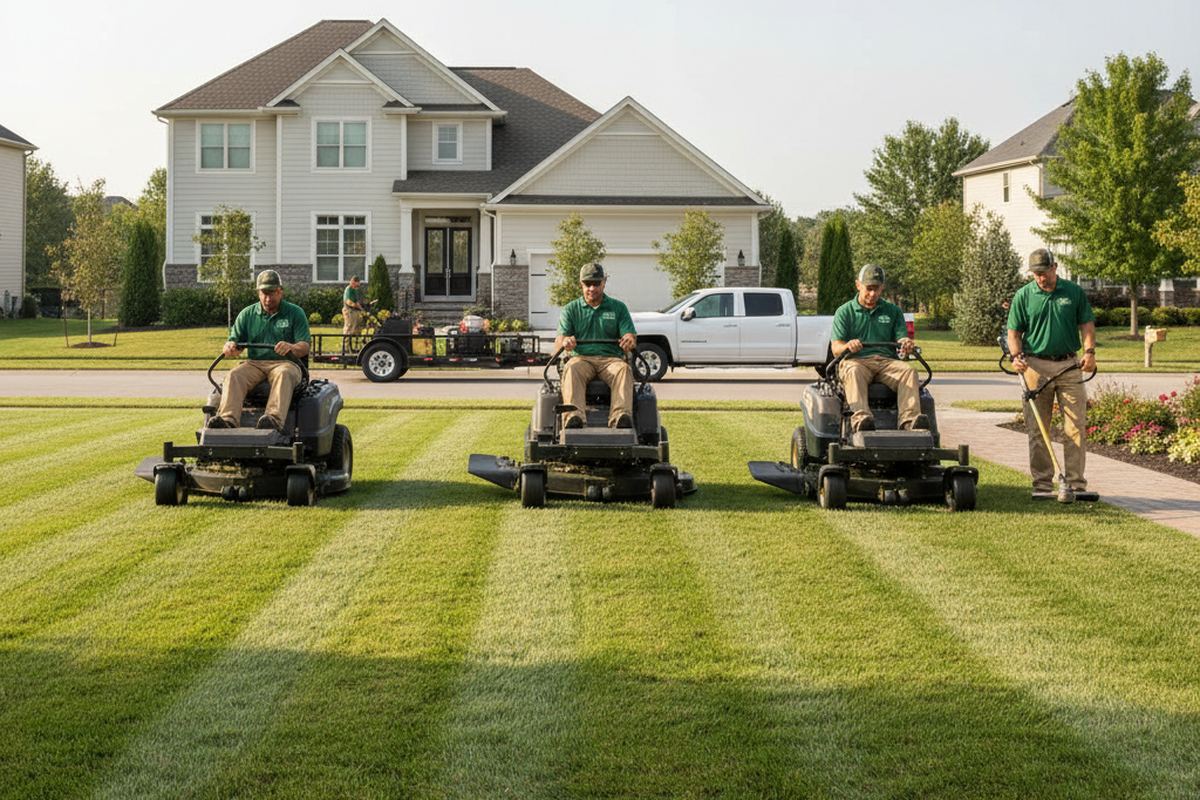
Understanding the ongoing costs of landscape maintenance is crucial for any homeowner, whether you're planning a new project or simply aiming to optimize your existing outdoor space. While the initial investment in landscaping can be substantial, the yearly expenses for upkeep often go overlooked. These recurring costs can significantly impact your household budget. This guide breaks down the real yearly cost of landscape maintenance, considering both DIY efforts and professional services, to help you plan effectively.
Understanding the Basics of Landscape Maintenance Costs
Landscape maintenance encompasses a wide range of activities designed to keep your outdoor areas healthy, attractive, and functional. These activities typically include lawn care, plant and shrub care, tree maintenance, irrigation system checks, and seasonal cleanups. The scope and frequency of these tasks directly influence the overall annual cost, which can vary significantly based on the size and complexity of your landscape.
Homeowners often underestimate the time and financial commitment required for consistent upkeep. For example, a basic lawn care regimen for a quarter-acre property might involve weekly mowing, fertilization a few times a year, and occasional weed control. Each of these components adds to the total cost, whether through purchasing materials for DIY or paying for professional services.
DIY Maintenance: Materials and Equipment Costs
Opting for do-it-yourself landscape maintenance can save on labor costs, but it requires an initial investment in tools and ongoing expenses for materials. Essential equipment might include a lawn mower (ranging from $200 for electric models to over $1,000 for riding mowers), a string trimmer ($50-$200), and basic hand tools like pruners and shovels ($50-$150). These are mostly one-time or infrequent purchases.
Recurring costs for DIY include fuel for gas-powered equipment, fertilizer (around $50-$150 annually for a typical lawn), mulch ($100-$300 annually), pest control products ($50-$100), and replacement parts for tools. Annually, these material and fuel costs can range from $200 to $600, depending on the size of your yard and the intensity of your maintenance efforts. This does not factor in your time investment.
Professional Services: What to Expect to Pay
Hiring professional landscapers offers convenience and expertise, but comes with a higher price tag. For basic lawn care (mowing, trimming, edging) on an average-sized property (0.25-0.5 acres), you might expect to pay an average of $40-$70 per visit, typically on a weekly or bi-weekly schedule. Over a typical 8-month growing season, this could total $1,280 to $2,240 annually.
Beyond basic lawn care, additional services like fertilization, weed control, pruning, and seasonal cleanups significantly increase costs. A full-service maintenance package, which often includes all these elements, could range from $200 to $500 per month, or $2,400 to $6,000 annually. Tree care, irrigation system maintenance, and pest management are usually extra and can add hundreds to thousands of dollars per year.
- Basic weekly lawn mowing: $40-$70 per visit
- Fertilization and weed control (4-6 applications/year): $300-$700 annually
- Spring/Fall cleanups: $200-$600 per cleanup
- Shrub pruning: $150-$400 annually
- Irrigation system check-up/winterization: $100-$250 annually
Build a phased landscaping budget — hardscape, softscape, irrigation — that fits your yard.
Open the Landscaping Budget PlannerFactors Influencing Your Annual Maintenance Budget
Several key factors dictate the ultimate cost of your landscape maintenance. The size of your property is a primary driver; larger yards naturally require more time, materials, or labor. The complexity of your landscape design also plays a significant role. Features like extensive planting beds, water features, or intricate hardscaping demand more specialized care than a simple lawn.
Your geographic location and local climate also affect costs. Regions with longer growing seasons or specific pest pressures may incur higher expenses for more frequent services or specialized treatments. The type of plants you choose also matters; high-maintenance species like roses or certain exotic plants will require more attention than native, low-maintenance varieties.
Budgeting for Unexpected Repairs and Upgrades
Beyond routine maintenance, it's wise to allocate funds for unexpected repairs or periodic upgrades. Irrigation systems, for instance, may require repairs to broken sprinkler heads or lines, costing $50 to $300 per incident. Hardscaping elements like patios or walkways can settle or crack over time, potentially needing repairs that range from a few hundred to over a thousand dollars.
Consider also the need for periodic plant replacement, soil amendments, or even minor design adjustments. Setting aside a contingency fund, perhaps 10-15% of your estimated annual maintenance budget, can help cover these unforeseen expenses without disrupting your overall financial plan. This proactive approach ensures your landscape remains vibrant and functional for years to come.
Optimizing Your Maintenance Costs: DIY vs. Professional Hybrid
Many homeowners find a hybrid approach to be the most cost-effective solution. You might handle routine tasks like mowing and weeding yourself, while outsourcing more specialized or time-consuming jobs such as annual fertilization, pest control, or tree pruning to professionals. This strategy leverages your time and effort for basic care while ensuring expert attention for critical, less frequent tasks.
Before committing to a plan, assess your own skills, available time, and the specific needs of your landscape. Obtain multiple quotes from professional services to compare pricing and service packages. A well-considered hybrid approach can significantly reduce your overall annual landscape maintenance costs while still preserving the beauty and health of your outdoor living space.
Long-Term Savings Through Smart Design
Strategic landscape design can drastically reduce long-term maintenance costs. Opting for native plants that are well-suited to your local climate and soil conditions minimizes water needs, pest issues, and the need for excessive fertilization. Xeriscaping, a method of landscaping that reduces or eliminates the need for irrigation, is an excellent example of a low-maintenance design choice.
Incorporating hardscaping elements like patios, decks, and gravel paths can also reduce the amount of lawn area needing regular mowing. Consider durable, low-maintenance materials for these features to further minimize future upkeep. Investing in smart design upfront can save you thousands of dollars in maintenance over the lifespan of your landscape.
The bottom line
Understanding the true annual cost of landscape maintenance, whether through DIY efforts or professional services, is essential for responsible homeownership. By carefully considering your property's needs, your own time availability, and your budget, you can develop a sustainable plan. Proactive planning helps you enjoy a beautiful outdoor space without financial surprises, ensuring your landscape remains an asset rather than a burden.
Get more guidance like this in your inbox
Weekly emergency-fund tactics, milestone checklists, and the next article — delivered free.
Run your own number
Get a personalized emergency fund target based on your income, expenses, and job stability.
Open the calculator