How Much Should You Spend on Landscaping? The 2026 Guide
The rule-of-thumb landscaping budget by home value and how to phase spending.
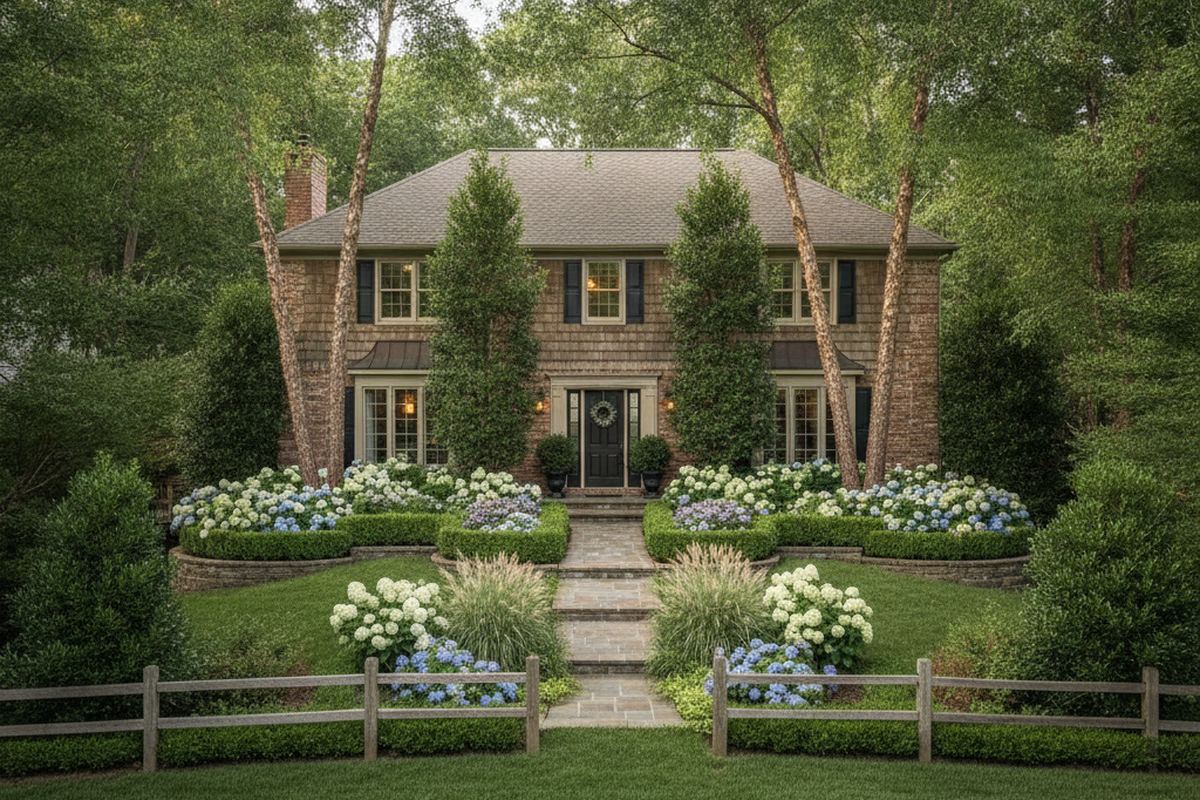
Developing an outdoor living space can significantly enhance your home's value and your quality of life. However, without a clear financial plan, landscaping projects can quickly become overwhelming. This guide offers a data-oriented approach to budgeting for your landscaping goals, considering various project scopes and home values. Understanding the financial commitment upfront allows for informed decisions and phased execution, ensuring your investment yields lasting satisfaction.
Establishing Your Baseline Budget by Home Value
A common guideline suggests allocating 5% to 15% of your home's value to landscaping. For a home valued at $400,000, this translates to a budget range of $20,000 to $60,000. This percentage accounts for a comprehensive approach, including hardscaping, plantings, and potentially irrigation or lighting. The exact figure within this range depends on your vision for the space and the complexity of the desired features.
Consider a homeowner with a $600,000 property. Their landscaping budget could reasonably fall between $30,000 and $90,000. This range provides a starting point for planning, but it's crucial to remember that it's an estimate. Factors like regional labor costs, material choices, and the existing condition of your yard will influence the final expenditure. It's wise to consider the lower end for basic enhancements and the higher end for extensive renovations.
Understanding Cost Components: Hardscaping vs. Softscaping
Landscaping costs are broadly divided into hardscaping and softscaping. Hardscaping includes non-living elements such as patios, walkways, retaining walls, and outdoor kitchens. These components often represent a significant portion of the budget due to material and labor intensity. For example, a 300-square-foot paver patio might cost between $4,500 and $9,000, while a basic outdoor kitchen could range from $8,000 to $25,000 or more depending on features.
Softscaping encompasses living elements like trees, shrubs, flowers, and sod. While generally less expensive per unit than hardscaping, the cumulative cost can still be substantial, especially for mature plantings or extensive garden beds. A new tree might cost $150-$600, and comprehensive planting for a medium-sized yard could be $2,000-$10,000. Irrigation systems, while often overlooked, are a critical component for maintaining softscape and can add $3,000-$7,000 depending on yard size.
- Hardscaping: Patios, decks, walkways, fences, pergolas, retaining walls, outdoor kitchens.
- Softscaping: Trees, shrubs, flowers, ground cover, sod, mulch.
- Additional Elements: Irrigation systems, lighting, water features, drainage solutions.
Phased Project Planning for Budget Control
For larger projects, breaking down the work into manageable phases is often the most financially sensible approach. This allows you to spread the cost over several years, align spending with available funds, and adjust plans as your needs evolve. For instance, you might prioritize essential hardscaping like a patio and main walkways in the first year, followed by primary plantings and an irrigation system in the second.
Subsequent phases could focus on decorative elements such as accent lighting, a fire pit, or a dedicated vegetable garden. This strategy helps prevent financial strain and ensures that each stage of the project is completed to a high standard. It also offers the flexibility to live with the initial changes and refine your vision before committing to further expenses.
Build a phased landscaping budget — hardscape, softscape, irrigation — that fits your yard.
Open the Landscaping Budget PlannerPrioritizing Features for Maximum Impact
When budgeting, identify the features that offer the greatest return on investment or personal enjoyment. For many, a functional and aesthetically pleasing patio or deck is paramount, as it extends living space. Investing in quality hardscaping materials that withstand local climate conditions can reduce long-term maintenance and replacement costs. Focus on creating a solid foundation for your outdoor environment.
Consider features that enhance curb appeal, as these can directly impact your home's resale value. A well-maintained lawn, attractive foundational plantings, and strategic accent lighting are often more impactful than highly specialized, niche elements. Prioritizing these visible and functional aspects first ensures a strong base before adding more personalized, luxury items.
The Role of Professional Design and Installation
While DIY can save on labor, professional landscaping design and installation can prevent costly mistakes and result in a more cohesive, sustainable outcome. A landscape architect or designer can help you optimize your budget, select appropriate plants for your climate, and create a functional layout. Design fees typically range from 5% to 15% of the total project cost, depending on the complexity and scope.
Professional installers bring expertise in grading, drainage, and plant installation, ensuring longevity and reducing future maintenance. For a project with a $40,000 budget, allocating $2,000 to $6,000 for professional design and consultation can be a wise investment. This ensures that your vision is realized efficiently and effectively, often avoiding issues that might emerge from inexperienced execution.
Factoring in Ongoing Maintenance Costs
Your landscaping budget shouldn't end with installation. Ongoing maintenance is essential to protect your investment and keep your outdoor space looking its best. This includes watering, fertilizing, pruning, pest control, and seasonal clean-up. Neglecting maintenance can lead to plant loss, weed overgrowth, and premature wear on hardscaping, ultimately requiring more significant repairs or replacements.
Allocate 1% to 3% of your initial landscaping cost annually for maintenance. For a $30,000 project, this means budgeting $300 to $900 per year. This can cover materials like mulch and fertilizer, or professional services for tasks you prefer not to do yourself. Planning for these recurring expenses ensures the long-term beauty and health of your outdoor environment.
Navigating Material Choices and Their Impact
The materials you select for your landscaping project will significantly influence the overall cost and aesthetic. Natural stone, such as flagstone or granite, often carries a higher price point than concrete pavers or gravel. For instance, a natural stone patio might cost $15-$30 per square foot installed, while concrete pavers could be $8-$18 per square foot. These differences extend to retaining wall materials, fencing, and decking.
When selecting plants, consider native species, which often require less water and maintenance once established, potentially saving money over time. Opting for smaller, younger plants can also reduce initial costs, though they will take longer to reach maturity. Balancing durability, appearance, and budget is key to making informed material decisions that align with your financial plan.
The bottom line
Thoughtful budgeting and strategic planning are fundamental to a successful landscaping project. By understanding the cost components, considering phased implementation, and prioritizing key features, you can create an outdoor space that enhances your home and lifestyle. Remember to factor in both initial installation and ongoing maintenance to ensure your investment thrives for years to come.
Get more guidance like this in your inbox
Weekly emergency-fund tactics, milestone checklists, and the next article — delivered free.
Run your own number
Get a personalized emergency fund target based on your income, expenses, and job stability.
Open the calculator