Mortgage Payoff During High Inflation: Friend or Foe?
How inflation affects the real cost of your mortgage — and whether high inflation means you should pay off faster or slower.
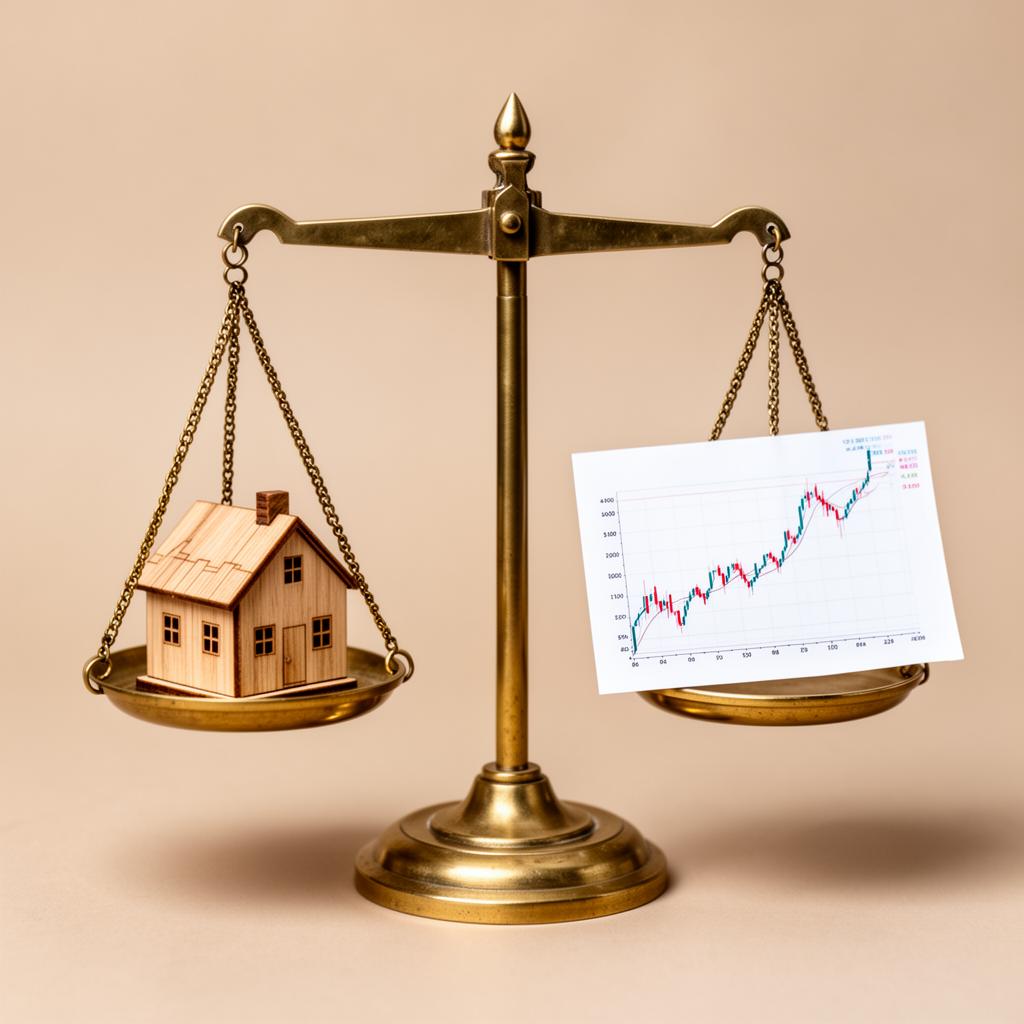
High inflation changes the mortgage payoff equation in ways that confuse even experienced homeowners. A fixed mortgage payment becomes 'cheaper' in real terms over time, which suggests paying slowly. But inflation also raises the cost of everything else, making the payment harder to afford. The answer depends on which inflation you're talking about.
Why inflation erodes mortgage debt
A $2,000 monthly payment in 2026 is fixed in nominal dollars. If inflation averages 4% annually, that $2,000 feels like $1,370 in real terms by year 10. Your income presumably rises with inflation, but your mortgage doesn't. The real burden shrinks. This is why some economists argue that long mortgages are an inflation hedge.
The catch: your income might not keep up
The erosion argument assumes your real income grows. If you're on a fixed income, nearing retirement, or in a stagnant industry, inflation makes the mortgage harder, not easier. The nominal payment is what leaves your account every month. If your paycheck doesn't grow, the erosion story is irrelevant.
The rate environment matters most
If your mortgage rate is below expected inflation, keeping the loan is mathematically advantageous. A 3% mortgage during 4% inflation is effectively a negative real rate — the bank is paying you to borrow. But a 7% mortgage during 3% inflation is expensive real debt. In 2026, with rates near 6.5%–7% and inflation around 3%, payoff is compelling for most borrowers.
The investment comparison shifts
During high inflation, nominal investment returns often rise — but real returns may not. Stocks can keep pace, bonds get crushed, and cash loses value. The guaranteed real return of mortgage payoff becomes more attractive when alternative safe investments are negative in real terms.
See your nominal mortgage payoff savings, then decide whether inflation theory or personal peace of mind should drive your decision.
See Your Nominal SavingsThe psychological constant
Inflation arguments are about macroeconomics. Your sleep is about microeconomics. If a mortgage-free life would reduce your anxiety regardless of inflation theory, the 'right' answer is to pay it off. Behavioral finance research consistently shows that debt freedom improves well-being more than optimal asset allocation.
The adjustable-rate wildcard
If you have an ARM, inflation is your enemy. Rising inflation pushes rates up, which means your payment rises. ARM holders should prioritize payoff or refinance to fixed before rates climb further. The inflation-eroses-debt argument does not apply to ARMs.
Model your inflation-adjusted path
Use the Mortgage Payoff Calculator to see your nominal savings. Then consider: if inflation averages 3%, does your income grow with it? If yes, the real cost of your fixed payment drops. If no, the calculator's nominal savings is the number that matters. Let your personal situation, not economic theory, drive the decision.
Get more guidance like this in your inbox
Weekly emergency-fund tactics, milestone checklists, and the next article — delivered free.
Plan your mortgage-free date
See exactly when you'll be mortgage-free and how much interest you'll save with your extra payments.
Open the Mortgage Payoff Calculator