Does Mulch Stop Weeds? How to Make It Actually Work
Mulch is your best weed-prevention tool — but only if you install it right. Here's the technique that works.
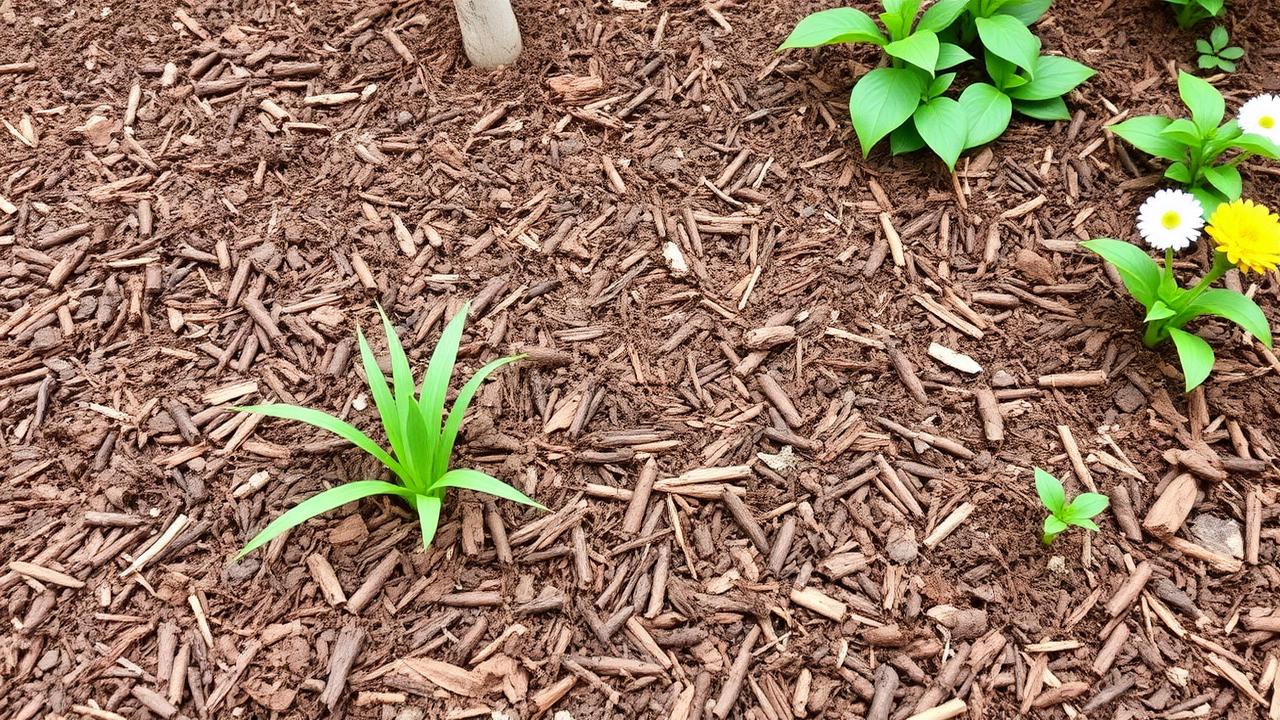
Mulch is the cheapest and most effective weed-prevention tool in any landscape — when you install it correctly. Most homeowners undersell themselves with weak technique.
How mulch suppresses weeds
Two mechanisms. First, mulch blocks sunlight from germinating weed seeds in the top inch of soil. Second, it creates a physical barrier that root and shoot must push through. Both require depth — that's the whole game.
The depth threshold
Below 2 inches of mulch, weed seeds still germinate. At 3 inches, you stop 80%+ of annual weeds. Past 4 inches, you suppress nearly all annuals — but harm shallow-rooted plants. Three inches is the right answer almost always.
The pre-mulch step that matters most
Mulch doesn't kill established weeds. You must remove existing weeds first — pull them, cut them at the base, or smother them under cardboard before mulching. Mulching over a weedy bed delays the weeds; it doesn't stop them.
The cardboard trick
For beds with heavy weed pressure, lay flattened cardboard directly on the soil, wet it down, then cover with 3 inches of mulch. The cardboard kills existing weeds and breaks down in 6–12 months. Zero chemicals. Brutally effective.
Why landscape fabric fails
Landscape fabric works for the first year. After that, weed seeds blow in, land in the mulch on top, root through the fabric, and become impossible to remove because their roots are anchored in the fabric. Skip the fabric — use cardboard if you need a barrier.
Annual top-up keeps weeds out
Even great mulch decomposes to 1.5 inches by year two — back into the weed-friendly zone. A 1" annual refresh maintains the suppression layer at the cost of about 30% of a new install.
Pre-emergent: the chemical assist
For severe weed pressure, sprinkle a pre-emergent herbicide (corn gluten for organic; Preen for synthetic) on the soil before mulching. Doesn't kill existing weeds; prevents seeds from germinating. Reapply every 3 months during the growing season.
Plan your annual top-up volume — calculate how much you actually need.
Open the Mulch CalculatorMulch alone isn't 100%
Expect to spend 10–20 minutes per bed per month hand-pulling the few weeds that establish. That's a 90% reduction from bare beds — the trade-off most gardeners gladly make.
Get more guidance like this in your inbox
Weekly emergency-fund tactics, milestone checklists, and the next article — delivered free.
Order the right amount of mulch
Get exact cubic yards, bag counts, and a bulk-vs-bagged price comparison for any garden bed — free with our Mulch Calculator.
Open the Mulch Calculator