National Parks Family Trip: The Ultimate Budget Vacation
How the national parks pass and camping cut a family trip cost in half.
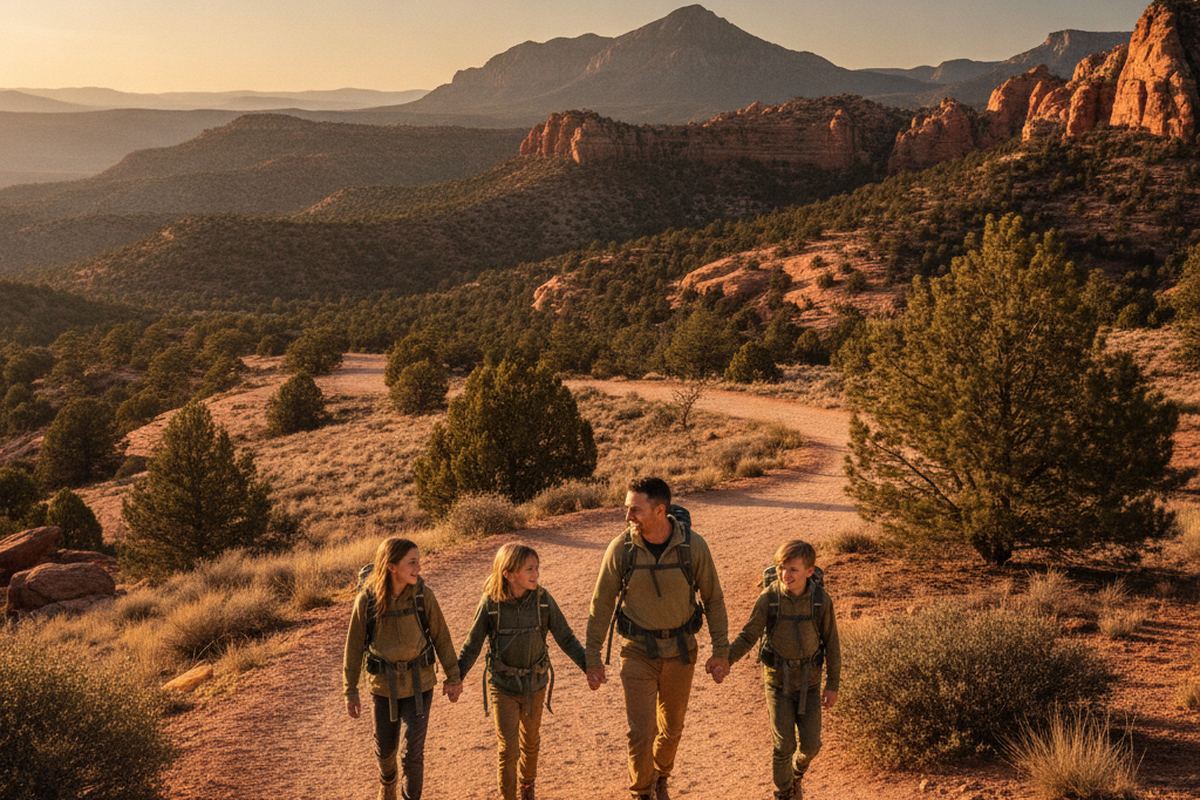
Planning a family vacation can often feel like a financial tightrope walk, especially when aiming for memorable experiences without accumulating debt. For many U.S. families, the allure of national parks offers a compelling solution. These natural wonders provide breathtaking backdrops for adventure and relaxation, often at a fraction of the cost of other popular destinations. By strategically utilizing passes and embracing budget-friendly accommodation options like camping, a national park trip becomes an accessible and enriching family getaway.
Unlock Savings with the America the Beautiful Pass
The America the Beautiful – National Parks and Federal Recreational Lands Annual Pass is a cornerstone for budget-conscious national park travel. For a single fee, which is expected to remain around $80 in 2026, this pass grants entrance to over 2,000 federal recreation sites, including all national parks, for a full year. This covers entrance fees for the pass holder and passengers in a single private vehicle, or up to four adults at sites charging per person. Consider a family visiting three or more national parks within a year; individual entry fees, often $30-$35 per park, would quickly exceed the pass cost, making it a significant saving.
Beyond entry, the pass can unlock discounts on certain amenities or activities within the parks, though this varies by location. It's important to note that the pass typically does not cover expanded amenity fees such as camping, guided tours, or concessionaire services. However, the primary benefit of waiving per-vehicle or per-person entrance fees across multiple parks makes it an invaluable investment for families planning a multi-park adventure or even just a few visits over 12 months. Ensure you purchase it directly from official sources like the USGS or park entrances to avoid inflated third-party prices.
Embrace Camping for Significant Accommodation Savings
Accommodation often represents the largest expense in a family vacation budget. By choosing camping over hotels, families can dramatically reduce this cost. National park campgrounds typically charge between $15 and $30 per night for a standard site, which is a fraction of the $150-$300+ nightly rates for hotels near popular parks. Many campgrounds offer basic amenities like restrooms and potable water, with some providing showers or electrical hookups for slightly higher fees. This allows families to stretch their travel budget further, allocating more funds to experiences rather than lodging.
When planning, research and reserve campsites well in advance, especially for popular parks and peak seasons. Reservations can often be made up to six months in advance via recreation.gov. Additionally, consider dispersed camping on Bureau of Land Management (BLM) or National Forest Service (NFS) lands adjacent to national parks, which is often free. While this option offers fewer amenities, it provides an even more immersive and budget-friendly experience, requiring careful planning for water, waste, and Leave No Trace principles.
- Campsite fees: $15-$30 per night (national park campgrounds)
- Hotel rates: $150-$300+ per night (near popular parks)
- Book 6+ months in advance for popular parks
Pack Smart: Food and Gear Strategies
Food expenses can quickly escalate on vacation, especially when relying on restaurants. For national park trips, packing your own food is a game-changer. Plan meals that are easy to prepare at your campsite, such as sandwiches, pasta, or grilled items. Bring a cooler with ice to keep perishables fresh, and stock up on non-perishable snacks, fruits, and vegetables before entering the park where prices for groceries are often higher. A typical family of four can save hundreds of dollars over a week-long trip by preparing most of their own meals.
Investing in essential camping gear, if you don't already own it, is a one-time cost that pays dividends on future trips. A quality tent, sleeping bags, cooking stove, and cooler can last for years. Consider borrowing from friends or renting gear for your first trip to minimize initial outlay. Proper hydration is also crucial; bring reusable water bottles and a water filter or purification tablets to safely refill from natural sources or designated park spigots, avoiding the constant purchase of bottled water.
Build a real family vacation budget by trip style, nights, and travelers — with a monthly cash-fund plan.
Open the Family Vacation Budget PlannerMinimize Transportation Costs
Fuel is a significant variable in any road trip budget. Before embarking, map out your routes to optimize for fuel efficiency and identify gas stations outside of immediate park vicinities, where prices tend to be lower. Consider carpooling if traveling with extended family or friends. Within many national parks, shuttle bus systems are available and often encouraged to reduce traffic congestion and parking challenges. Utilizing these free or low-cost shuttles can save on fuel and the stress of finding parking, contributing to a more relaxed experience.
For parks that are a long drive from home, flying might seem expensive, but factor in the wear and tear on your vehicle, potential overnight stops, and fuel costs for thousands of miles. Sometimes, a combination of flying to a regional airport and then renting a car for the final leg to the park can be more economical. Renting a fuel-efficient vehicle might also be a smart move if your personal car is a gas guzzler, offsetting some of the rental cost with fuel savings.
Budget for Activities and Souvenirs Wisely
While the natural beauty of national parks is often the main draw and free to enjoy, some activities and souvenirs can add up. Prioritize free activities like hiking, ranger programs, and scenic drives. Many parks offer junior ranger programs, which are often free or have a nominal fee for a badge, providing an engaging and educational experience for children. If you plan for guided tours or specialized activities like horseback riding or rafting, research prices in advance and factor them into your budget.
When it comes to souvenirs, set a clear budget beforehand. Encourage children to choose one meaningful item rather than multiple small trinkets. Consider practical souvenirs like a park-specific patch, postcard, or a local craft item that supports the community. These small choices can prevent impulse buys that inflate your overall trip cost while still providing lasting memories of your adventure.
Leverage Free Resources and Planning Tools
Before you even leave home, take advantage of the wealth of free information available. The National Park Service website (nps.gov) is an invaluable resource for detailed park maps, trail conditions, campground information, and seasonal operating hours. Many parks also offer free digital guides or brochures that can be downloaded to your phone, saving on physical map purchases. Utilizing these official resources ensures you have accurate and up-to-date information for your trip planning.
Additionally, numerous online forums and travel blogs offer firsthand accounts and budget tips from other families who have visited national parks. Searching for 'national park budget travel' or 'family camping tips' can yield creative ideas for saving money. While these resources are helpful, always cross-reference information with official park sources for critical details like closures or specific regulations. This proactive research minimizes surprises and helps to craft a realistic and debt-free vacation plan.
Create a Detailed Family Vacation Budget
The most effective way to ensure a debt-free national park vacation is to create a detailed budget. Start by estimating costs for each category: the America the Beautiful Pass, camping fees, groceries, fuel, potential activity fees, and a small buffer for emergencies. Tracking these expenses before and during your trip helps you stay accountable and make informed spending decisions. For example, knowing your daily food budget allows you to decide between cooking at the campsite or a single restaurant meal.
Involving your family in the budgeting process can also be a valuable lesson in financial literacy. Discussing trade-offs, like choosing free ranger programs over a paid activity, helps everyone understand the value of money and contributes to a shared goal of a fun, affordable trip. By breaking down the total vacation cost into manageable categories, you can identify areas for potential savings and ensure your national park adventure remains within your financial comfort zone.
The bottom line
A national parks family trip offers an unparalleled blend of adventure, education, and natural beauty without requiring a hefty budget. By leveraging the America the Beautiful Pass, embracing camping, and making conscious choices about food and transportation, families can create lasting memories. Careful planning and a detailed budget are key to enjoying these incredible landscapes debt-free.
Get more guidance like this in your inbox
Weekly emergency-fund tactics, milestone checklists, and the next article — delivered free.
Run your own number
Get a personalized emergency fund target based on your income, expenses, and job stability.
Open the calculator