Native Plants vs Lawn: The Cost Case for Ditching Grass
The 10-year cost of a lawn vs a native plant yard — with water and upkeep.
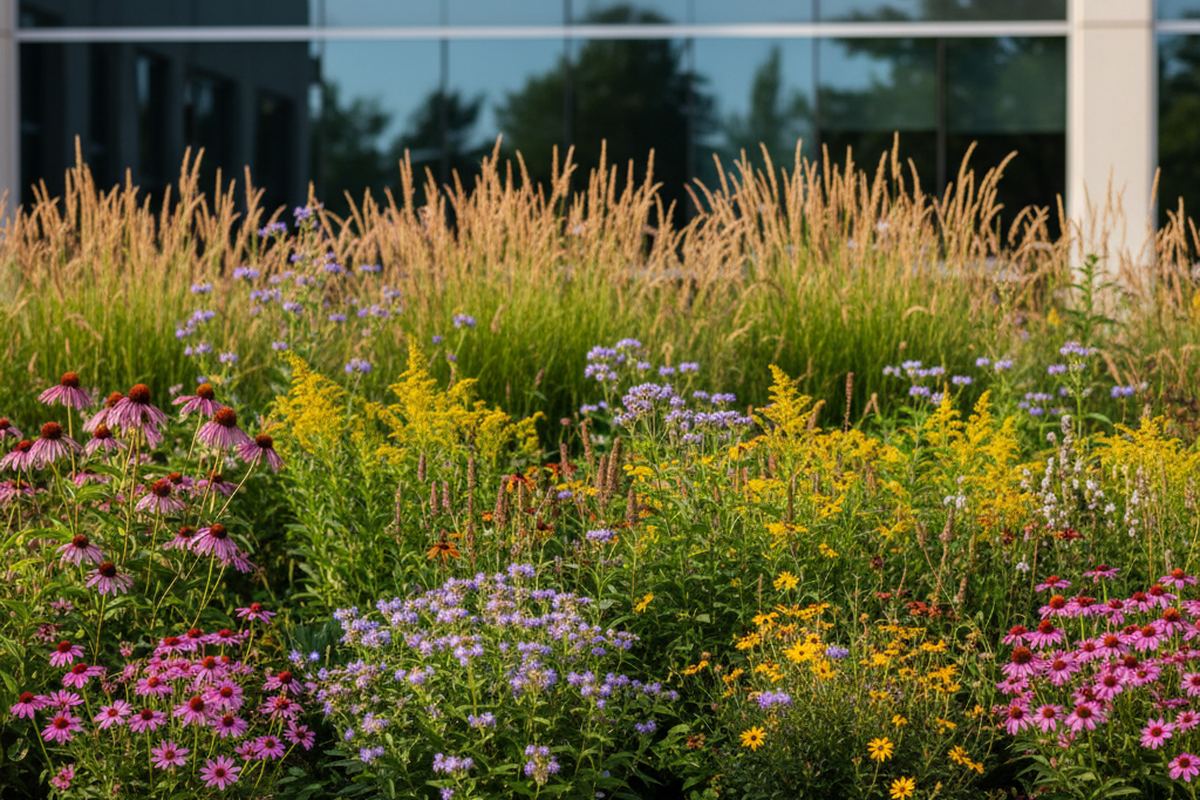
Homeowners often dream of a lush, green lawn, but the reality of maintaining one can be costly and time-consuming. From regular mowing to extensive watering, the expenses add up over the years. Increasingly, many are considering an alternative: replacing traditional turf with native plants. This shift not only offers environmental benefits but can also present a compelling financial case over the long term, especially when factoring in water usage and ongoing maintenance.
The True Cost of a Traditional Lawn
Maintaining a conventional lawn involves several predictable and recurring expenses. For an average quarter-acre lawn, annual costs can range from $700 to $1,500. This estimate typically includes professional mowing services, which can be $40-$70 per visit, or the cost of purchasing and maintaining a lawnmower, fuel, and other equipment if you do it yourself. Additionally, fertilizers, weed control products, and pest treatments contribute significantly to the yearly outlay, often totaling $100-$300.
Watering is another major financial drain, particularly in regions prone to drought or with higher water rates. A typical lawn requires about an inch of water per week, translating to thousands of gallons over a growing season. Depending on local water costs, this can add $200-$600 or more to annual utility bills. Over a decade, these combined costs for a traditional lawn can easily accumulate to $7,000 to $15,000, not including potential repair costs for irrigation systems or unexpected issues.
Initial Investment for Native Plant Landscaping
Transitioning from a lawn to native plants does involve an upfront investment. The initial costs include removing existing turf, which can range from $0.50 to $2.00 per square foot depending on the method (solarization, sheet mulching, or professional removal). Purchasing native plants can vary widely, but expect to spend $3 to $20 per plant, with groundcovers and smaller perennials being less expensive than shrubs and trees. Soil amendments, mulch, and potentially a new irrigation system for establishment also contribute to the initial budget.
For a typical 1,000 square foot area, the initial conversion cost could range from $1,500 to $5,000. This includes turf removal, plant purchases, and basic installation materials. While this might seem substantial, it's important to view this as a capital investment that yields long-term savings. Many communities offer rebates or grants for homeowners who convert lawns to drought-tolerant or native landscapes, which can help offset these initial expenses, effectively reducing the net cost.
Reduced Ongoing Maintenance and Watering
One of the most significant financial advantages of native plants is their dramatically lower maintenance requirements once established. Native species are adapted to local climate and soil conditions, meaning they generally need less water, fertilizer, and pest control than non-native lawn grasses. After the first year or two of establishment, watering needs can decrease by 50-80% compared to a traditional lawn, leading to substantial savings on water bills. This could mean annual water savings of $100-$500 or more.
Furthermore, native plant landscapes typically require less frequent pruning, no regular mowing, and are more resistant to local pests and diseases, reducing the need for chemical treatments. While some weeding is still necessary, it is generally less intensive than maintaining a pristine lawn. The reduction in labor and material costs for maintenance can save homeowners $300-$800 annually, shifting resources from constant upkeep to enjoying their yard.
Build a phased landscaping budget — hardscape, softscape, irrigation — that fits your yard.
Open the Landscaping Budget PlannerLong-Term Financial Projections: 10-Year Outlook
Let's compare the 10-year cost. For a traditional lawn, with annual costs averaging $1,000, the total over a decade would be $10,000. This does not factor in potential equipment replacement or significant repairs. This figure is a conservative estimate, and many homeowners report higher annual expenses.
For a native plant landscape, an initial investment of $3,000 could be followed by reduced annual maintenance of $200-$500 (compared to $700-$1,500 for a lawn). Over 10 years, assuming average annual upkeep of $350, the total cost would be $3,000 (initial) + ($350 x 9 years) = $6,150. This represents a potential savings of over $3,800 compared to a traditional lawn, and these savings grow significantly beyond the 10-year mark as the initial investment is fully amortized.
- Traditional Lawn (10 years): $7,000 - $15,000+
- Native Plant Landscape (10 years): $3,000 - $8,000 (including initial investment)
Additional Value and Environmental Returns
Beyond direct cost savings, native plant landscapes offer several indirect financial and environmental benefits. They can enhance property value due to increased curb appeal, improved biodiversity, and reduced environmental impact. A well-designed native landscape signals sustainability and lower future maintenance for prospective buyers, which can be a significant selling point. Some studies suggest that sustainable landscaping can increase home values by 5-10%.
The environmental returns are also substantial. Native plants support local ecosystems by providing habitat and food for pollinators and wildlife, improving soil health, and reducing stormwater runoff. This contributes to a healthier local environment and can reduce community-wide costs associated with water management and biodiversity loss. While not directly quantifiable in personal finances, these benefits contribute to a higher quality of life and community resilience.
Planning Your Transition to Native Plants
Successfully transitioning to a native plant landscape requires careful planning. Start by researching native plants suitable for your specific region and soil type. Consider the amount of sunlight your yard receives and how you want to use the space. You might opt for a phased approach, converting a section of your lawn each year, rather than undertaking the entire project at once. This can make the initial investment more manageable and allows you to learn as you go.
Consulting with local nurseries or landscape designers specializing in native plants can provide valuable guidance. They can help with plant selection, design, and installation strategies. Remember to factor in the cost of initial site preparation, plants, and any necessary irrigation adjustments into your budget. While the upfront work requires effort and investment, the long-term financial and environmental rewards of a native plant landscape are compelling.
The bottom line
Evaluating the long-term costs of home landscaping reveals a strong financial argument for choosing native plants over traditional lawns. While there's an initial investment, the significant savings in water, maintenance, and ongoing care quickly offset these upfront expenses. By planning carefully and considering your specific climate, you can create a beautiful, sustainable, and cost-effective landscape that benefits both your wallet and the environment.
Get more guidance like this in your inbox
Weekly emergency-fund tactics, milestone checklists, and the next article — delivered free.
Run your own number
Get a personalized emergency fund target based on your income, expenses, and job stability.
Open the calculator