Organic vs Inorganic Mulch: Which Is Right for Each Bed?
Organic mulch feeds soil. Inorganic mulch lasts forever. Here's when to use each and when to mix them strategically.
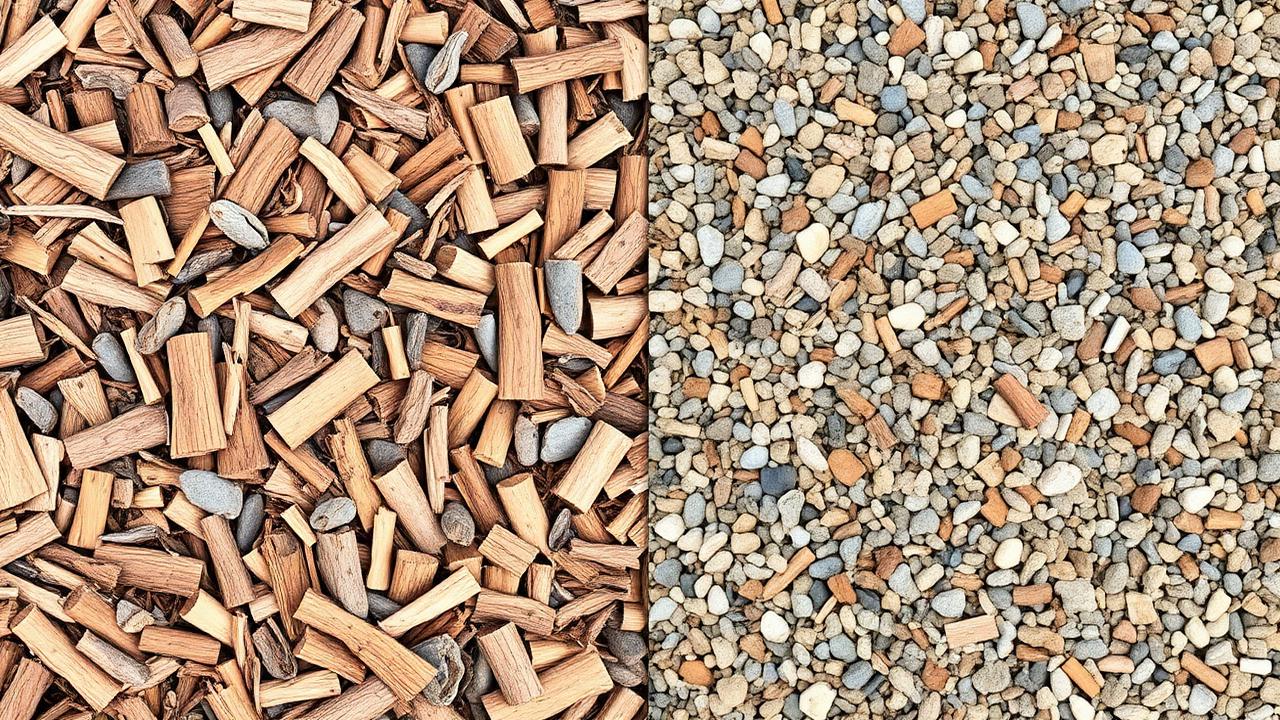
Every mulch falls into one of two camps: organic (wood, bark, straw, leaves, compost) or inorganic (rock, gravel, rubber, plastic). They serve different purposes.
Organic mulch
- Decomposes and feeds soil
- Improves soil structure over time
- Holds moisture better
- Moderates soil temperature
- Must be refreshed every 1–3 years
- Cheaper per yard
Inorganic mulch
- Doesn't decompose — lasts 10+ years
- Doesn't improve soil (or harms it via heat)
- Sheds water more readily
- Doesn't blow away or migrate as easily
- Expensive upfront, cheap long-term
- Hard to remove if you change your mind
When organic wins
Any bed with plants in it. Vegetable gardens always. Foundation beds with shrubs. Tree rings. Anywhere you want soil to keep getting better year over year.
When inorganic wins
Drainage paths, dry creek beds, downspout splash areas, playground surfaces, dog runs, around AC and propane units. Areas you specifically want plant growth to stop.
The hybrid strategy
Use inorganic mulch strategically: river rock in a dry streambed, gravel in a side-yard utility path, rubber under the swing set. Use organic everywhere else. Don't pick one for the whole property.
Climate considerations
Hot climates: organic mulch holds moisture and cools roots — major advantage. Inorganic raises soil temp 5–15°F. In Phoenix, that's the difference between alive and dead plants.
Cost over 10 years
Organic at $40/yd³ × every 2 years × 5 cycles = $200/yd³. Inorganic at $150/yd³ × every 10 years = $150/yd³. Inorganic edges out on long-term material cost — but you lose the soil benefits of organic.
Calculate both options for your yard and compare.
Open the Mulch CalculatorFinal recommendation
For most homes, 90% organic + 10% inorganic in specific functional spots is the right mix. Going all-inorganic looks dated and damages soil; going all-organic ignores legitimate uses for rock and gravel.
Get more guidance like this in your inbox
Weekly emergency-fund tactics, milestone checklists, and the next article — delivered free.
Order the right amount of mulch
Get exact cubic yards, bag counts, and a bulk-vs-bagged price comparison for any garden bed — free with our Mulch Calculator.
Open the Mulch Calculator