Outdoor Learning: The Best Free Summer Curriculum
The outdoor learning activities that quietly teach real curriculum.
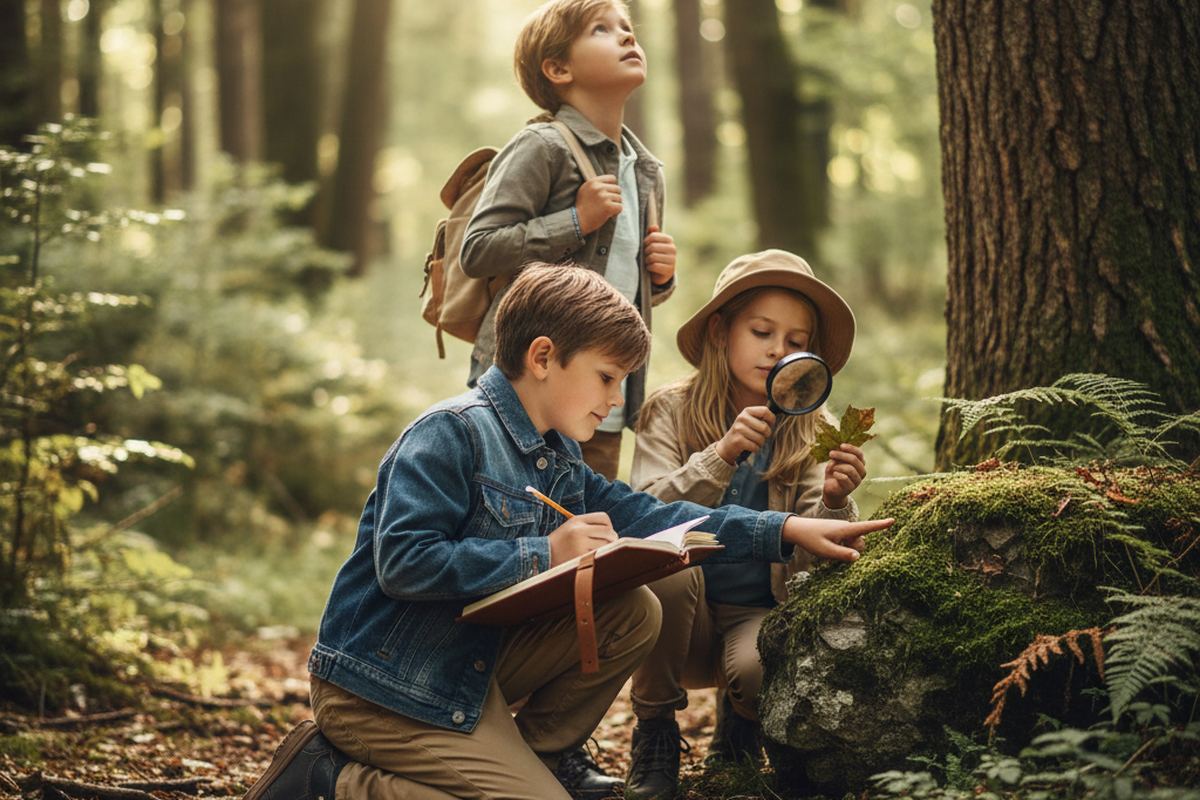
Summer offers a prime opportunity for children to learn and grow outside the traditional classroom setting. Engaging kids in outdoor activities can foster critical thinking, problem-solving skills, and a deeper connection to their environment. These experiences often provide a more memorable and impactful education than structured lessons, all while enjoying the warmer months. This approach to learning can also be highly cost-effective, leveraging readily available resources.
Nature Walks and Exploration
Transform a simple walk in a local park, forest, or even your backyard into a scientific expedition. Encourage children to observe plants, insects, and animal tracks. Bring a magnifying glass, a sketchbook, and a field guide to identify species. This activity promotes observation skills, introduces basic biology and ecology concepts, and encourages curiosity about the natural world.
Discuss different types of leaves, the role of insects in the ecosystem, or how weather affects plant growth. You can also incorporate map-reading skills by using a simple compass or drawing a basic map of your route. These explorations can be tailored to various age groups, from identifying colors for preschoolers to understanding ecological relationships for older children.
- Identify local flora and fauna
- Sketch observations in a nature journal
- Practice using a compass or drawing maps
Gardening for Life Skills
Starting a small garden, whether in pots on a patio or a designated plot, offers a hands-on lesson in biology, patience, and responsibility. Children can learn about plant life cycles, the importance of soil and water, and how food grows. The process of planting seeds, watering daily, and observing growth provides tangible results and a sense of accomplishment.
Gardening also integrates practical math skills through measuring planting distances, calculating yield, and tracking growth over time. It can introduce concepts of nutrition and healthy eating when harvesting fruits and vegetables. Even a simple herb garden can provide valuable learning experiences about sensory exploration and basic botany.
- Learn about plant life cycles
- Practice measuring and tracking growth
- Understand the origin of food
Backyard Science Experiments
Your backyard can become an outdoor laboratory for engaging science experiments. Simple projects like building a solar oven, creating a water filtration system, or even launching bottle rockets can illustrate principles of physics, chemistry, and engineering. These activities often use household items, making them accessible and inexpensive.
For example, constructing a simple sundial teaches about time, shadows, and the Earth's rotation. Observing how different materials absorb or reflect sunlight demonstrates concepts of heat transfer. These hands-on experiments make abstract scientific principles more concrete and understandable for children of all ages.
Budget a summer plan that beats the summer slide — camps, tutoring, and free wins.
Open the Summer Learning PlannerOutdoor Art and Creativity
Take art supplies outdoors and encourage children to use nature as their inspiration or medium. Drawing landscapes, painting natural objects, or creating sculptures from sticks, leaves, and mud can foster creativity and appreciation for aesthetics. This allows for messier projects that might be avoided indoors.
Collecting natural materials for collages or creating 'land art' with stones and flowers also enhances observational skills and encourages imaginative thinking. Photography can also be introduced as a way to capture the beauty of nature, teaching composition and perspective. The open space often sparks new creative ideas.
Citizen Science Contributions
Involve children in citizen science projects that contribute to real scientific research. Many organizations offer programs where families can record observations of birds, insects, or plant bloom times. Apps like iNaturalist or eBird allow users to upload photos and data, which are then used by scientists.
These activities teach data collection, scientific methodology, and the importance of contributing to a larger community effort. It also helps children understand how their individual observations can contribute to a broader understanding of environmental trends and biodiversity.
- Participate in bird counts
- Document local plant and insect species
- Contribute to environmental monitoring projects
Physical Activity and Skill Development
Outdoor play inherently promotes physical activity, but it can also be structured to develop specific skills. Setting up an obstacle course, playing traditional field games, or practicing balance on natural elements like logs can enhance gross motor skills, coordination, and problem-solving. These activities also build resilience and encourage teamwork.
Learning practical outdoor skills like knot-tying, basic shelter building, or identifying cardinal directions introduces survival skills and fosters self-reliance. These are not only valuable life skills but also provide a sense of accomplishment and confidence in navigating the natural world.
Financial Literacy in Outdoor Settings
Integrate basic financial concepts into outdoor activities. For instance, if gardening, discuss the cost of seeds versus the value of the produce, or the time investment required. When planning a nature excursion, talk about budgeting for transportation or any small admission fees, or the cost-effectiveness of packing a picnic versus buying food.
You can also set up a small "lemonade stand" or a "garden produce stand" with items grown or made outdoors. This provides a direct, hands-on lesson in entrepreneurship, pricing, sales, and managing money. Discuss the concept of profit and loss, and how to allocate earnings, even if it's just for a small treat or donation.
The bottom line
Embracing outdoor learning opportunities this summer can provide a rich, engaging, and often free curriculum for your children. These experiences foster not only academic growth but also critical life skills, creativity, and a deeper appreciation for the natural world. By actively participating in and guiding these activities, you can create memorable learning moments that extend far beyond the classroom.
Get more guidance like this in your inbox
Weekly emergency-fund tactics, milestone checklists, and the next article — delivered free.
Run your own number
Get a personalized emergency fund target based on your income, expenses, and job stability.
Open the calculator