Outdoor vs Indoor Party: Weather, Cost, and Kid Energy
The outdoor vs indoor party trade-off with backup plans that work.
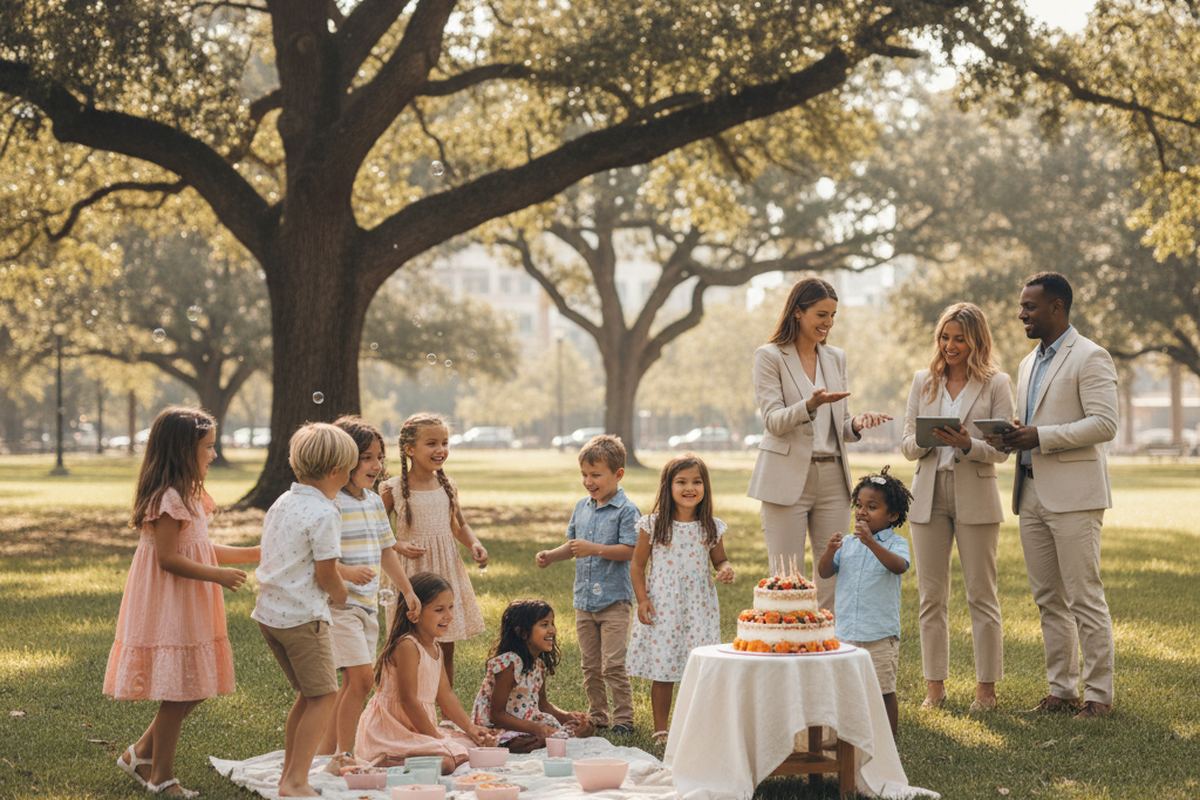
Deciding on the perfect venue for a child's birthday party often comes down to a fundamental choice: indoors or outdoors. Both options offer distinct advantages and disadvantages, impacting everything from the party's atmosphere to the final cost. Understanding these differences can help parents make an informed decision that aligns with their budget, their child's personality, and their vision for a memorable celebration. This guide explores the key factors to consider when weighing an outdoor against an indoor party setting.
Weather Resilience: Planning for the Unexpected
Outdoor parties are inherently vulnerable to weather conditions. Rain, extreme heat, or unexpected cold fronts can quickly derail even the most meticulously planned event. While tents and covered areas can offer some protection, they add to the overall cost and may not fully mitigate discomfort. Having a solid backup plan, such as a reserved indoor space or a contingency date, is crucial for outdoor celebrations.
Indoor venues, conversely, offer a controlled environment, making them immune to most weather concerns. This provides peace of mind and ensures the party can proceed as planned, regardless of what's happening outside. However, this weather resilience often comes with a higher price tag and potentially less natural light or open space for active play compared to an outdoor setting.
Cost Considerations: Venue, Activities, and Supplies
The cost difference between outdoor and indoor parties can be substantial. Hosting an outdoor party in a public park or your backyard might seem more economical initially, as venue rental fees could be minimal or non-existent. However, you might need to rent equipment like tables, chairs, or even portable restrooms, and invest in weather-related contingencies like pop-up shelters, which can add up quickly.
Indoor venues, such as play centers, community halls, or dedicated party spaces, typically have a base rental fee that includes the space and sometimes basic amenities. For a 2026 party, expect indoor venue rentals to range from $200 to $800 for a few hours, depending on location and included services. While the upfront cost might be higher, these venues often simplify logistics by providing tables, chairs, and sometimes even entertainment, potentially reducing the need for additional rentals.
Kid Energy and Space for Play
Outdoor parties naturally lend themselves to energetic activities. Open spaces like parks or backyards allow children to run, play games, and engage in more boisterous fun without feeling confined. This can be ideal for active children who thrive in environments with ample room to move. Outdoor activities like scavenger hunts, obstacle courses, or sports can keep kids engaged and help them burn off energy effectively.
Indoor venues, while offering protection from the elements, can sometimes feel more restrictive, depending on their size and layout. While many indoor play centers are designed for active play, a smaller community hall might limit the types of games or activities possible. Consider the age and energy levels of the children attending; a large, active group might feel more constrained indoors unless the venue is specifically designed for high-energy play.
Plan a birthday party that hits the vibe without wrecking the month.
Open the Birthday Party Budget CalculatorDecorations and Theme Execution
Decorating for an outdoor party offers unique opportunities, utilizing natural surroundings as part of the theme. Streamers, balloons, and banners can be affixed to trees or fences, and the natural light enhances vibrant colors. However, decorations must be secured against wind and other elements, and some delicate items may not be suitable for an outdoor environment. Setup and breakdown can also be more labor-intensive outdoors.
Indoor venues provide a blank canvas that is protected from the elements, allowing for more intricate and delicate decorations. Themes can be executed with greater precision and less worry about wind or rain. Many indoor party spaces also offer built-in decor or adaptable lighting, which can enhance the party's atmosphere and reduce the need for extensive additional decorations.
Food and Beverage Logistics
Managing food and drinks for an outdoor party requires careful planning, especially regarding temperature control. Coolers are essential for keeping beverages and perishable foods safe, and access to a power source for warming trays or blenders might be limited. Protection from insects also becomes a consideration. Self-catering is often more feasible outdoors, but requires more effort from the hosts.
Indoor venues typically offer more convenient food and beverage solutions. Many venues have kitchen facilities, refrigerators, and counter space, simplifying food preparation and serving. Some venues even offer catering packages, reducing the host's workload significantly. This controlled environment also mitigates concerns about food spoiling or being exposed to pests.
Guest Comfort and Amenities
Ensuring guest comfort at an outdoor party involves providing adequate shade, seating, and access to restrooms. Public parks may have limited facilities, and renting portable restrooms can add a significant expense. Consider providing bug spray, sunscreen, and plenty of water, especially during warmer months. Comfort levels can fluctuate with the weather, potentially impacting the overall guest experience.
Indoor venues generally offer a higher level of guest comfort with climate control, readily available restrooms, and comfortable seating. These amenities are typically included in the venue rental fee, simplifying planning. Guests are also protected from insects, direct sun exposure, and unpredictable weather, allowing them to focus on enjoying the celebration without environmental distractions.
Backup Plans and Contingencies
A robust backup plan is non-negotiable for outdoor parties. This might involve reserving a secondary indoor location, having a large tent on standby, or being prepared to pivot to a different type of activity. Communicating the contingency plan to guests in advance can also reduce stress and confusion if a change is necessary. The cost of a backup plan should be factored into the overall budget.
While indoor parties are less susceptible to weather issues, having a contingency for other unforeseen circumstances is still prudent. This could include having extra supplies on hand, a first-aid kit, or alternative activities if planned entertainment falls through. The planning for indoor party contingencies is generally simpler and less focused on environmental factors, allowing for more focus on event flow and guest engagement.
The bottom line
Ultimately, the choice between an outdoor and indoor party depends on a careful assessment of your priorities, budget, and the specific needs of your child and guests. Weighing weather risks against the allure of open space, and considering cost implications for both venue and amenities, will guide you to a decision. By understanding these trade-offs, you can plan a successful and enjoyable birthday celebration for everyone.
Get more guidance like this in your inbox
Weekly emergency-fund tactics, milestone checklists, and the next article — delivered free.
Run your own number
Get a personalized emergency fund target based on your income, expenses, and job stability.
Open the calculator