When You Need Primer (and When You Can Skip It)
Primer isn't always required — but skipping it at the wrong moment wastes paint, time, and money.
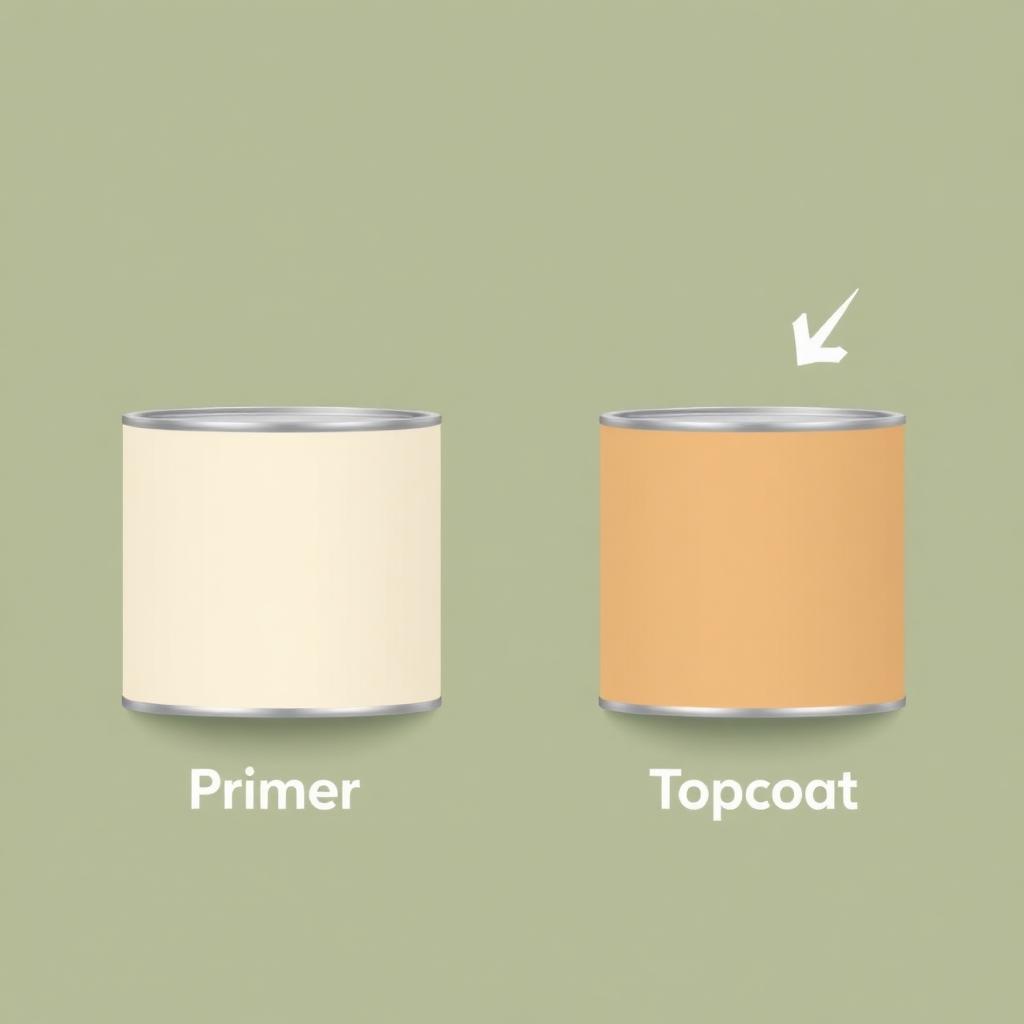
Primer is the sealing base coat that bonds to the surface and creates a uniform foundation for topcoat. It costs less, dries fast, and prevents most paint failures. Here's exactly when you need it.
Always prime these surfaces
- New drywall (uses PVA primer)
- Bare wood, fresh wood patches
- Patched holes and skim-coated areas
- Stained surfaces (water, smoke, ink)
- Glossy surfaces being repainted
- Going from very dark to very light (or vice versa)
Skip primer when
- Repainting same or similar color over previously painted, clean walls
- Using a premium paint-and-primer-in-one within similar colors
- Touching up small areas with leftover paint
Paint-and-primer-in-one: the truth
These products are great for going repaint-to-repaint in the same color family. They are NOT real primer — they won't seal new drywall, hide stains, or grip glossy surfaces. Read marketing claims carefully.
Tinted primer trick
When going light to dark, ask the store to tint your primer 50% toward your final color. This often cuts a coat off the topcoat — paying back the primer cost.
Toggle 'include primer' in the calculator to see how much extra it adds to your project cost.
Open the Paint CalculatorGet more guidance like this in your inbox
Weekly emergency-fund tactics, milestone checklists, and the next article — delivered free.
Estimate your paint project in seconds
Get exact gallons, primer, and total project cost — interior or exterior — with our free Paint Calculator.
Open the Paint Calculator