How to Paint Kitchen Cabinets (Without Hating the Result)
Cabinet painting is a multi-day project that goes wrong fast. Here's the order pros use to get a factory-smooth finish.
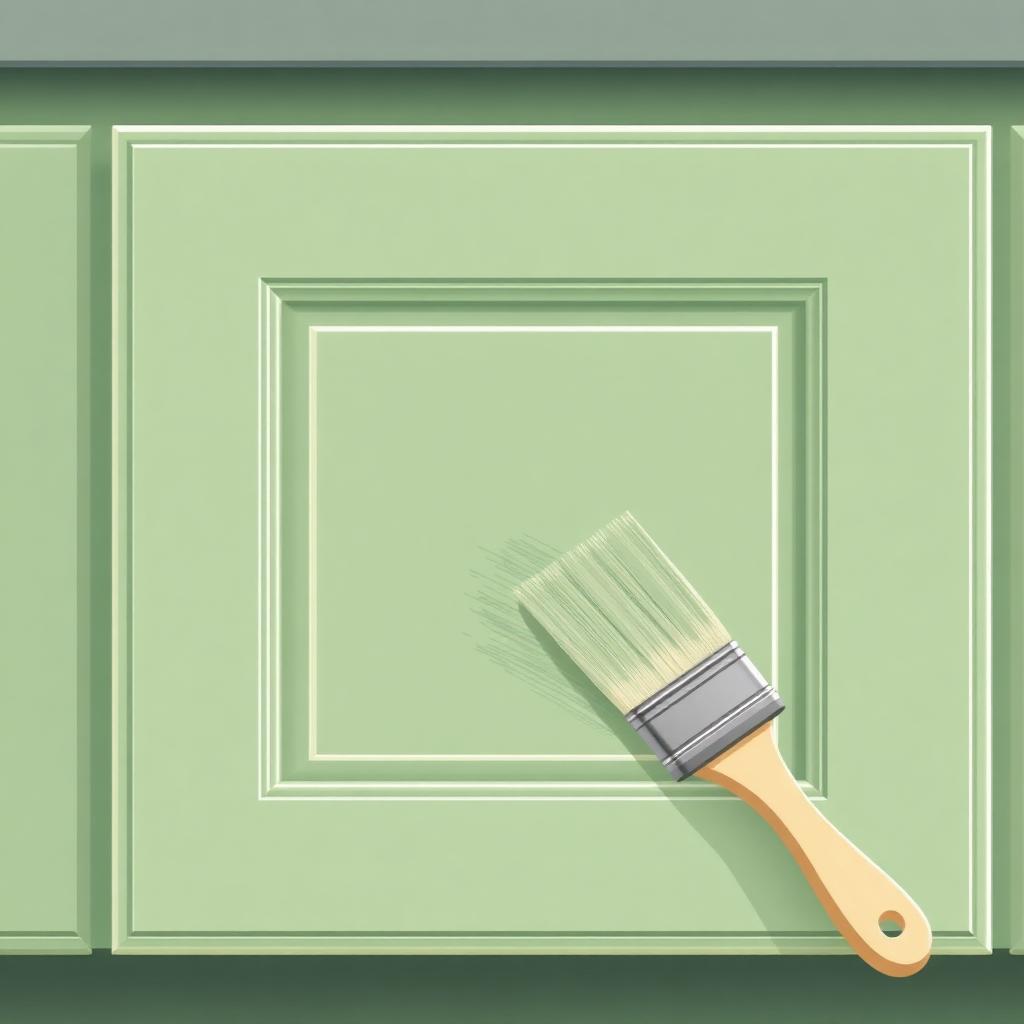
Repainting kitchen cabinets is one of the highest-ROI projects in a home — and one of the most commonly botched. The job takes 3–5 days and demands patience between every coat. Skip a step and the finish chips within a year.
Day 1: Disassemble and degrease
Remove all doors, drawers, and hardware. Label everything (painter's tape on the back of each door). Degrease every surface with TSP or a strong degreaser — kitchen grease is the #1 cause of cabinet paint failure.
Day 2: Sand and prime
Sand all surfaces with 220-grit. You're not removing the old finish — just scuffing it. Wipe with a tack cloth. Apply one coat of bonding primer (Zinsser BIN or Stix). Let dry overnight.
Day 3: First topcoat
Use alkyd enamel or a high-grade acrylic cabinet paint (Benjamin Moore Advance, Sherwin-Williams Emerald Urethane). Brush and roll with a foam roller for smoothness. Let cure for 24 hours minimum.
Day 4: Light sand and second coat
Light sand with 320-grit, tack cloth, then apply the second coat. The sanding step is what separates 'painted cabinets' from 'looks like new cabinets.'
Day 5: Cure and reassemble
Cabinet paint takes 5–7 days to fully cure. You can rehang doors after 24 hours, but avoid heavy use for a week. Add bumpers to prevent the new finish from sticking.
Estimate cabinet paint by entering linear feet of cabinet face in the trim input — 1 gallon covers ~100 linear feet.
Open the Paint CalculatorCost comparison
- DIY: $200–$500 in paint, primer, tools
- Pro spray finish: $3,000–$8,000
- Full cabinet replacement: $15,000+
Get more guidance like this in your inbox
Weekly emergency-fund tactics, milestone checklists, and the next article — delivered free.
Estimate your paint project in seconds
Get exact gallons, primer, and total project cost — interior or exterior — with our free Paint Calculator.
Open the Paint Calculator