How to Paint Trim and Doors for a Factory-Smooth Finish
Trim is what your eyes notice. Here's how to paint it crisp, smooth, and durable.
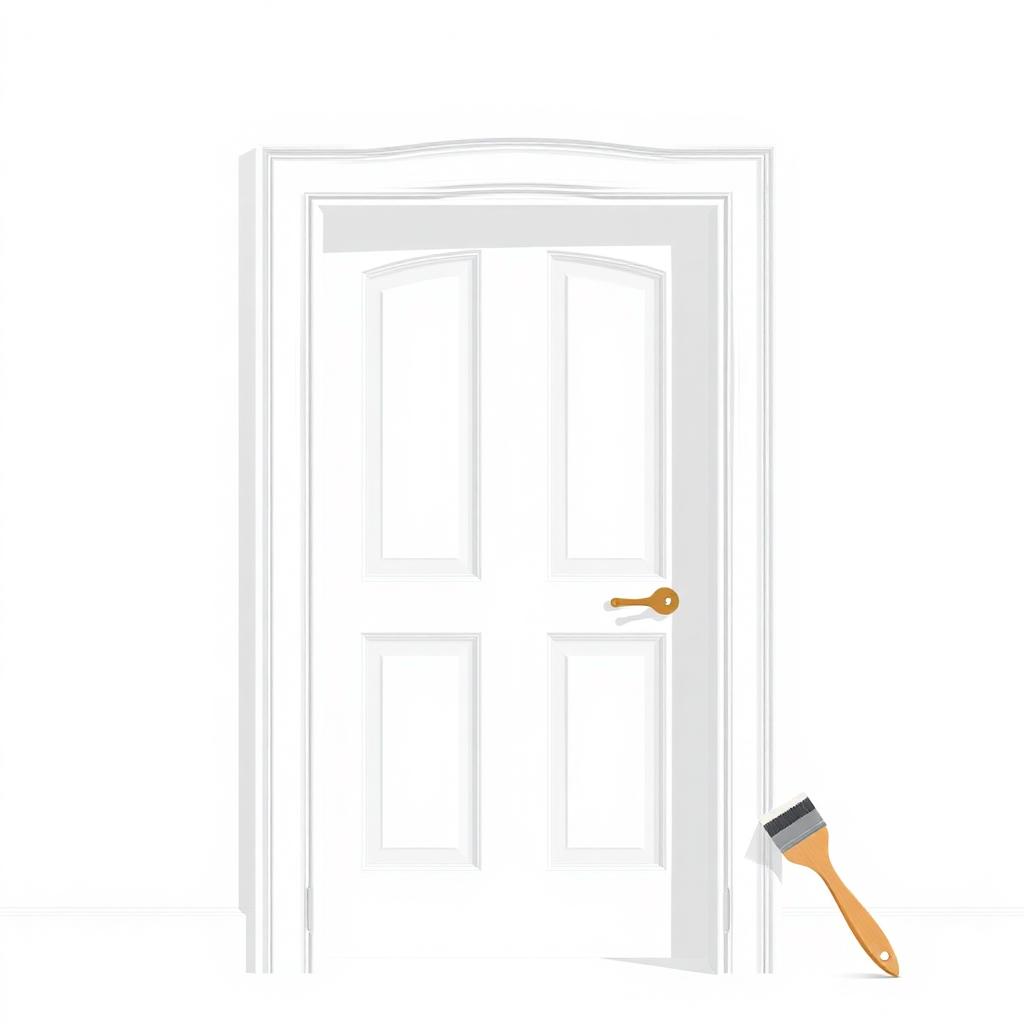
Walls are forgiving; trim is not. Drips, brush marks, and uneven sheen jump out from across the room. The good news: trim is small. A patient afternoon produces results that look like new construction.
Choose the right paint
Semi-gloss is the gold standard for trim. Alkyd enamel (water-based hybrid) levels best and resists yellowing. Benjamin Moore Advance and Sherwin-Williams Emerald Urethane are pro favorites.
Prep matters more than paint
- Clean trim with a damp cloth
- Sand lightly with 220-grit to scuff the existing finish
- Caulk gaps between trim and wall with paintable caulk
- Fill nail holes with wood filler, sand smooth
- Tack cloth to remove all dust
Tape technique
Apply blue painter's tape along walls and floor. Press the edge with a putty knife so paint can't seep under. Remove tape while the last coat is still slightly tacky — pulling dry tape can chip your fresh finish.
Brush technique
Use a 2-inch angled sash brush ($15+ Purdy or Wooster). Load only the bottom third of bristles. Apply with the wood grain in long, smooth strokes. Two coats minimum, with light sanding between.
Enter trim linear feet and width in the calculator to estimate dedicated trim paint separately.
Open the Paint CalculatorDoors: the order that matters
- Panels first (recessed areas)
- Vertical edges of panels
- Horizontal edges (top and bottom)
- Stiles (vertical sides)
- Rails (top, middle, bottom horizontals)
Get more guidance like this in your inbox
Weekly emergency-fund tactics, milestone checklists, and the next article — delivered free.
Estimate your paint project in seconds
Get exact gallons, primer, and total project cost — interior or exterior — with our free Paint Calculator.
Open the Paint Calculator