Patio vs Deck: 2026 Cost, ROI, and Lifespan
The trade-off between a patio and a deck on cost, upkeep, and resale.
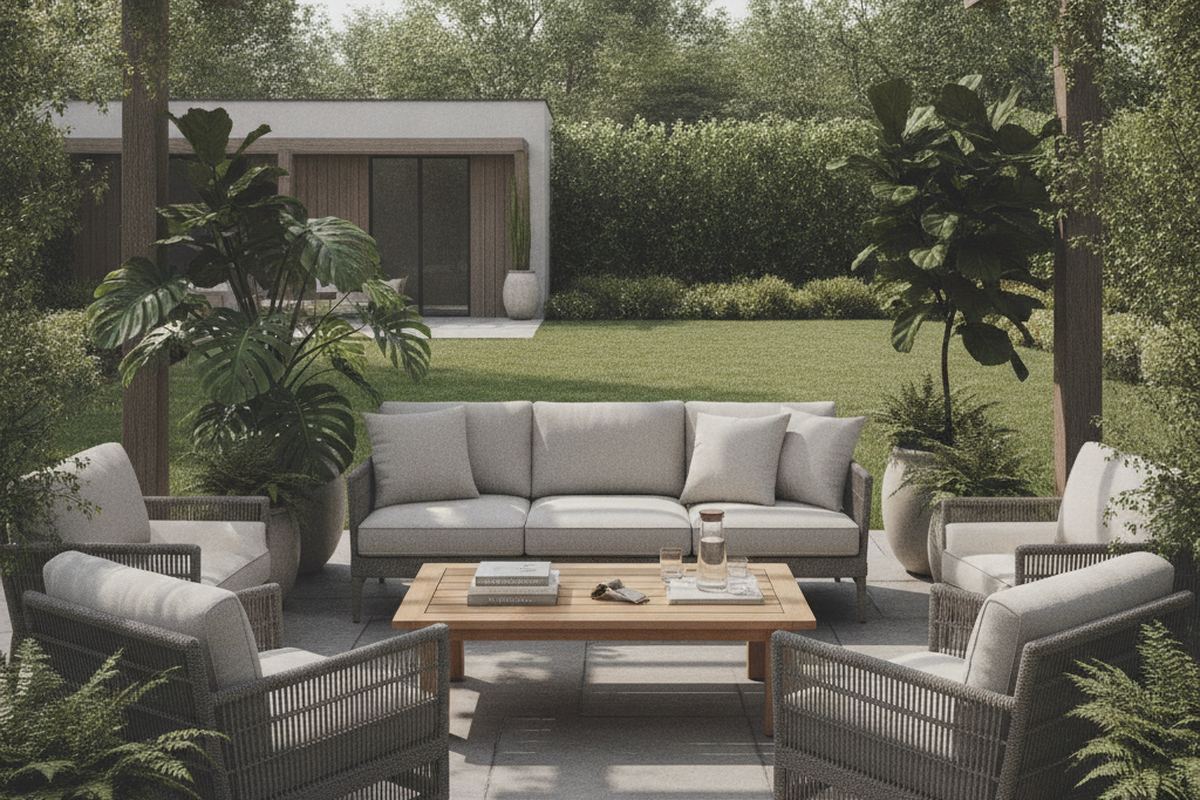
Deciding between a patio and a deck is a common dilemma for homeowners looking to enhance their outdoor living space. Both options offer distinct advantages in terms of aesthetics, functionality, and how they integrate with your home and yard. Understanding the financial implications, maintenance requirements, and potential return on investment for each choice is crucial. This guide provides a detailed comparison to help you make an informed decision for your property in 2026.
Initial Installation Costs for 2026
The upfront cost of installing a patio versus a deck can vary significantly based on materials, size, and labor rates in your region. For 2026, a basic concrete patio might range from $10 to $25 per square foot, while more elaborate pavers or natural stone could push costs to $25 to $60 per square foot. A typical 300-square-foot patio could therefore cost between $3,000 and $18,000, excluding site preparation or complex designs.
Decks, especially those built with pressure-treated lumber, typically start around $25 to $40 per square foot. Composite decking, known for its durability and low maintenance, often ranges from $40 to $70 per square foot. A 300-square-foot deck might cost $7,500 to $21,000 for wood, or $12,000 to $35,000 for composite, not including railings, stairs, or multi-level designs. Elevated decks or those requiring extensive structural work will incur higher expenses.
Material Choices and Their Impact on Budget
Patios offer a wide array of material options, each with a different price point and aesthetic. Concrete is the most economical, offering versatility in stamping and coloring. Interlocking pavers provide a more refined look and easier repair, though at a higher initial cost. Natural stone, such as flagstone or bluestone, represents the premium end, prized for its unique beauty and longevity.
Decking materials also span a broad cost and maintenance spectrum. Pressure-treated pine is the most budget-friendly wood option but requires regular sealing and staining. Cedar and redwood are more naturally resistant to rot and insects but come at a higher price. Composite decking, made from recycled plastics and wood fibers, is a popular choice for its minimal maintenance and long lifespan, despite a higher initial investment.
- Concrete Patio: $10 - $25 per sq ft
- Paver Patio: $25 - $45 per sq ft
- Natural Stone Patio: $35 - $60+ per sq ft
- Pressure-Treated Wood Deck: $25 - $40 per sq ft
- Composite Deck: $40 - $70+ per sq ft
Maintenance Requirements and Long-Term Costs
Patios generally require less maintenance than wood decks. Concrete patios need occasional cleaning and sealing every few years to prevent cracking and staining. Paver patios may require periodic sweeping of sand between joints and weed removal. Natural stone is very durable but can also benefit from sealing to protect against stains and weather. The long-term costs for patios are typically lower, focusing on cleaning supplies and sealants.
Wood decks, particularly those made from pressure-treated lumber, demand more regular attention. This includes annual cleaning, and re-sealing or re-staining every 2-3 years to protect against rot, mildew, and UV damage. Failure to maintain a wood deck can significantly shorten its lifespan. Composite decks are the exception, needing only occasional washing with soap and water, making their long-term maintenance costs considerably lower.
Build a phased landscaping budget — hardscape, softscape, irrigation — that fits your yard.
Open the Landscaping Budget PlannerLifespan and Durability Comparisons
A well-installed and properly maintained patio can last for many decades, often exceeding 25-50 years, depending on the material. Concrete patios are robust, and paver or natural stone patios are exceptionally durable, showing little wear over time. Their ground-level construction inherently protects them from many environmental stresses that affect elevated structures.
The lifespan of a deck is more variable. Pressure-treated wood decks typically last 15-20 years with diligent maintenance. Higher-quality woods like cedar or redwood might extend to 20-30 years. Composite decks are designed for longevity, commonly offering warranties of 25-30 years, and often performing well beyond that timeframe due to their resistance to rot, insects, and fading. Replacement costs for decks can be substantial.
Return on Investment (ROI) and Resale Value
Both patios and decks can enhance a home's value and appeal to potential buyers. A well-designed outdoor living space is a significant selling point. For 2026, a new patio might recoup 30% to 60% of its cost upon resale, with higher-end materials and thoughtful integration into the landscape yielding better returns. Patios are often seen as a permanent, low-maintenance fixture.
Decks tend to offer a slightly higher ROI, with national averages for a new wood deck often ranging from 40% to 70% of the project cost recovered. Composite decks, despite their higher initial cost, can sometimes achieve similar or even slightly better ROI due to their perceived low maintenance. The key factor for both is quality construction and how well the outdoor space complements the home's overall design and functionality.
Design Flexibility and Usage Considerations
Patios offer excellent design flexibility, allowing for curved shapes, intricate patterns with pavers, and seamless integration with existing landscaping. They are ideal for creating distinct outdoor 'rooms' for dining, lounging, or fire pits. Since they are ground-level, patios often feel more connected to the garden and are easily accessible for all mobility levels.
Decks, especially elevated ones, provide opportunities to create multi-level spaces or extend living areas from upper floors. They can offer better views and are effective on sloped lots where a patio might require extensive grading. Decks often feel like an extension of the indoor living space, raised above the yard. Consider how you envision using the space and how it will interact with your home's architecture.
The bottom line
Ultimately, the choice between a patio and a deck depends on your specific needs, budget, aesthetic preferences, and the topography of your yard. Evaluate the long-term costs, maintenance commitments, and how each option aligns with your vision for outdoor living. Careful planning now will ensure your outdoor space provides enjoyment and value for years to come.
Get more guidance like this in your inbox
Weekly emergency-fund tactics, milestone checklists, and the next article — delivered free.
Run your own number
Get a personalized emergency fund target based on your income, expenses, and job stability.
Open the calculator