Paver Driveways: Are They Actually Worth the Cost?
The cost premium on paver driveways and where it earns back on resale.
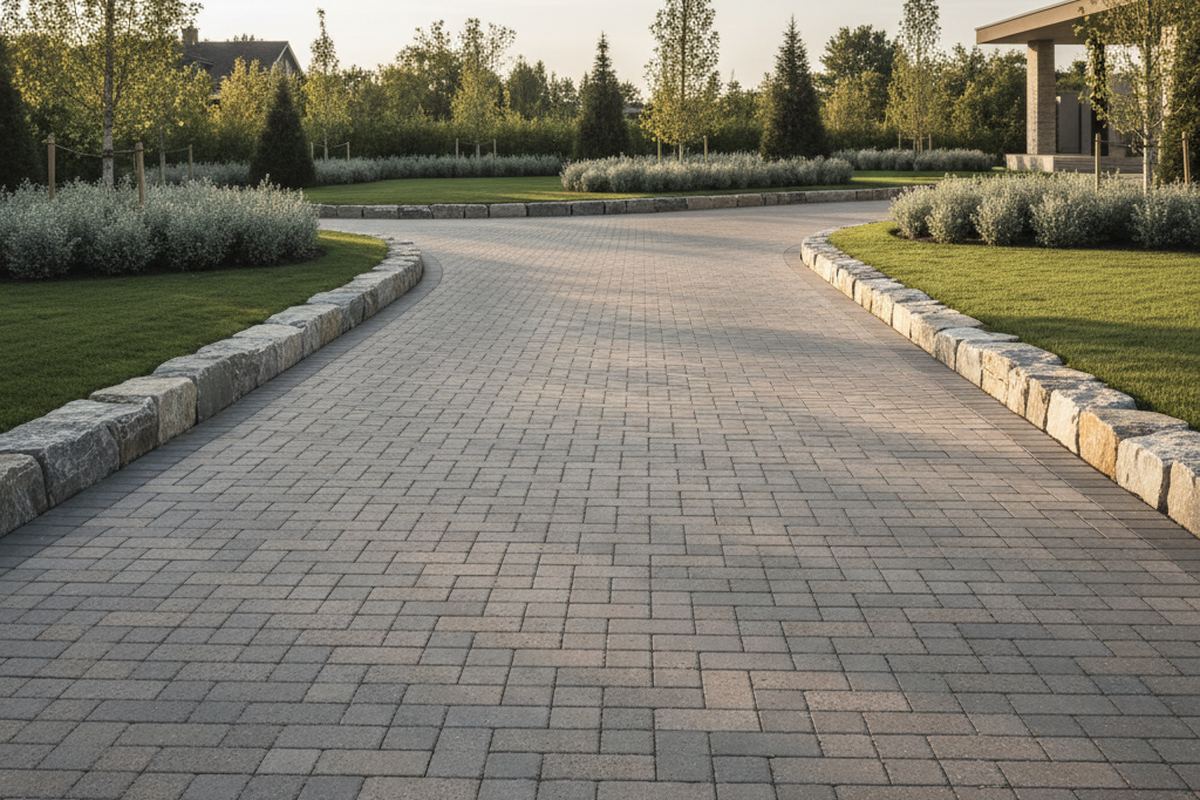
Considering a paver driveway for your home? Many homeowners are drawn to the aesthetic appeal and perceived durability of pavers compared to traditional asphalt or concrete. While the initial investment can be higher, understanding the long-term value, maintenance requirements, and potential resale impact is crucial. This article breaks down the financial considerations and practical aspects to help you decide if a paver driveway is the right choice for your property.
Understanding the Initial Investment for Pavers
The upfront cost of a paver driveway is typically higher than other materials. For 2026, expect to pay between $15 to $50 per square foot for materials and installation, depending on the paver type, complexity of the design, and local labor rates. This range encompasses basic concrete pavers to more intricate natural stone options. In contrast, asphalt might cost $4 to $8 per square foot, and concrete $6 to $15 per square foot.
This initial premium covers not just the pavers themselves, but also the extensive base preparation required. A stable, well-draining sub-base is critical for paver longevity, often involving several layers of aggregate and sand. Labor costs are also higher due to the meticulous hand-laying process, which directly impacts the overall project expense.
Long-Term Durability and Maintenance Savings
Pavers are renowned for their durability and resistance to cracking, which is a common issue with asphalt and concrete. Unlike solid slabs, pavers can shift slightly with ground movement without cracking, and individual units can be replaced if damaged. This inherent flexibility contributes to a longer lifespan, often exceeding 25-30 years with proper care, compared to 15-20 years for asphalt or concrete.
Maintenance for paver driveways is generally less intensive than other materials. While regular sweeping and occasional weed removal between joints are necessary, you avoid the need for sealcoating every 2-5 years as with asphalt, or crack filling and resurfacing common with concrete. This reduced need for professional interventions translates into notable long-term savings on maintenance costs.
Enhancing Curb Appeal and Property Value
A paver driveway significantly enhances a home's curb appeal, offering a more upscale and custom look than uniform surfaces. The variety of colors, shapes, and patterns available allows for unique designs that complement architectural styles, from traditional to contemporary. This aesthetic upgrade can make a strong first impression on potential buyers.
While it's difficult to pinpoint an exact percentage, a high-quality paver driveway is often considered a desirable upgrade that can increase property value. Homebuyers frequently appreciate features that combine durability with aesthetic appeal and low maintenance. This investment contributes to a home's perceived luxury and can help it stand out in a competitive real estate market.
- Wide range of design options
- Customizable patterns and colors
- Upscale appearance
- Positive impact on first impressions
Estimate driveway cost by material, size, and demo needs — before the contractor visit.
Open the Driveway Cost EstimatorAddressing Potential Drawbacks and Challenges
Despite their benefits, paver driveways do have some potential drawbacks. Weed growth between pavers can occur, especially in humid climates, requiring periodic clearing or the use of joint sand stabilizers. Settling or shifting of individual pavers can also happen over time if the base preparation was inadequate or if heavy loads are frequently applied to specific spots.
Another consideration is the initial installation complexity. DIY installation is possible for smaller, simpler projects, but larger or more intricate designs are best left to experienced professionals. Improper installation can lead to drainage issues, uneven surfaces, and premature failure, negating the long-term benefits and potentially requiring costly repairs.
Environmental Considerations and Permeability
Many paver options, particularly permeable pavers, offer environmental benefits. These designs allow rainwater to filter through the joints and into the ground below, reducing stormwater runoff and replenishing groundwater. This can be a significant advantage in areas with strict impervious surface regulations or where water conservation is a priority.
Choosing permeable pavers can also help mitigate heat island effects in urban areas, as they tend to absorb less heat than solid asphalt or concrete surfaces. While standard pavers are not inherently permeable, the option exists to select eco-friendly designs that contribute to a more sustainable landscape.
When a Paver Driveway Makes Financial Sense
A paver driveway is often worth the investment for homeowners who plan to stay in their home for many years, allowing them to fully realize the long-term durability and reduced maintenance costs. The enhanced curb appeal and potential increase in property value also make it a strong consideration for those looking to maximize their home's market appeal.
If your budget allows for the higher initial outlay and you prioritize a custom, high-end aesthetic, pavers are an excellent choice. Evaluate your local climate, soil conditions, and maintenance preferences to ensure this material aligns with your lifestyle and property goals. For a detailed estimate, consider using a driveway cost calculator that accounts for material, labor, and specific project requirements.
The bottom line
Ultimately, the decision to install a paver driveway balances initial cost with long-term benefits. While the upfront expense is higher, the durability, low maintenance, and significant aesthetic appeal can provide substantial returns over the lifespan of your home. Carefully weigh these factors against your budget and priorities to make an informed choice.
Get more guidance like this in your inbox
Weekly emergency-fund tactics, milestone checklists, and the next article — delivered free.
Run your own number
Get a personalized emergency fund target based on your income, expenses, and job stability.
Open the calculator