Permeable Paver Driveways: Cost, Benefits, and Rebates
Permeable pavers cost more upfront — the rebates and drainage upside.
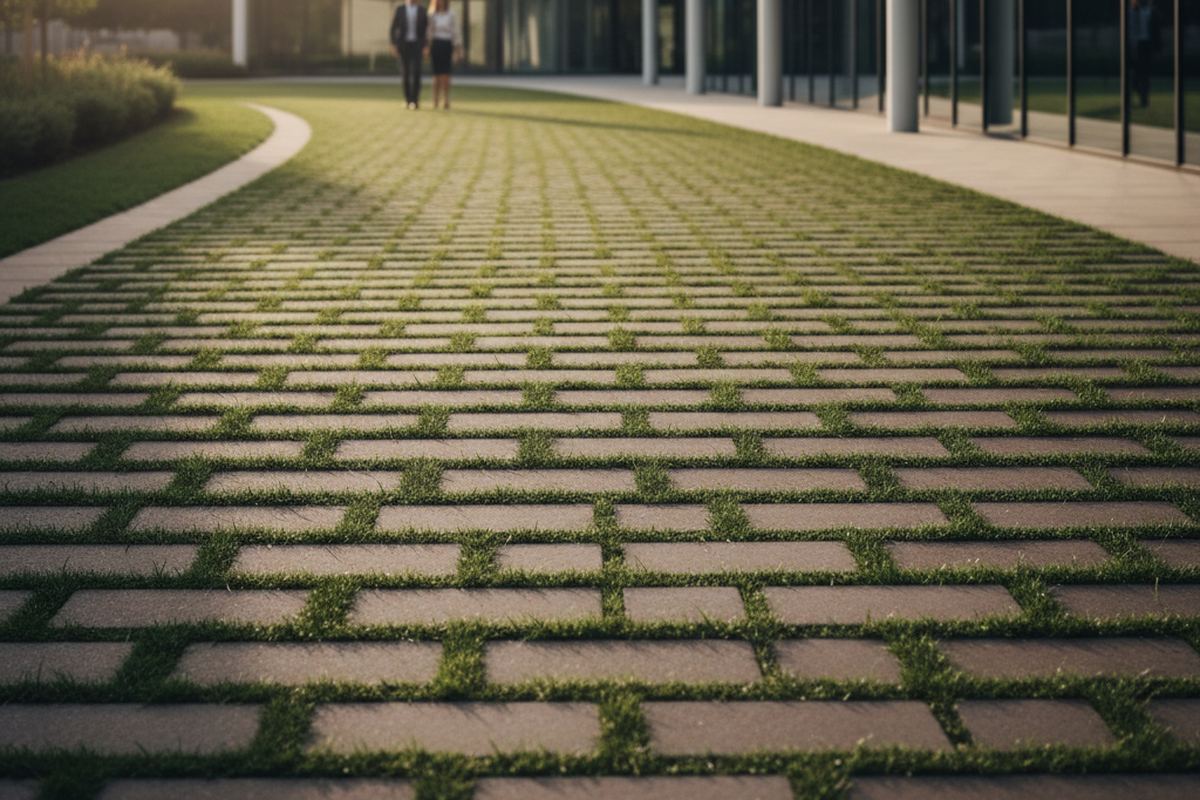
Considering a new driveway for your home? Permeable pavers offer a unique blend of aesthetic appeal, environmental responsibility, and long-term savings. Unlike traditional impervious surfaces, these innovative systems allow rainwater to filter through, reducing runoff and replenishing groundwater. Understanding the costs, benefits, and potential financial incentives can help you determine if permeable pavers are the right choice for your property.
Understanding Permeable Paver Systems
Permeable paver systems are designed with gaps or voids between individual paving units, which are filled with small aggregate. This design allows water to percolate through the surface and into a gravel base layer below, where it is either stored and slowly released into the soil or directed to a drainage system. The construction typically involves multiple layers: a surface layer of permeable pavers, an aggregate base, and often a geotextile fabric to prevent soil migration.
The effectiveness of a permeable system lies in its ability to manage stormwater on-site, reducing the burden on municipal storm drains and preventing erosion. Beyond the environmental benefits, these systems can help maintain a more stable ground temperature and reduce the heat island effect often associated with large areas of impervious concrete or asphalt. Their modular design also simplifies repairs, as individual pavers can be replaced if damaged.
Permeable Paver Installation Costs
The upfront cost of permeable paver driveways is generally higher than traditional asphalt or concrete. For 2026, homeowners can expect to pay between $10 to $30 per square foot for materials and installation. This range accounts for variations in paver type, design complexity, site preparation requirements, and local labor rates. The extensive excavation and layering needed for proper drainage contribute significantly to the overall expense.
For a typical two-car driveway, roughly 400 square feet, the total cost could range from $4,000 to $12,000. This is a substantial investment compared to a conventional concrete driveway, which might cost $4 to $8 per square foot, or an asphalt driveway at $3 to $6 per square foot. However, the long-term benefits and potential rebates can offset this initial difference.
Long-Term Financial and Environmental Benefits
While the initial outlay is higher, permeable pavers offer several long-term financial advantages. Reduced stormwater runoff can alleviate pressure on drainage systems, potentially decreasing the risk of localized flooding and water damage to your property. Some municipalities also charge stormwater utility fees based on the amount of impervious surface on a property; permeable pavers can help reduce or eliminate these charges.
Environmentally, permeable pavers are a sustainable choice. They help recharge groundwater, filter pollutants from stormwater, and reduce the heat island effect. By managing rainwater on-site, they contribute to healthier local ecosystems and can improve water quality in nearby streams and rivers. The durability of quality pavers also means a longer lifespan compared to asphalt, reducing replacement frequency.
Estimate driveway cost by material, size, and demo needs — before the contractor visit.
Open the Driveway Cost EstimatorUnderstanding Available Rebates and Incentives
Many local and state governments, as well as water utilities, offer rebates or incentives for installing permeable surfaces. These programs aim to encourage sustainable stormwater management practices. For 2026, incentives can vary widely, from direct rebates per square foot installed to grants covering a percentage of the project cost. Researching programs in your specific area is crucial.
For example, some cities might offer a rebate of $1 to $5 per square foot for permeable driveway installations, significantly reducing your net cost. Others may provide property tax credits or low-interest loans for green infrastructure improvements. Checking with your local municipality's public works department, water utility, or environmental agencies will provide the most accurate and up-to-date information on available incentives.
- Check local city or county government websites for stormwater management programs.
- Contact your regional water utility for potential rebate opportunities.
- Inquire with state environmental protection agencies for broader green infrastructure grants.
- Look for information on property tax benefits related to sustainable landscaping.
Maintenance Requirements for Permeable Pavers
Proper maintenance is essential to ensure the long-term effectiveness of a permeable paver driveway. The primary maintenance task involves preventing the spaces between pavers from becoming clogged with sediment, leaves, or other debris. Regular sweeping or vacuuming with specialized equipment is recommended to keep the aggregate clear and allow water to infiltrate freely.
It is also important to avoid using sand or fine gravel as an infill material, as these can impede permeability. For optimal performance, the joints should be replenished with the appropriate aggregate as needed, typically every few years. Proper maintenance ensures the system continues to manage stormwater effectively and extends the lifespan of your investment.
Choosing the Right Permeable Paver Type
A variety of permeable paver types are available, each with different aesthetics, durability, and cost implications. Concrete grid pavers are a common choice, offering robust support and large void spaces for water infiltration. Permeable interlocking concrete pavers (PICP) are another popular option, designed with specific spacer bars to create consistent gaps for aggregate infill.
Other options include permeable asphalt and permeable concrete, which incorporate larger aggregate and less fine material to allow water passage. The best choice for your home will depend on your local climate, soil conditions, aesthetic preferences, and budget. Consulting with a qualified installer can help you navigate these choices and select a system best suited for your property.
The bottom line
Permeable paver driveways represent a forward-thinking investment in your home and the environment. While the initial cost may be higher, the long-term benefits of stormwater management, potential utility savings, and available rebates can make them a financially sound and eco-conscious choice. Carefully evaluate your local incentives and project requirements to make an informed decision.
Get more guidance like this in your inbox
Weekly emergency-fund tactics, milestone checklists, and the next article — delivered free.
Run your own number
Get a personalized emergency fund target based on your income, expenses, and job stability.
Open the calculator