Natural Pest Control in the Garden: What Works in 2026
The natural pest controls that actually work and the ones that just look nice.
Cultivating a thriving garden often means contending with unwanted visitors. While chemical solutions offer a quick fix, many homeowners prefer natural methods to protect their plants, soil, and local ecosystem. Understanding which natural pest control strategies are genuinely effective can save you time, effort, and your harvest. This guide explores proven techniques and clarifies common misconceptions, helping you maintain a healthy garden without harsh chemicals.
Embrace Diversity with Companion Planting
Companion planting is an ancient practice that leverages beneficial interactions between different plant species. Certain plants can deter pests, attract beneficial insects that prey on pests, or improve soil health for their neighbors. For instance, planting marigolds around vegetable beds can repel nematodes and other ground pests, while nasturtiums act as a trap crop, luring aphids away from more desirable plants.
When planning your garden layout for 2026, consider the specific needs of your vegetables and the pests they commonly face. For example, basil planted near tomatoes can improve their flavor and repel tomato hornworms and flies. Carrots and rosemary are good companions, as rosemary deters the carrot rust fly. A diverse garden ecosystem is more resilient and less prone to widespread pest infestations.
Harness the Power of Beneficial Insects
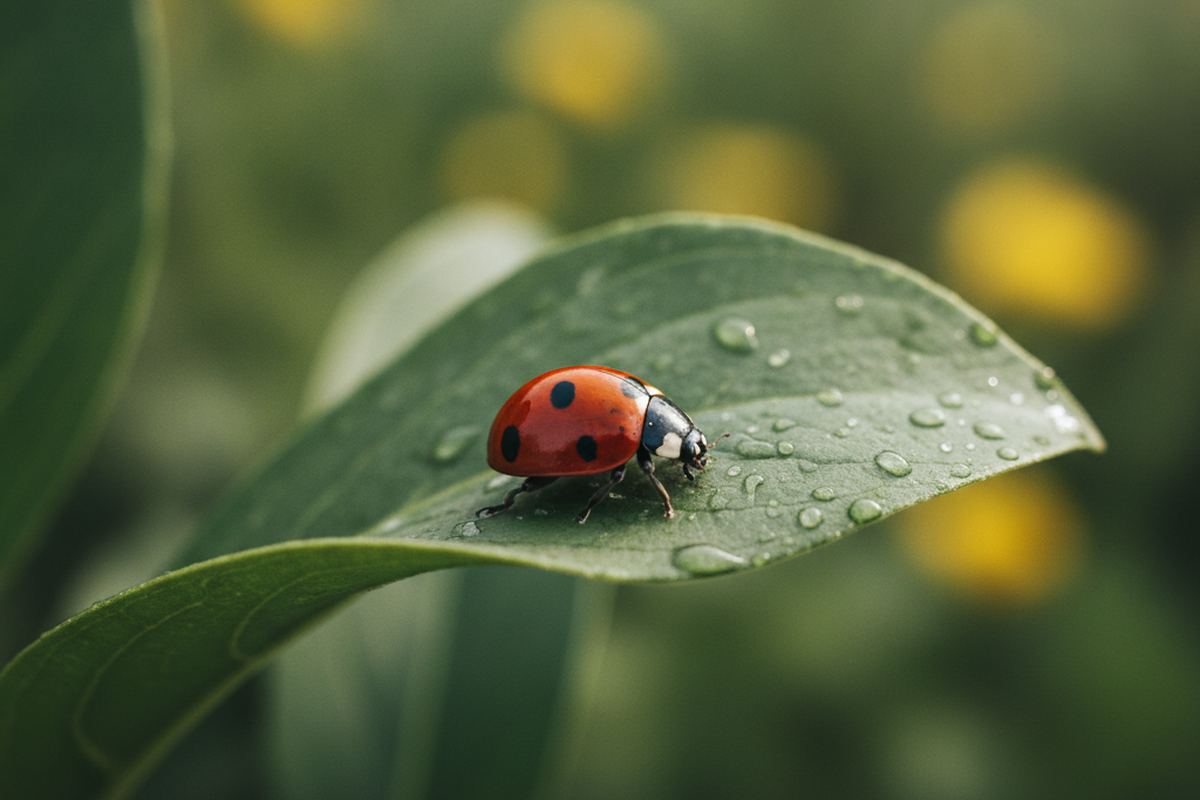
Introducing beneficial insects into your garden is a highly effective, natural pest control strategy. These insects, such as ladybugs, lacewings, and parasitic wasps, prey on common garden pests like aphids, mites, and caterpillars. You can attract them by planting a variety of flowering plants that provide nectar and pollen, which are essential food sources for adult beneficials.
Consider creating a 'pollinator garden' section with plants like dill, fennel, cilantro, and cosmos. Many garden centers also offer beneficial insects for purchase, though ensuring they have a suitable habitat to stay in your garden is crucial for long-term success. A healthy population of beneficial insects can significantly reduce pest pressure without human intervention.
Physical Barriers and Traps for Targeted Protection
Sometimes the simplest solutions are the most effective. Physical barriers can prevent pests from reaching your plants in the first place. Row covers made from fine mesh fabric can protect young seedlings from flying insects like cabbage moths and flea beetles, allowing sunlight and water to pass through while blocking pests. Ensure the covers are securely anchored to prevent pests from crawling underneath.
Various traps can also be highly effective for specific pests. Yellow sticky traps are excellent for monitoring and capturing whiteflies, thrips, and fungus gnats. Pheromone traps can target specific moth species, disrupting their breeding cycles. For slugs and snails, shallow dishes of beer or copper barriers around beds can provide effective control. Regularly checking and emptying traps is essential for their efficacy.
Plan a real garden — bed size, soil, mulch, and grocery-equivalent yield.
Open the Garden PlannerStrategic Watering and Pruning Practices
Your gardening habits play a significant role in pest management. Overwatering can lead to fungal issues and attract certain pests, while underwatering stresses plants, making them more susceptible to infestation. Aim for deep, infrequent watering early in the morning, which allows foliage to dry before nightfall, reducing the risk of fungal diseases. Good drainage is also critical.
Regular pruning helps remove diseased or infested plant parts, preventing the spread of pests and diseases. Improved air circulation through proper spacing and pruning also makes the environment less appealing to many common garden pests. Always sanitize your pruning tools between uses to avoid transferring pathogens from one plant to another.
Homemade Sprays and Organic Solutions
For localized pest outbreaks, several homemade and organic sprays can be effective. Neem oil, derived from the neem tree, acts as an insect repellent and growth disruptor for many pests, including aphids, spider mites, and whiteflies. It's generally safe for beneficial insects once dry. Always follow dilution instructions carefully, typically mixing 1-2 tablespoons per gallon of water, and apply in the evening.
Insecticidal soap, a mixture of mild soap and water, works by breaking down the waxy coating on soft-bodied insects, leading to dehydration. A basic recipe involves mixing 1-2 teaspoons of mild liquid dish soap (avoid detergents with degreasers) per gallon of water. Test any homemade spray on a small section of the plant first to ensure it doesn't cause damage.
- Neem oil: Apply every 7-14 days for active infestations.
- Insecticidal soap: Use every 5-7 days until pests are controlled.
- Garlic or chili pepper spray: Can deter some chewing insects; reapply after rain.
Soil Health: The Foundation of Pest Resistance
A healthy garden starts with healthy soil. Nutrient-rich, well-aerated soil promotes strong plant growth, making plants naturally more resistant to pests and diseases. Incorporate plenty of organic matter, such as compost and aged manure, into your garden beds. This improves soil structure, water retention, and provides essential nutrients that support a vibrant microbial ecosystem.
Avoid synthetic fertilizers that can lead to excessive, tender growth, which is often more attractive to pests. Instead, focus on slow-release organic amendments that nourish the soil and plants gradually. Regularly testing your soil can help you understand its composition and nutrient deficiencies, allowing you to make targeted improvements that bolster your garden's overall resilience.
The bottom line
Adopting natural pest control methods requires observation, patience, and a holistic approach to gardening. By integrating companion planting, encouraging beneficial insects, utilizing physical barriers, and maintaining excellent plant and soil health, you can significantly reduce pest problems. A balanced ecosystem is your best defense, leading to a more sustainable and productive garden for years to come.
Get more guidance like this in your inbox
Weekly emergency-fund tactics, milestone checklists, and the next article — delivered free.
Run your own number
Get a personalized emergency fund target based on your income, expenses, and job stability.
Open the calculator