Pest Prevention Maintenance (The 6 Entry Points to Seal)
The 6 entry points that let pests into your home — and how to seal them once and for all.
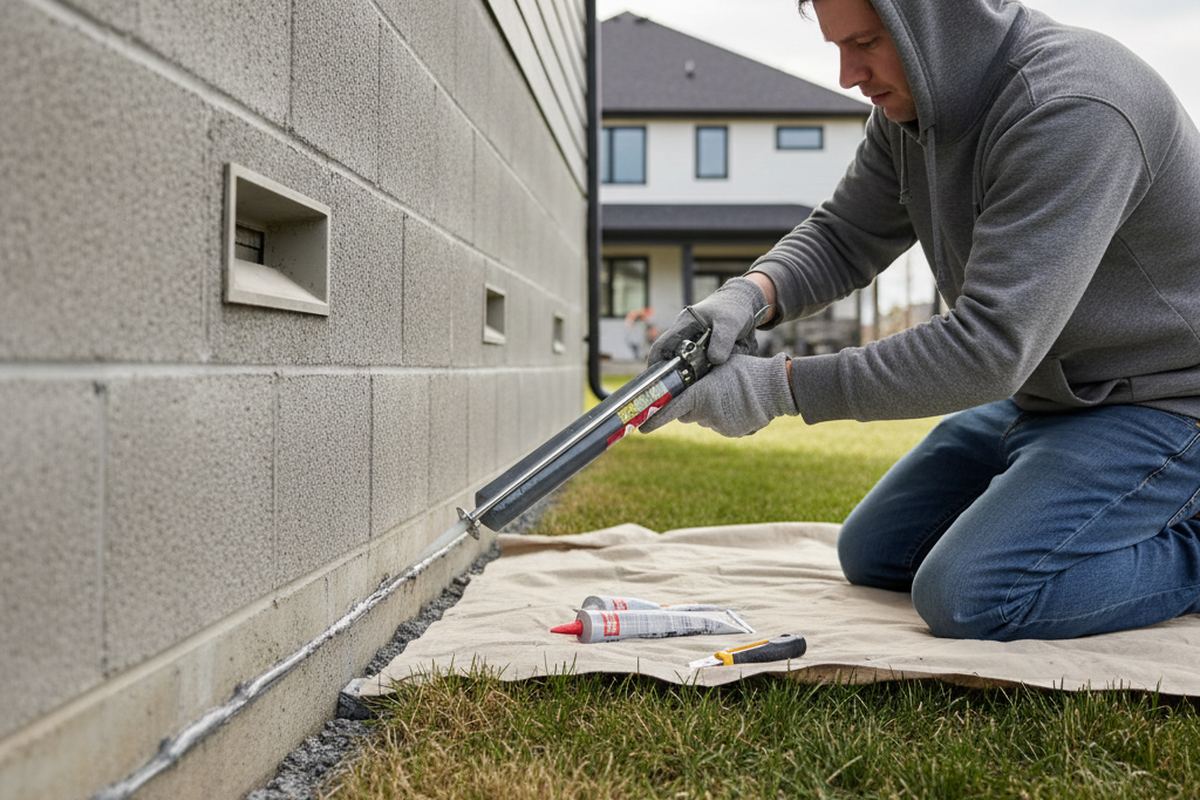
Protecting your home from pests is a proactive measure that safeguards both your property and your family's health. Many homeowners underestimate the financial impact of pest infestations, which can range from minor annoyances to significant structural damage. Establishing a preventative maintenance routine to seal common entry points is a cost-effective strategy. This approach minimizes the need for expensive extermination services and helps maintain your home's integrity over time.
Sealing Gaps Around Windows and Doors
Windows and doors, while essential for light and access, are prime entry points for pests if not properly sealed. Even small gaps around frames can allow insects, rodents, and other critters to infiltrate your living space. Inspect the caulk around your window frames and the weatherstripping on your doors annually, ideally in the spring or fall. Look for cracks, crumbling material, or areas where the seal has pulled away from the wall or frame.
To effectively seal these areas, remove old, worn caulk with a utility knife or caulk removal tool. Clean the surface thoroughly before applying new, high-quality exterior-grade caulk. For doors, replace any damaged or flattened weatherstripping. Consider installing door sweeps at the bottom of exterior doors to close the gap between the door and the threshold. These simple actions create a much more formidable barrier against unwanted guests.
- Inspect caulk and weatherstripping annually.
- Replace old caulk with exterior-grade caulk.
- Install or replace door sweeps as needed.
Maintaining Your Foundation and Exterior Walls
The foundation and exterior walls of your home are its primary defense against the elements and pests. Cracks in the foundation, gaps in siding, or openings around utility penetrations can provide easy access. Regularly walk around your home's perimeter and inspect for any visible damage. Pay close attention to areas where different materials meet, such as where the siding meets the foundation or around pipes and wires entering the house.
Small cracks in the foundation can often be repaired with hydraulic cement, which expands as it dries to fill the void. For gaps in siding or around utility lines, use a durable, pest-resistant sealant. Steel wool can be packed into larger holes before sealing to deter rodents. Addressing these structural vulnerabilities not only keeps pests out but also contributes to your home's energy efficiency and overall longevity.
- Inspect foundation and siding for cracks or gaps.
- Seal foundation cracks with hydraulic cement.
- Use pest-resistant sealant for exterior wall penetrations.
Securing Roof and Chimney Openings
Pests like squirrels, raccoons, and birds often gain entry through compromised areas on your roof or chimney. Damaged or missing shingles, deteriorated flashing, and unsealed chimney caps are common culprits. Conduct a visual inspection of your roof from the ground with binoculars, or safely access your roof if comfortable, at least once a year. Look for any signs of wear, tear, or dislodged components that could create an opening.
Ensure your chimney has a properly fitted cap with a mesh screen to prevent animals from entering while still allowing smoke to escape. Repair or replace any loose or broken shingles promptly. Check the flashing around vents, skylights, and the chimney for gaps. Use a high-quality roofing sealant or mastic to seal any small openings. These preventative measures protect against pest intrusion and water damage.
See what to set aside every month for home maintenance — with the 1% and $1/sq ft rules and age adjustments.
Open the Home Maintenance Budget CalculatorProtecting Vents and Exhaust Openings
Your home has various vents for dryer exhaust, bathroom fans, and attic ventilation. While necessary for air circulation, these openings can become pest entry points if not properly protected. Many vents come with flimsy screens that can be easily dislodged or chewed through by rodents. Regularly inspect all exterior vents for damage or missing covers.
Upgrade to durable metal mesh screens for all vulnerable vents. Dryer vents should have covers that open when the dryer is in use and close securely afterward. Ensure attic and crawl space vents are intact and properly screened to prevent larger animals from nesting. Replacing or reinforcing these screens is a relatively inexpensive task that can prevent significant headaches down the line.
- Regularly inspect all exterior vents.
- Replace flimsy screens with durable metal mesh.
- Ensure dryer vent covers close securely.
Addressing Gaps Around Pipes and Wires
Anywhere a pipe or wire enters your home, there's a potential gap for pests. This includes plumbing lines under sinks, gas lines, electrical conduits, and cable wires. Even small openings can be exploited by insects and rodents looking for shelter or food. Inspect these areas both inside and outside your home, paying close attention to utility rooms, basements, and kitchens.
For interior gaps around pipes, use expanding foam sealant or caulk to fill the spaces. For exterior penetrations, apply a weather-resistant sealant or caulk. If the gap is larger, consider using steel wool packed tightly into the opening before applying sealant, as rodents cannot chew through it. Sealing these often-overlooked entry points significantly reduces pest access to your home's interior.
Managing Your Landscaping and Yard Debris
While not a structural entry point, your landscaping plays a critical role in pest prevention. Overgrown shrubs, tree branches touching your roof, and piles of yard debris all provide harborage and pathways for pests to reach your home. Keep vegetation trimmed back at least 1-2 feet from your home's foundation and walls. This prevents pests from easily climbing onto your house.
Remove leaf litter, woodpiles, and other debris from around your foundation. These materials create ideal nesting sites for rodents, insects, and other pests. Ensure rain gutters are clean and free-flowing to prevent water accumulation, which can attract mosquitoes and create damp conditions favorable to other pests. A well-maintained yard acts as an important buffer zone against pest invasions.
- Trim vegetation 1-2 feet from the foundation.
- Remove leaf litter and woodpiles near the house.
- Keep rain gutters clean and clear.
The bottom line
Proactive pest prevention through sealing entry points is an investment in your home's long-term health and value. By regularly inspecting and maintaining these six critical areas, you can significantly reduce the risk and cost associated with pest infestations. Incorporate these tasks into your annual home maintenance schedule to protect your property effectively.
Get more guidance like this in your inbox
Weekly emergency-fund tactics, milestone checklists, and the next article — delivered free.
Run your own number
Get a personalized emergency fund target based on your income, expenses, and job stability.
Open the calculator