The 3-Year Phased Landscaping Plan That Actually Works
How to phase a landscaping project over three years without wasting spend.
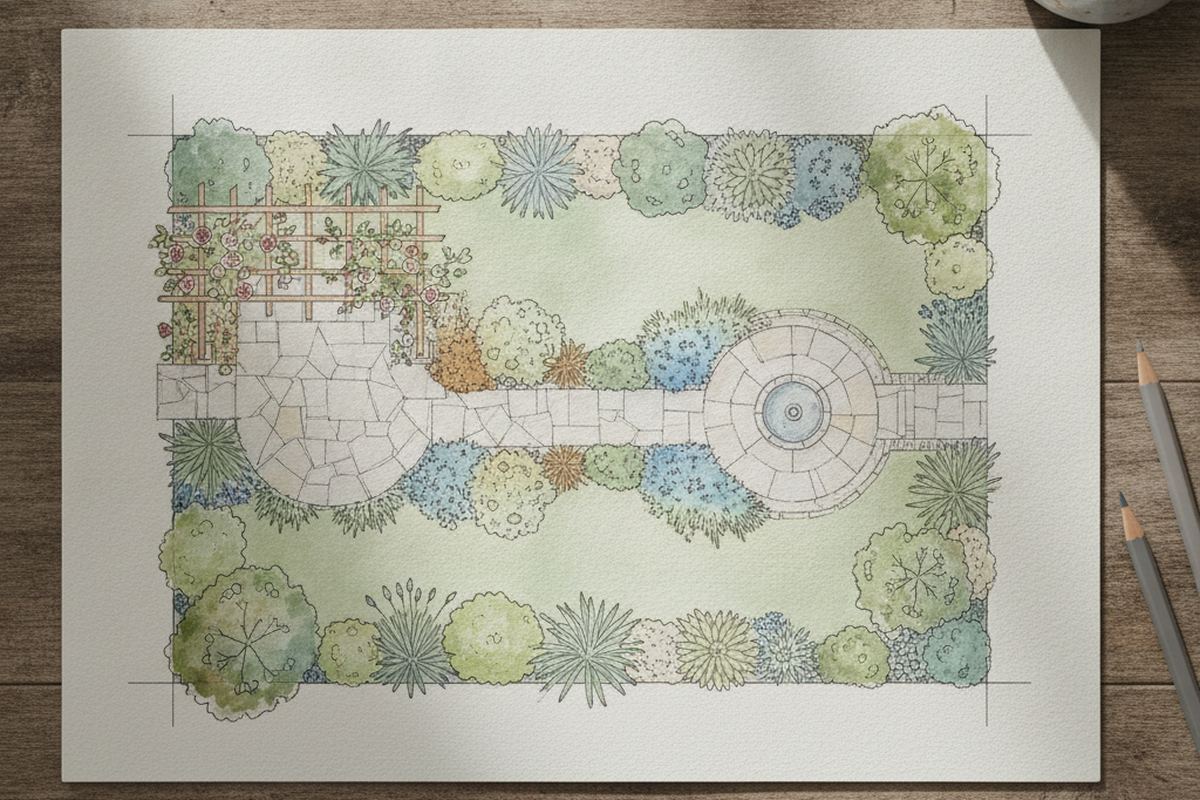
Undertaking a significant landscaping project can feel overwhelming, both in scope and cost. Many homeowners dream of a beautiful outdoor space but struggle with how to achieve it without draining their savings all at once. A phased approach, spread over several years, offers a practical solution. By breaking down the project into manageable stages, you can align your vision with your budget and resources, ensuring each step contributes effectively to the final outcome.
Why Phased Landscaping Makes Financial Sense
Spreading a large landscaping project over multiple years allows you to mitigate the immediate financial impact. Instead of a single, substantial outlay, you distribute costs, making it easier to absorb expenses within your annual budget. This approach can prevent the need for high-interest loans, preserving your financial health and reducing overall project costs by avoiding unnecessary debt.
A phased plan also provides flexibility. Market conditions for materials and labor can fluctuate. By not committing to all expenses upfront, you can adjust your strategy based on economic shifts, potentially securing better deals or delaying less critical elements if costs rise unexpectedly. This adaptability ensures your investment remains sound and efficient.
Year 1: Laying the Foundation and Essential Structures
The first year should focus on foundational elements and essential structures that are difficult or disruptive to add later. This typically includes grading, drainage solutions, and major hardscaping like patios, retaining walls, or primary pathways. Addressing these first prevents damage to later plantings and ensures a stable base for your entire landscape.
Consider utility installations as well, such as irrigation systems or outdoor lighting conduits. While you might not install all fixtures, running the necessary lines underground now saves significant effort and cost later. For a typical medium-sized yard, this foundational year might consume 40-50% of your total budget, potentially ranging from $8,000 to $25,000 depending on complexity and materials.
Year 2: Defining Spaces and Major Plantings
In the second year, shift your focus to defining distinct outdoor 'rooms' and incorporating larger plant material. This could involve constructing pergolas, gazebos, or outdoor kitchen frameworks. These elements provide structure and purpose to different areas of your yard, enhancing functionality and aesthetic appeal.
This is also the ideal time for major tree and shrub plantings. Larger specimens establish more quickly and provide immediate impact. Careful selection of mature plants can reduce the waiting time for your garden to fill in. Budget allocation for this year might be 30-40% of the total, approximately $6,000 to $20,000, depending on the scale of structures and plant choices.
Build a phased landscaping budget — hardscape, softscape, irrigation — that fits your yard.
Open the Landscaping Budget PlannerYear 3: Finishing Touches and Aesthetic Enhancements
The final year is dedicated to refining your landscape with smaller details and aesthetic enhancements that bring the entire vision together. This includes installing secondary pathways, planting perennials, annuals, and ground covers, and adding decorative elements like garden art or water features. These additions provide texture, color, and personal character to your space.
Consider installing or completing outdoor lighting, adding furniture, and mulching all beds. These elements elevate the overall ambiance and usability of your outdoor areas. This phase typically represents 10-20% of your total budget, likely in the range of $2,000 to $10,000, allowing for detailed customization and maintenance considerations.
Budgeting for Each Phase: A Practical Approach
Accurate budgeting is crucial for a successful phased plan. Start by getting detailed quotes for each component in your master plan. Break these down by year, allocating funds for materials, labor, and a contingency buffer (10-15% is advisable). Reviewing these estimates annually helps you stay on track and adjust for unforeseen costs or material price changes.
Consider the long-term value. Investing in quality materials and professional installation in earlier phases can save money on repairs and replacement down the line. For example, a well-installed irrigation system in Year 1 can protect your plant investment in Year 2 and 3, reducing future maintenance efforts and costs.
- Estimate costs for each major component.
- Allocate a 10-15% contingency fund per year.
- Prioritize elements that impact future phases.
- Re-evaluate budget annually for market shifts.
Maximizing Value Through Smart Material Choices
Selecting appropriate materials can significantly impact both the upfront cost and the long-term maintenance of your landscape. For hardscaping, consider durable, locally sourced options like natural stone or permeable pavers, which can offer longevity and reduce runoff. For plantings, choose native species that are well-adapted to your climate, as they generally require less water and care once established.
Explore options for buying in bulk during the appropriate season, especially for soil, mulch, or larger quantities of plants. Sometimes, landscape suppliers offer discounts for larger orders or during off-peak times. Reclaimed materials, such as bricks or wood, can also provide a cost-effective and unique aesthetic for certain elements like pathways or raised beds.
The bottom line
A multi-year landscaping plan empowers you to create the outdoor space you desire without financial strain. By thoughtfully planning each phase, prioritizing foundational elements, and making informed material choices, you can achieve a beautiful and functional landscape that enhances your home's value and your quality of life. This strategic approach ensures your investment yields lasting enjoyment.
Get more guidance like this in your inbox
Weekly emergency-fund tactics, milestone checklists, and the next article — delivered free.
Run your own number
Get a personalized emergency fund target based on your income, expenses, and job stability.
Open the calculator