Pollinator Gardens: Cost, Impact, and Plants That Work
How to build a pollinator garden that actually attracts bees and butterflies.
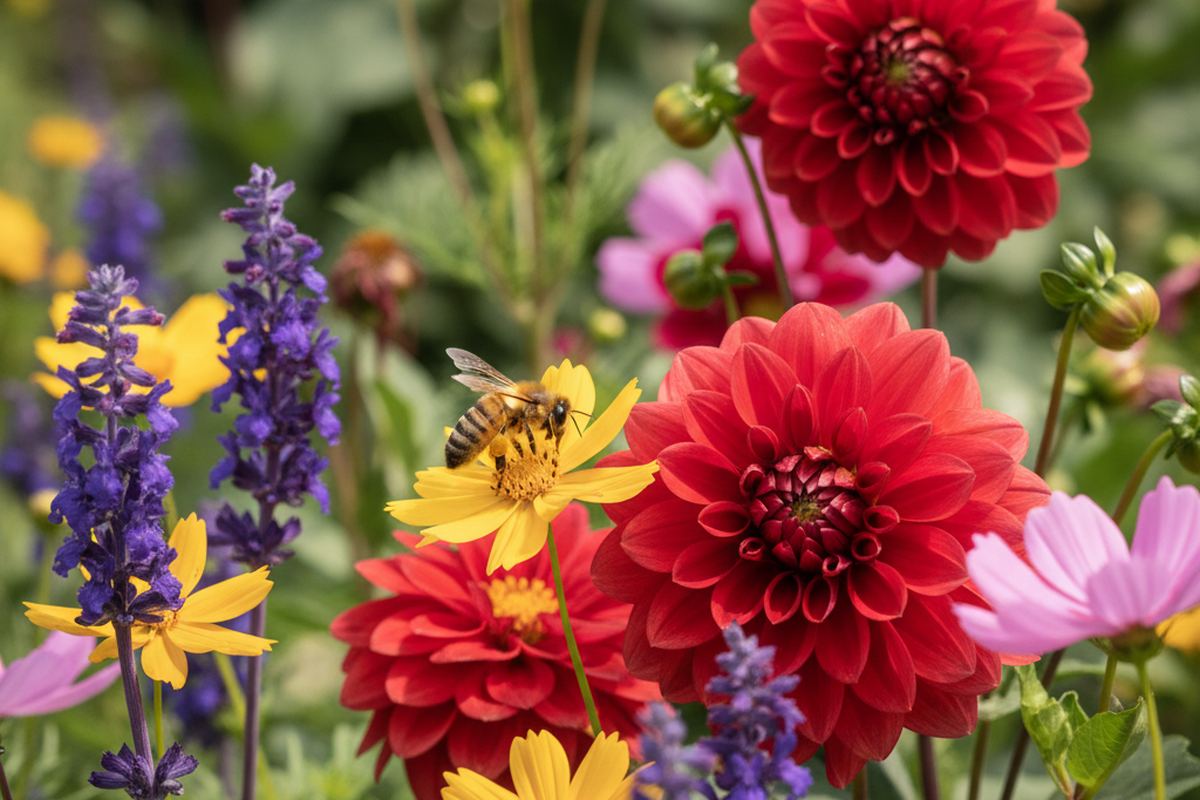
Creating a pollinator garden offers significant benefits for local ecosystems and can transform your outdoor space into a vibrant habitat. These gardens support bees, butterflies, and other essential pollinators, which are vital for plant reproduction and food production. Understanding the costs involved, the ecological impact, and selecting the right plants are key to establishing a thriving and effective pollinator haven. This guide will help you plan your garden to attract these beneficial insects while staying within your budget.
Understanding the Benefits of Pollinator Gardens
Pollinator gardens play a crucial role in supporting biodiversity. Bees, butterflies, moths, and hummingbirds facilitate the reproduction of over 75% of the world's flowering plants and approximately 35% of global food crops. By providing a consistent source of nectar and pollen, these gardens help sustain pollinator populations that are currently facing various threats, including habitat loss and pesticide use.
Beyond ecological advantages, a pollinator garden enhances the beauty and enjoyment of your property. Watching butterflies flit among colorful blooms and listening to the gentle hum of bees can be a deeply rewarding experience. These gardens also contribute to a healthier local environment by reducing the need for chemical interventions and fostering a more balanced ecosystem right in your backyard.
Estimating Your Pollinator Garden Costs
The cost of establishing a pollinator garden can vary widely, typically ranging from $100 for a small, DIY project to over $1,000 for a larger, professionally designed bed. Key factors include the size of your garden, the types of plants chosen, and whether you start from seeds, small plants, or more mature specimens. Soil amendments, mulch, and any hardscaping elements like borders or pathways will also influence the total investment.
Opting for native plants can often be more cost-effective in the long run. Native species are adapted to your local climate and soil conditions, requiring less water, fertilizer, and pest control once established. Purchasing plants during local nursery sales or participating in seed swaps can also significantly reduce expenses. Consider starting with a smaller section and expanding over time as your budget allows.
Selecting the Right Plants for Your Region
Choosing plants that are native to your specific region is paramount for a successful pollinator garden. Native plants have evolved alongside local pollinators, providing the most suitable food sources and habitats. They are also generally more resilient to local weather patterns and common pests, making them easier to maintain. Researching your USDA plant hardiness zone and consulting local agricultural extension offices can guide your selections.
Aim for a diverse array of plants that offer continuous blooms from spring through fall. This ensures a steady food supply for pollinators throughout their active seasons. Include a variety of flower shapes and colors to attract a wider range of species. For instance, tubular flowers attract hummingbirds, while flat, open flowers are ideal for many bees and butterflies.
- Milkweed (Asclepias spp.) – Essential for Monarch butterflies
- Coneflower (Echinacea spp.) – Attracts bees and butterflies
- Salvia (Salvia spp.) – Popular with hummingbirds and bees
- Aster (Symphyotrichum spp.) – Late-season nectar source
- Goldenrod (Solidago spp.) – Supports many late-season pollinators
- Wild Geranium (Geranium maculatum) – Early spring nectar for bees
Plan a real garden — bed size, soil, mulch, and grocery-equivalent yield.
Open the Garden PlannerDesigning for Maximum Pollinator Appeal
Effective pollinator garden design involves more than just planting flowers. Consider grouping similar plants together in drifts or patches rather than scattering individual plants. This creates larger, more visible targets for pollinators, making it easier for them to find and forage. Aim for at least three to five plants of each species to create a substantial visual impact.
Incorporate host plants for butterfly larvae, such as milkweed for Monarchs or parsley/fennel for Swallowtails, to support the entire life cycle of these insects. Providing a water source, such as a shallow bird bath with stones for landing, and areas of bare soil or leaf litter for ground-nesting bees, further enhances the garden's attractiveness and functionality for diverse pollinators.
Ongoing Care and Maintenance
Once established, pollinator gardens generally require less intensive care than traditional ornamental beds, especially if native plants are used. Regular weeding is important, particularly in the first year, to prevent aggressive weeds from outcompeting your desired plants. Watering should be consistent during dry spells, especially for newly planted specimens, but established natives often tolerate drought conditions well.
Avoid using pesticides and herbicides, as these chemicals can be highly detrimental to pollinators and the beneficial insects that control pests naturally. Instead, embrace a more organic approach to pest management. Leaving some plant stems and leaf litter over winter provides crucial shelter and nesting sites for many beneficial insects and helps protect overwintering larvae.
Measuring Your Garden's Impact
Observing the increased activity of bees, butterflies, and other insects within your garden is the most direct way to see its positive impact. Keep a journal of the different species you identify and when they visit. Over time, you should notice a greater diversity and abundance of pollinators, indicating the success of your efforts to create a welcoming habitat.
Consider participating in citizen science projects, such as the Great Sunflower Project or Monarch Watch, which allow you to contribute data on pollinator sightings. These initiatives help scientists track pollinator populations and better understand their health, making your garden a valuable part of a larger conservation effort. Your local garden planner can help optimize plant spacing and variety for maximum impact.
Common Mistakes to Avoid
A common pitfall is planting non-native or invasive species that can outcompete beneficial native plants and offer little value to local pollinators. Always research a plant's origin and growth habits before introducing it to your garden. Another mistake is overlooking the need for continuous bloom; a garden with flowers only in spring will not sustain pollinators throughout the growing season.
Using plants treated with systemic pesticides, even if they are advertised as "pollinator-friendly," can harm insects. Source plants from nurseries that explicitly state they do not use neonicotinoids or other harmful chemicals. Neglecting soil health and proper drainage can also hinder plant establishment and overall garden success, so prepare your garden beds thoroughly before planting.
The bottom line
Building a pollinator garden is a rewarding endeavor that benefits both your property and the broader ecosystem. By carefully planning your plant selections, considering the costs, and committing to sustainable practices, you can create a vibrant and effective haven for essential pollinators. Start small, observe your results, and enjoy the beauty and ecological contributions your garden provides.
Get more guidance like this in your inbox
Weekly emergency-fund tactics, milestone checklists, and the next article — delivered free.
Run your own number
Get a personalized emergency fund target based on your income, expenses, and job stability.
Open the calculator