Does a Pool Add Home Value? The 2026 Data
The regions where a pool boosts resale and where it hurts it.
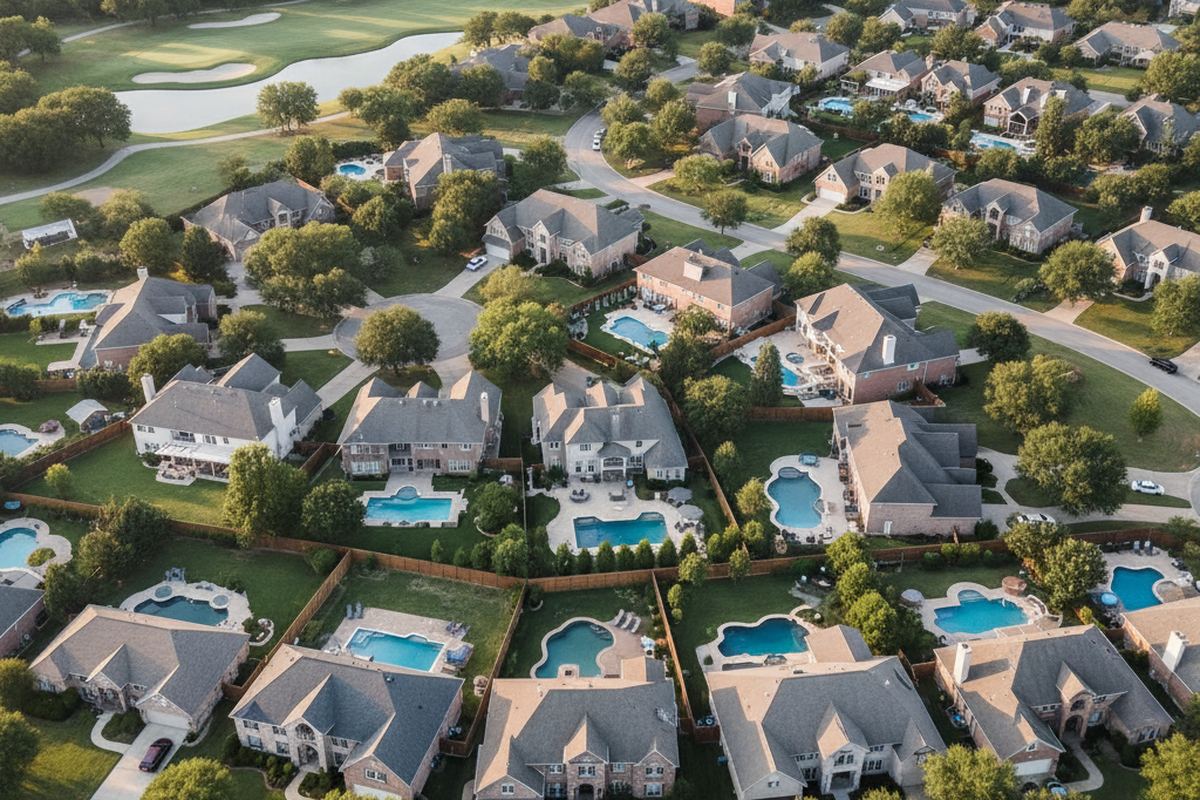
Adding a swimming pool to your backyard can seem like a dream for many homeowners, offering relaxation and recreation. However, when considering such a significant investment, it is crucial to evaluate its impact on your home's resale value. The financial return on a pool varies substantially depending on several factors, including your geographic location, local climate, and the specific characteristics of your property. Understanding these nuances before breaking ground can help you make a well-informed decision.
Regional Variations in Pool Value
The value a pool adds to a home is highly dependent on climate. In warmer southern states, such as Florida, Arizona, and parts of California, a pool is often considered a desirable amenity, potentially increasing home value by an average of 5% to 10%. Buyers in these regions often expect a pool, making it a competitive feature. For example, a $500,000 home in Phoenix might see its value increase by $25,000 to $50,000 with a well-maintained pool.
Conversely, in cooler northern climates like the Northeast or Midwest, a pool may not offer the same return on investment. The shorter swimming season and higher maintenance costs can deter potential buyers, sometimes even decreasing a home's appeal. In these areas, a pool might add little to no value, or in some cases, could even make a home harder to sell, as buyers might view it as a liability rather than an asset.
Impact of Pool Type and Features
Not all pools are created equal in terms of value. In-ground pools generally offer a better return on investment than above-ground pools. An in-ground pool is seen as a permanent, integrated feature of the property, enhancing its aesthetic and functional appeal. Features like high-quality landscaping, a surrounding patio, and efficient heating systems can further boost perceived value.
The overall design and condition of the pool area are also critical. A meticulously maintained pool with attractive hardscaping that complements the home's architecture is more likely to appeal to buyers. Conversely, a neglected pool with outdated equipment, cracked decking, or poor water quality can detract from a home's value, signaling potential future expenses and maintenance headaches to prospective purchasers.
Property Value and Neighborhood Context
The existing value of your home and the characteristics of your neighborhood play a significant role. A pool is more likely to add value to a higher-end home where similar properties in the area already feature pools. In neighborhoods where pools are common, not having one might actually put your home at a disadvantage compared to others on the market.
However, if your home is in a lower-priced neighborhood where pools are rare, adding one might over-improve the property for the area, making it difficult to recoup the investment. Buyers in such neighborhoods may prioritize other features over a pool. The key is to ensure the pool aligns with the expectations and amenities typical of your specific local market.
Estimate real inground and above-ground pool cost — build plus annual upkeep — in under a minute.
Open the Pool Cost EstimatorMaintenance Costs and Resale Considerations
Potential buyers are acutely aware of the ongoing costs associated with pool ownership. These include regular cleaning, chemical treatments, repairs, insurance, and utilities. For 2026, annual pool maintenance costs can range from approximately $1,000 to $4,000, depending on the pool's size, type, and location. This recurring expense can be a deterrent for some buyers.
When selling, be prepared to provide clear documentation of pool maintenance history and any recent upgrades. A well-maintained pool with a clear record of care can alleviate buyer concerns about future expenses. Conversely, a pool that appears neglected or has hidden issues can significantly complicate a sale and potentially lead to lower offers.
The Allure of the Outdoor Living Space
Beyond the pool itself, the entire outdoor living space contributes to a home's appeal. A thoughtfully designed backyard with a pool as its centerpiece, complemented by elements like an outdoor kitchen, fire pit, or comfortable lounging areas, creates an integrated recreational environment. This holistic approach can enhance overall property value more effectively than just a standalone pool.
Creating an inviting outdoor oasis extends the usable living area of a home, which is a major draw for many buyers. The ability to entertain guests or relax with family in a beautifully crafted outdoor setting can significantly increase a home's perceived value, especially in regions where outdoor living is highly prized.
Estimating Your Pool's Value Contribution
Before investing in a pool, consult with local real estate agents who have experience with properties in your specific neighborhood. They can provide insights into whether a pool is a desirable feature in your market and offer a realistic estimate of its potential impact on your home's value. An appraisal can also offer a more formal valuation.
Consider the total cost of installation, including landscaping, fencing, and any necessary permits. Compare this against the potential increase in home value. In many cases, the financial return may not fully cover the initial investment, making the decision more about lifestyle enjoyment than pure financial gain. For 2026, new in-ground pool installations can range from $45,000 to $100,000 or more, depending on features and location.
The bottom line
Deciding whether to add a pool is a complex financial and lifestyle choice. While a pool can enhance your daily living and create lasting memories, its impact on your home's value is not guaranteed. Carefully weigh the upfront costs, ongoing maintenance, and specific market conditions in your area to determine if a pool is the right investment for your property and personal circumstances.
Get more guidance like this in your inbox
Weekly emergency-fund tactics, milestone checklists, and the next article — delivered free.
Run your own number
Get a personalized emergency fund target based on your income, expenses, and job stability.
Open the calculator