Pool Opening and Closing: Cost, Timing, and DIY Tips
The seasonal cost of opening and closing a pool with DIY shortcuts that work.
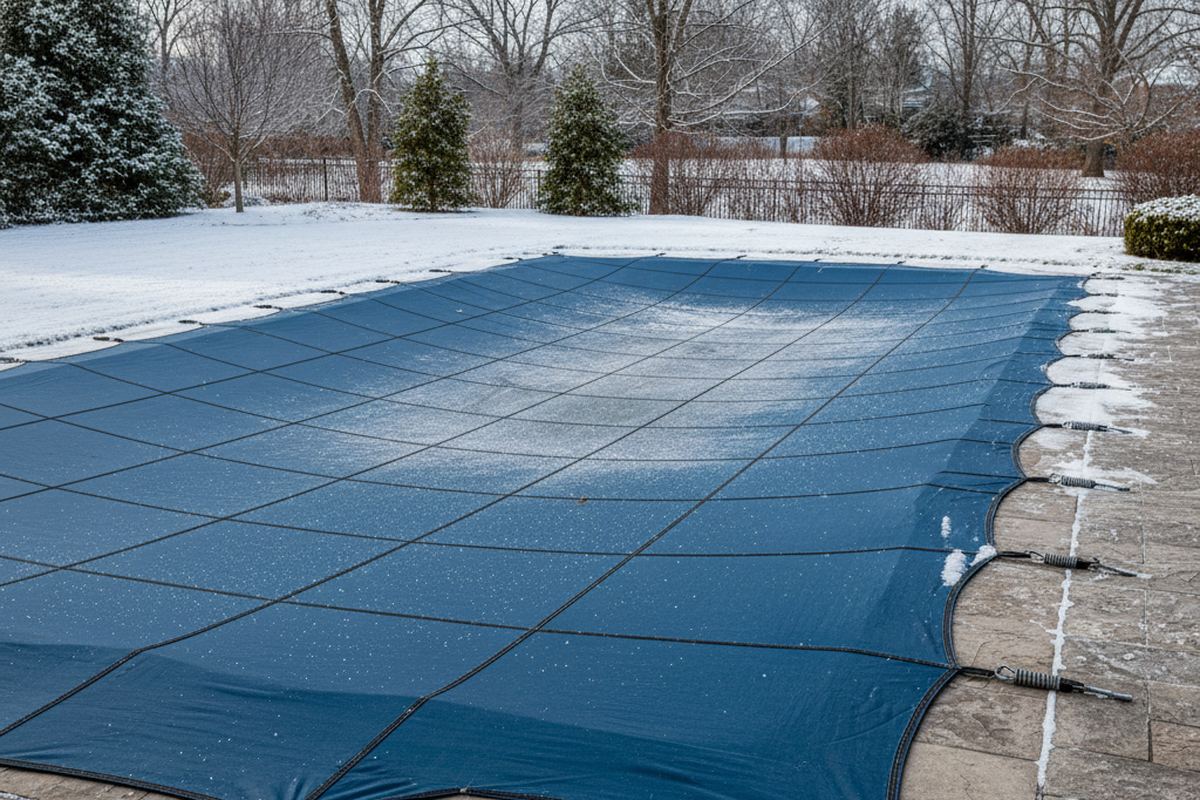
Understanding the costs and processes involved in seasonal pool maintenance can help homeowners budget effectively and enjoy their pool without unexpected financial surprises. Opening and closing a pool properly each year is crucial for its longevity and your family's safety, preventing costly repairs down the line. This guide breaks down the typical expenses, timing considerations, and practical DIY steps for both processes. We'll explore how professional services compare to a do-it-yourself approach, offering insights to help you make informed decisions for your backyard oasis.
Understanding Pool Opening Costs
The cost to professionally open a pool typically ranges from $200 to $500, depending on the pool's size, type (in-ground versus above-ground), and location. This fee usually covers removing the winter cover, reassembling filtration equipment, adding initial chemicals, and performing a basic system check. Some services might also include a preliminary cleaning or vacuuming, which can add to the total. Factors like the pool's condition after winter and any necessary repairs can also influence the final price.
Homeowners opting for a DIY pool opening can save significantly on labor costs. However, they will still incur expenses for chemicals, test kits, and potentially new filter cartridges or other small parts. Expect to spend between $50 and $150 on these supplies. The primary investment for DIYers is time and effort, as the process can take several hours, especially for larger or more complex pool systems. Proper chemical balancing is critical to prevent algae growth and ensure water safety from the start.
Optimal Timing for Pool Opening
The ideal time to open your pool is typically in late spring, usually between April and May, when daily temperatures consistently reach above 60 degrees Fahrenheit. Opening too early can lead to unnecessary chemical usage as colder water is more prone to algae. Opening too late, on the other hand, can result in a green, murky pool that requires extensive cleaning and chemical treatment, increasing both effort and expense.
Monitoring local weather patterns is key. A few consecutive warm days are a good indicator, but sustained warmer temperatures are better. If you plan to use a professional service, booking in advance is advisable, as their schedules fill up quickly during peak season. DIYers have more flexibility but should still aim for this window to minimize potential issues and ensure the pool is ready for swimming when summer arrives.
DIY Pool Opening Steps
For those tackling pool opening themselves, start by removing the winter cover and cleaning any debris from its surface. Store the cover properly to prevent damage. Next, reattach all pool equipment, including pumps, filters, and heaters, ensuring all connections are secure. Fill the pool to its operating level, if needed, and turn on the filtration system to circulate the water.
The most critical step is chemical balancing. Use a reliable test kit to check pH, alkalinity, and chlorine levels. Adjust these with appropriate chemicals, following manufacturer instructions carefully. Shock the pool to kill any lingering bacteria or algae, and then run the filter continuously for at least 24-48 hours. Vacuum and brush the pool thoroughly to remove any remaining sediment. Repeat chemical tests and adjustments as necessary until the water is clear and balanced for safe swimming.
Estimate real inground and above-ground pool cost — build plus annual upkeep — in under a minute.
Open the Pool Cost EstimatorUnderstanding Pool Closing Costs
Professional pool closing services generally cost between $250 and $600. This service typically includes draining water to the appropriate level, blowing out water lines to prevent freezing, adding winterizing chemicals, removing and storing equipment, and installing the winter cover. The price can vary based on pool size, the complexity of the plumbing, and whether any repairs or additional services, such as a deep cleaning, are required.
If you close your pool yourself, material costs will range from $75 to $200. This includes winterizing chemicals, an air compressor (if you don't own one), and potentially new winter plugs or skimmer covers. The main advantage of DIY is cost savings, but the process requires careful attention to detail to prevent freeze damage, which can be extremely expensive to repair. Incorrectly winterizing can lead to cracked pipes, damaged pumps, or a challenging spring opening.
Optimal Timing for Pool Closing
The best time to close your pool is typically in early to mid-fall, usually from late September to late October, when daily temperatures consistently drop below 60 degrees Fahrenheit. Closing too early can lead to algae growth under the winter cover if temperatures remain warm. Closing too late risks freezing temperatures damaging plumbing and equipment, which can occur even with a single overnight freeze.
It's generally recommended to close the pool before the first hard frost. This timing ensures that the water is cool enough to inhibit algae but not so cold that it poses an immediate freeze risk during the closing process. Booking professional services well in advance for fall closing is also wise, as this is another busy period for pool maintenance companies.
DIY Pool Closing Steps
For a DIY pool closing, begin by thoroughly cleaning and vacuuming the pool. Ensure the water is balanced before adding winterizing chemicals, such as algaecide and stain inhibitors. Lower the water level to below the skimmers and return jets, typically by about 4-6 inches below the skimmer opening, depending on your cover type. This prevents water from entering the skimmer and freezing.
The most critical DIY step is blowing out the plumbing lines using an air compressor to remove all water. Plug the return lines and skimmers to prevent water from re-entering. Remove all removable equipment, such as ladders, diving boards, and solar blankets. Drain the pump, filter, and heater, and store them in a dry, protected area. Finally, install your winter cover securely, ensuring it's taut to keep out debris. A proper closing protects your investment and simplifies the spring opening process.
Long-Term Cost Savings and Maintenance Tips
Investing in quality pool equipment and performing regular minor maintenance throughout the swim season can significantly reduce opening and closing costs. For instance, maintaining proper chemical balance year-round prevents excessive algae buildup, which makes both closing and opening easier and less costly. Regularly cleaning filters and ensuring all components are in good working order can extend their lifespan.
Consider the long-term benefits of a well-maintained pool. A high-quality winter cover, for example, might be a larger upfront expense but can save money by preventing debris and sunlight from entering the pool, reducing chemical needs and cleaning efforts in the spring. Likewise, understanding your pool's specific needs and addressing small issues promptly can prevent them from escalating into expensive repairs.
The bottom line
Effective pool opening and closing are fundamental to responsible pool ownership, protecting your investment and ensuring a safe swimming environment. Whether you choose professional services or a DIY approach, understanding the associated costs and processes empowers you to manage your pool efficiently. By planning ahead and adhering to best practices, you can enjoy your pool season after season with minimal hassle and expense.
Get more guidance like this in your inbox
Weekly emergency-fund tactics, milestone checklists, and the next article — delivered free.
Run your own number
Get a personalized emergency fund target based on your income, expenses, and job stability.
Open the calculator