DIY Pool Install vs Hiring a Pro: Where DIY Fails
The parts of a pool build you can DIY and the parts that will cost you double.
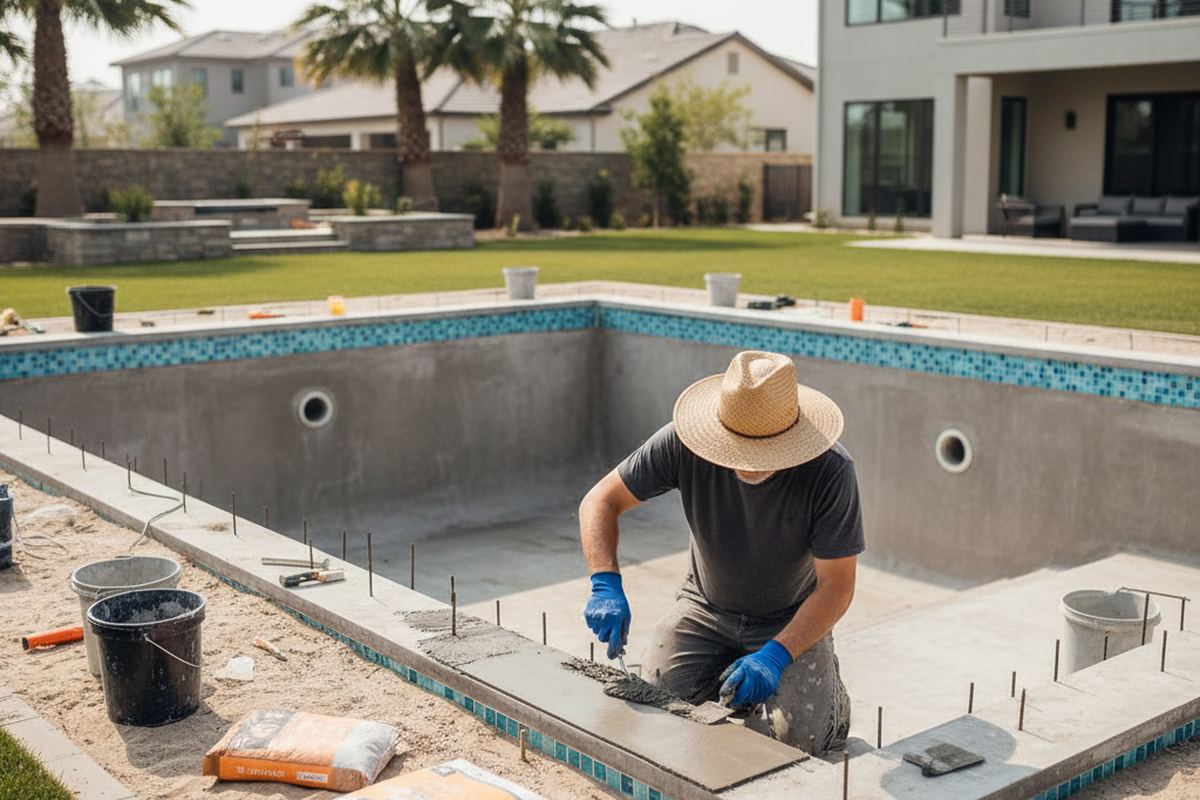
Installing a backyard swimming pool is a significant home improvement project, often representing a substantial investment in both time and money. Many homeowners consider a do-it-yourself approach to save on costs, but the complexities of pool construction can quickly turn perceived savings into unexpected expenses. Understanding which aspects of a pool build are suitable for DIY and which are best left to licensed professionals is crucial for a successful outcome. This guide will help you navigate the decision between DIY and professional installation, focusing on where DIY efforts often fall short.
Understanding the Scope of Pool Construction
A swimming pool is more than just a hole in the ground filled with water. It involves intricate engineering, precise excavation, plumbing, electrical work, and specialized finishes. Even a basic inground pool requires careful planning for site preparation, structural integrity, water circulation, and filtration. Homeowners often underestimate the sheer scale of these tasks, leading to project delays, cost overruns, and potential safety hazards if not executed correctly.
For instance, an average 15x30-foot inground pool project can involve moving hundreds of tons of earth, installing a complex network of pipes and pumps, and ensuring the structural shell can withstand immense water pressure and soil shifts. Permitting and local regulations also add layers of complexity, requiring adherence to specific building codes that vary by municipality. Failing to secure proper permits or meet code requirements can result in fines, demolition orders, and significant rework.
Excavation and Site Preparation: More Than Just Digging
While digging a large hole might seem straightforward, professional excavation for a pool is a highly skilled operation. It involves assessing soil composition, identifying utilities, ensuring proper drainage, and creating a perfectly level and stable base for the pool structure. DIY attempts often lead to uneven depths, unstable walls, or damage to underground lines, which can be costly to rectify. Heavy machinery is also required, which can be dangerous for inexperienced operators.
The cost of renting appropriate excavation equipment, like a mini excavator or skid steer, can range from $300 to $1,000 per day, not including delivery, fuel, and potential damage waivers. A professional crew, on the other hand, can complete the excavation phase efficiently and accurately, often within a few days, mitigating risks and ensuring the foundation is correctly prepared for the subsequent stages of construction. Improper excavation can compromise the entire pool's structural integrity over time.
Plumbing and Electrical Systems: Safety and Functionality First
The plumbing and electrical systems are the lifeblood of any swimming pool, responsible for water circulation, filtration, heating, and lighting. These systems must be installed by licensed professionals to ensure they meet strict safety codes and operate efficiently. DIY plumbing can result in leaks, poor water flow, and inefficient filtration, leading to unsanitary conditions or increased energy consumption. Incorrect electrical wiring poses severe risks, including electrocution and fire.
Working with high-voltage electrical connections near water is inherently dangerous and strictly regulated. In many jurisdictions, it's illegal for unlicensed individuals to perform significant electrical or plumbing work. Attempting these critical installations yourself could void warranties, compromise homeowner's insurance, and, most importantly, endanger your family. The specialized knowledge required for proper sizing of pumps, filters, and heaters, along with precise wiring, makes this a segment where professional expertise is indispensable.
Estimate real inground and above-ground pool cost — build plus annual upkeep — in under a minute.
Open the Pool Cost EstimatorStructural Integrity and Shell Installation
Whether you're installing a fiberglass shell, a vinyl liner, or a gunite/concrete pool, the structural integrity is paramount. For fiberglass pools, precise leveling and backfilling are crucial to prevent cracks or warping. Vinyl liner pools require a perfectly smooth base and accurate liner installation to avoid wrinkles and premature wear. Gunite or concrete pools demand specialized skills in rebar placement, concrete spraying, and curing to ensure long-term durability and prevent leaks.
A common DIY pitfall with structural elements is improper compaction of the base or backfill, which can lead to settling and cracking of the pool shell. For gunite pools, the pressure and consistency of application are critical. Professionals have the experience and specialized equipment to ensure the pool's structure is sound and built to last, often backed by warranties that DIY projects cannot offer. Errors here can lead to catastrophic failure and astronomical repair costs.
Finishing and Decking: Aesthetics and Longevity
The finishing touches, such as interior surfaces (plaster, tile, or pebble), coping, and decking, significantly impact both the aesthetics and longevity of your pool. While some homeowners might consider tiling or paving as a DIY task, achieving a professional-grade finish requires skill and experience. Uneven tiling, poorly applied plaster, or improperly installed coping can detract from the pool's appearance and lead to premature wear or water ingress.
Decking, whether concrete, pavers, or wood, must be installed with proper drainage and stability in mind. Incorrect slopes can lead to standing water, creating slip hazards and potential damage to the pool's foundation. A professional pool builder will ensure that all finishes are applied correctly, are aesthetically pleasing, and contribute to the overall durability and safety of your pool area, often using specialized techniques and materials that are difficult for a DIYer to source or apply effectively.
Permitting, Inspections, and Compliance
One of the most overlooked aspects of DIY pool installation is navigating the complex world of permits, inspections, and local building codes. Every municipality has specific requirements for pool construction, including setbacks, fencing, drainage, and safety features. Obtaining the necessary permits is a multi-step process that often requires detailed plans and adherence to strict deadlines. Failure to secure proper permits can result in significant fines and the demand to stop work or even demolish the structure.
Professional pool builders are intimately familiar with local regulations and handle all permitting and inspection processes. They ensure that every stage of construction meets code, from excavation to electrical wiring and final fencing. Attempting to manage this yourself can be frustrating, time-consuming, and can expose you to legal liabilities if requirements are not met. The average cost of permits for a new inground pool can range from $500 to $2,000, depending on your location and the complexity of the project.
The bottom line
While the allure of saving money through a DIY pool installation is strong, the reality is that many critical aspects require professional expertise. From complex excavation and structural integrity to essential plumbing, electrical work, and navigating permits, the risks associated with DIY often outweigh the potential savings. Carefully evaluate your skills and resources to determine if you are truly equipped for the endeavor, or if investing in a professional build will provide a safer, more durable, and ultimately more cost-effective solution for your backyard oasis.
Get more guidance like this in your inbox
Weekly emergency-fund tactics, milestone checklists, and the next article — delivered free.
Run your own number
Get a personalized emergency fund target based on your income, expenses, and job stability.
Open the calculator