Pool Heater Cost and Payback: Gas, Heat Pump, or Solar
Pool heater options compared on install cost, energy use, and payback.
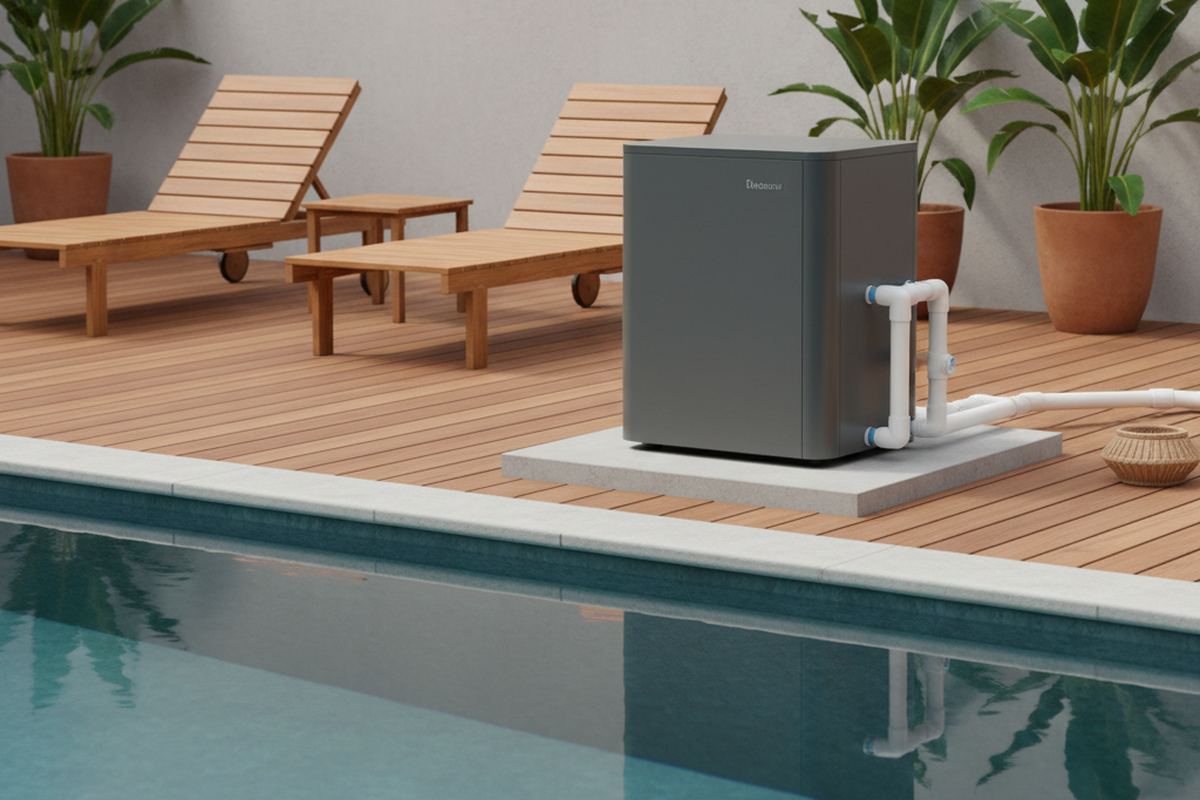
Considering adding a pool heater to extend your swimming season or enhance comfort? Understanding the various types and their associated costs is crucial for making an informed decision. This guide breaks down the initial investment, ongoing operational expenses, and potential payback periods for gas, heat pump, and solar pool heating systems. We'll explore how each option performs in different climates and under varying usage patterns, helping you determine the most cost-effective solution for your home.
Understanding Pool Heater Economics
The decision to install a pool heater involves more than just the upfront purchase price. Homeowners need to consider the total cost of ownership, which includes installation, energy consumption, and maintenance over the system's lifespan. These factors can vary significantly depending on the heater type, pool size, local climate, and desired water temperature. A higher initial investment might lead to lower operating costs, potentially offering a better long-term value.
When evaluating options, it's helpful to think about the 'payback period' – how long it takes for the energy savings of a more efficient system to offset its higher upfront cost. For example, a system that costs more initially but uses significantly less energy might pay for itself in a few years compared to a cheaper, less efficient alternative. This long-term perspective is key to selecting a heating solution that aligns with both your budget and your swimming preferences.
Gas Pool Heaters: Fast Heat, Higher Fuel Costs
Gas pool heaters, powered by natural gas or propane, are known for their ability to heat water quickly, regardless of ambient air temperature. This makes them ideal for homeowners who want to heat their pool on demand, perhaps for occasional use or a sudden cold snap. Installation costs for a gas heater typically range from $2,500 to $6,000, depending on the unit's size, the need for new gas lines, and local labor rates. Propane units often have a slightly higher installation cost due to the need for a storage tank.
While the initial cost is moderate, the operational expenses for gas heaters can be substantial. Heating an average 15,000-gallon pool by 15-20 degrees Fahrenheit for a month can cost between $250 and $600, depending on gas prices and usage frequency. This higher operating cost means that while they offer convenience, the payback period for gas heaters, in terms of energy savings, is generally longer or non-existent compared to other options, unless rapid heating is a consistent priority.
Electric Heat Pumps: Efficient in Moderate Climates
Electric heat pump pool heaters operate by extracting heat from the ambient air and transferring it to the pool water. They are highly efficient in warmer climates or during shoulder seasons when air temperatures are consistently above 50 degrees Fahrenheit. Installation costs for heat pumps typically fall between $3,500 and $7,500, influenced by the unit's capacity and the complexity of electrical hookups. They require a dedicated circuit and professional electrical installation.
The primary advantage of heat pumps is their energy efficiency, often operating at 4 to 7 times the efficiency of electric resistance heaters. Operational costs for an average pool can range from $75 to $250 per month, significantly lower than gas heaters. This efficiency translates to a shorter payback period, often recouping the higher upfront cost within 2 to 5 years through reduced energy bills, especially for pools used regularly in suitable climates.
Estimate real inground and above-ground pool cost — build plus annual upkeep — in under a minute.
Open the Pool Cost EstimatorSolar Pool Heaters: Lowest Operating Cost, Climate Dependent
Solar pool heaters utilize the sun's energy to heat pool water, offering the lowest operational costs among all options. These systems circulate pool water through solar collectors, typically mounted on a roof, where it absorbs heat before returning to the pool. Installation costs generally range from $3,000 to $8,000, depending on the size of the collector array needed for the pool and the complexity of the plumbing connection to the existing pool system.
Once installed, the 'fuel' for a solar pool heater is free sunlight, resulting in minimal to no monthly operating expenses beyond the electricity needed to run the existing pool pump. This makes their payback period potentially the shortest, often within 1 to 3 years, as the energy savings quickly offset the initial investment. However, their effectiveness is directly tied to sunlight availability and ambient temperatures, making them best suited for areas with ample sunshine and for homeowners prioritizing extended swimming seasons rather than year-round heating in colder regions.
Comparative Costs and Long-Term Value
When comparing the three heating methods, consider your specific needs and local conditions. A quick overview of typical costs for a 15,000-gallon pool might look like this:
Choosing the right heater involves balancing initial outlay with ongoing expenses. For instance, while a solar heater might cost $5,000 to install, its annual operating cost could be near zero. A heat pump at $6,000 might cost $1,000 annually to run, and a gas heater at $4,000 could cost $3,000 per year. Over a 10-year lifespan, the total cost of ownership for the solar heater would be around $5,000, the heat pump $16,000, and the gas heater $34,000. These figures highlight the significant long-term savings offered by more efficient systems, despite their potentially higher upfront price.
- Gas Heater: Install $2,500-$6,000; Monthly Operating $250-$600
- Electric Heat Pump: Install $3,500-$7,500; Monthly Operating $75-$250
- Solar Heater: Install $3,000-$8,000; Monthly Operating $0-$50 (for pump)
Factors Influencing Your Heater Choice
Several factors beyond initial and operating costs should guide your decision. Your local climate is paramount; solar heaters and heat pumps perform best in warmer, sunnier regions, while gas heaters offer reliable performance regardless of outside temperatures. The length of your desired swimming season also plays a role. If you only plan to heat the pool for a few weeks a year, a gas heater's quick heating might be more appealing, even with higher per-use costs. For extended seasons, the efficiency of heat pumps or solar becomes more beneficial.
Consider your environmental priorities as well. Solar heaters offer the most eco-friendly option with zero carbon emissions during operation. Heat pumps are also considered green due to their high efficiency. Gas heaters, while effective, rely on fossil fuels. Finally, assess your access to utilities; natural gas may not be available in all areas, and your electrical panel might need an upgrade to support a large heat pump, adding to the overall installation expense.
The bottom line
Selecting the right pool heater is a significant investment that impacts both your enjoyment and your budget. By carefully weighing the upfront costs, ongoing energy expenses, and environmental considerations of gas, electric heat pump, and solar systems, you can choose a solution that aligns best with your needs. A thorough evaluation will ensure you maximize your swimming season efficiently and economically.
Get more guidance like this in your inbox
Weekly emergency-fund tactics, milestone checklists, and the next article — delivered free.
Run your own number
Get a personalized emergency fund target based on your income, expenses, and job stability.
Open the calculator