Pool Permits, Fencing, and Insurance: What They Really Cost
The overlooked pool costs — permits, fencing, and homeowner insurance changes.
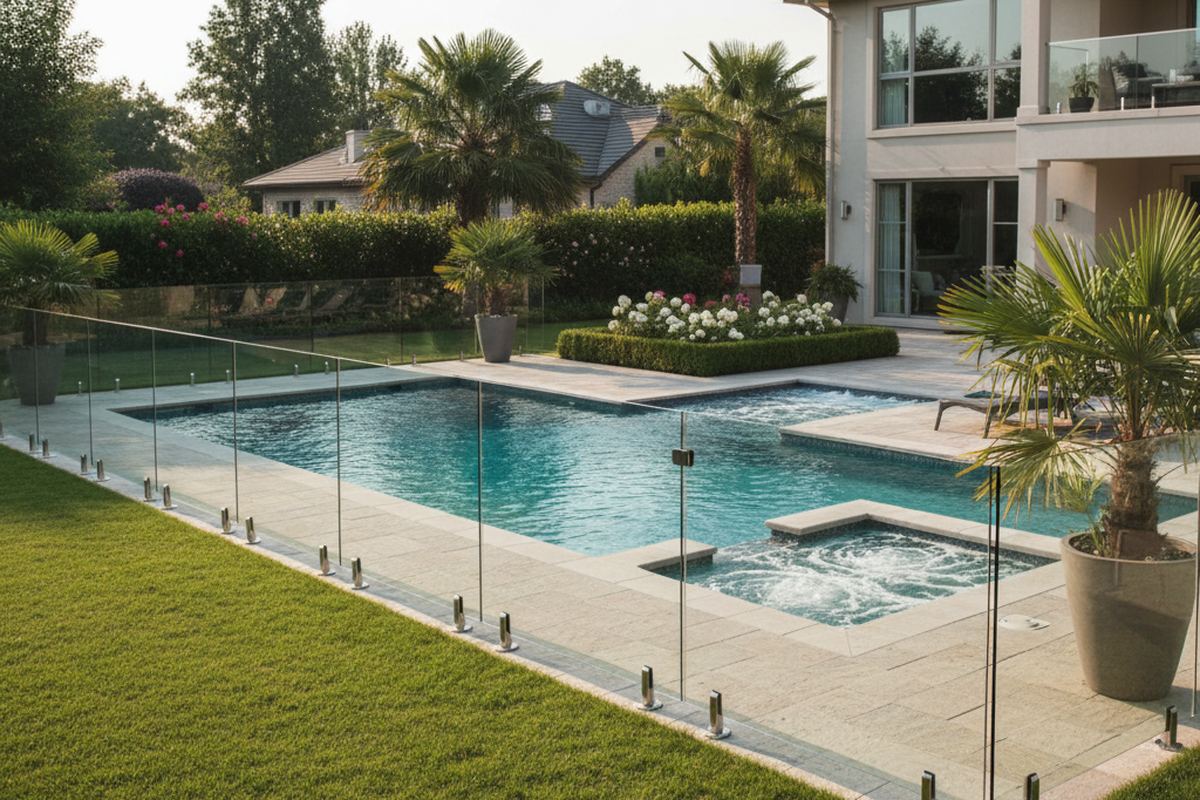
Installing a backyard swimming pool is a significant investment that extends beyond the initial construction. While many homeowners focus on excavation, materials, and labor, several critical costs often get overlooked. Understanding these additional expenses, such as permits, safety fencing, and adjustments to your homeowner's insurance, is crucial for accurate budgeting. Preparing for these necessities from the outset can prevent unexpected financial burdens and ensure your project proceeds smoothly and legally.
Navigating Pool Permitting and Inspections
Before any ground is broken, securing the necessary permits from your local municipality is a mandatory step. The cost of these permits varies widely based on location, the complexity of your pool design, and local regulations. Expect permit fees to range from a few hundred dollars to upwards of $2,000, with an average often falling between $500 and $1,500. This fee typically covers the administrative processing, plan review, and a series of inspections throughout the construction process, ensuring compliance with local building codes, zoning laws, and safety standards.
The permitting process usually involves submitting detailed plans, including site layouts, electrical schematics, and plumbing diagrams. You may also need to provide erosion control plans or demonstrate compliance with environmental regulations. Multiple inspections will occur at various stages, such as after excavation, before concrete pouring, and for electrical and plumbing rough-ins. The final inspection will verify that all work meets code and that safety features, like fencing, are properly installed. Failing to obtain the correct permits can lead to significant fines, construction delays, or even the forced removal of your pool.
Essential Safety Fencing Requirements
Most jurisdictions mandate a safety barrier around residential swimming pools to prevent accidental drownings, especially involving children. This often means installing a fence that meets specific height, material, and gate requirements. Common regulations require fences to be at least 4 feet tall, with self-closing and self-latching gates that open outward and are equipped with a lock. The cost of pool fencing can vary significantly based on the material chosen, the perimeter of your pool area, and local labor rates.
For a typical 16x32 foot pool, you might budget between $4,000 and $15,000 for a compliant fence. Aluminum fences generally cost $20-$40 per linear foot, while vinyl or wood options might be $25-$50 per linear foot. Wrought iron, a more premium option, can range from $40-$70 per linear foot. Beyond the initial installation, consider ongoing maintenance; for example, wood fences require regular staining or painting, while metal fences may need occasional rust treatment. Some areas also allow for safety covers or alarms as alternatives or supplements to traditional fencing.
Adjusting Homeowner's Insurance for a Pool
Adding a swimming pool significantly increases the liability risk associated with your property, making it essential to review and likely adjust your homeowner's insurance policy. Pools are considered an "attractive nuisance," meaning they can attract people, especially children, who might trespass and injure themselves. Your standard policy's liability coverage might not be sufficient to cover potential claims arising from pool-related incidents, such as slip-and-falls, diving accidents, or drownings.
Expect your homeowner's insurance premiums to increase by approximately 10% to 20% after installing a pool, though this can vary based on your location, pool type, and chosen coverage limits. For a policy with a $3,000 annual premium, this could mean an additional $300 to $600 per year. Many homeowners opt to increase their liability coverage from the standard $100,000-$300,000 to $500,000 or even $1,000,000. Additionally, consider purchasing an umbrella policy, which provides an extra layer of liability protection beyond your primary homeowner's and auto insurance, typically for an additional $200-$400 annually for $1 million in coverage.
Estimate real inground and above-ground pool cost — build plus annual upkeep — in under a minute.
Open the Pool Cost EstimatorElectrical and Utility Upgrades
A swimming pool requires dedicated electrical circuits for its pump, filter, heater, and lighting. This often necessitates upgrading your home's electrical panel or adding new circuits to safely accommodate the increased load. The cost of electrical work can range from $1,000 to $5,000, depending on the extent of the upgrades needed and whether your existing electrical system can handle the additional demand. Always use a licensed electrician to ensure all wiring meets current safety codes and local regulations.
Beyond electricity, consider water and gas line extensions if you plan for a heated pool or a poolside kitchen. Extending a gas line can cost $500 to $2,500 or more, while water line extensions are typically less, ranging from $300 to $1,000. These utility connections must also adhere to local codes and often require separate permits and inspections, adding to both the timeline and overall budget of your pool project.
Landscaping and Decking Considerations
Once the pool is in, the surrounding area needs attention. Landscaping not only enhances the aesthetic appeal but also serves practical purposes, such as drainage and erosion control. Budgeting for concrete decking, pavers, or natural stone around your pool is essential. Concrete decking typically costs $5-$15 per square foot, while pavers or natural stone can range from $15-$50 per square foot. For a 500-square-foot deck, this translates to $2,500 to $25,000.
Consider additional landscaping elements like planting, retaining walls, and outdoor lighting. These elements can significantly impact the overall look and usability of your pool area. Costs for these can vary widely, from a few hundred dollars for basic plantings to several thousand for extensive hardscaping and a sophisticated lighting system. Proper drainage is particularly important to prevent water accumulation near the pool and foundation.
Ongoing Maintenance and Operational Costs
Beyond the initial construction and associated setup costs, owning a pool involves continuous operational expenses. These include electricity for the pump and filter, chemicals for water sanitation, and regular cleaning supplies. Electricity costs for a pool pump can range from $300 to $800 annually, depending on pump efficiency and local electricity rates. Chemicals, including chlorine, pH adjusters, and algaecides, typically add another $200 to $600 per year.
If you opt for professional pool cleaning and maintenance services, these can add $100 to $200 per month, or $1,200 to $2,400 annually. Heaters, especially gas or electric models, can significantly increase energy bills, potentially adding $500 to $2,000 or more per season, depending on usage and climate. Factor in periodic repairs, equipment replacement, and water refills, which can add hundreds of dollars each year.
- Electricity for pump/filter: $300 - $800 annually
- Chemicals: $200 - $600 annually
- Professional cleaning: $1,200 - $2,400 annually
- Heating (seasonal): $500 - $2,000+
- Repairs/replacements: Variable, budget $200+ annually
The bottom line
Understanding these often-overlooked costs is crucial for a realistic pool budget. From the initial permit fees and safety fencing to the long-term impact on your homeowner's insurance and ongoing operational expenses, each element contributes significantly to the total investment. By accounting for these factors upfront, homeowners can avoid surprises and ensure their new backyard oasis is a source of enjoyment, not financial stress.
Get more guidance like this in your inbox
Weekly emergency-fund tactics, milestone checklists, and the next article — delivered free.
Run your own number
Get a personalized emergency fund target based on your income, expenses, and job stability.
Open the calculator