Pool Features Buyers Love (And the Ones They Hate)
The pool features that add resale value and the ones that scare buyers off.
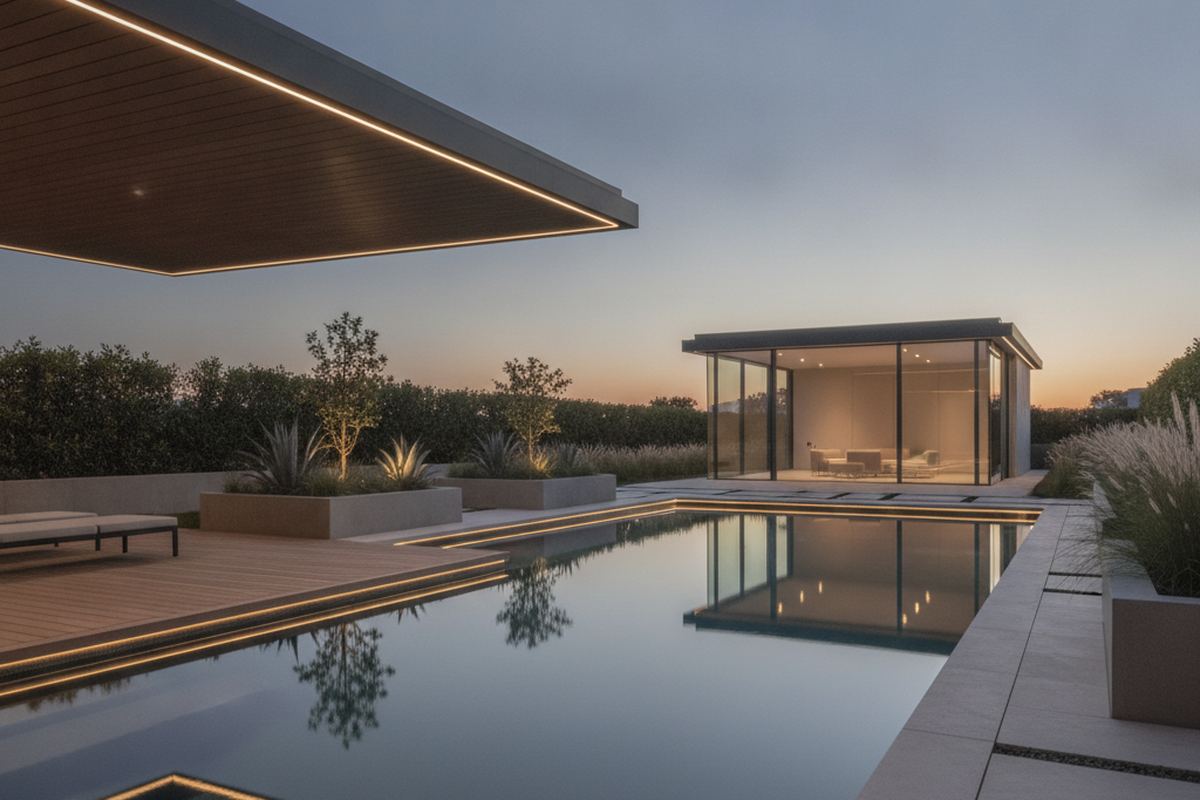
Installing a swimming pool is a significant investment for any homeowner, often driven by lifestyle desires for recreation and relaxation. However, when considering resale value, not all pool features are created equal. Understanding which additions genuinely enhance a home's market appeal and which might deter potential buyers is crucial. This insight can help you make informed decisions, ensuring your pool investment aligns with both your personal enjoyment and future financial considerations.
Smart Designs That Boost Resale Value
When selling a home, a well-integrated, aesthetically pleasing pool can be a major draw. Features like a thoughtful landscape design that complements the pool and the home, or energy-efficient equipment, are highly valued. Automated cleaning systems, variable-speed pumps, and LED lighting not only reduce maintenance and operating costs but also signal a modern, well-cared-for property. Buyers appreciate these practical considerations as they translate to lower ownership burdens.
Consider also the overall size and placement. A pool that is too large for the yard, or one that dominates the usable outdoor space, can be a negative. Most buyers prefer a pool that leaves ample room for other outdoor activities like gardening, entertaining, or play areas. A well-proportioned pool that enhances the outdoor living experience without overwhelming it tends to receive the most positive reception.
Timeless Features That Endure
Certain pool features have a timeless appeal that continues to attract buyers. A simple, elegant rectangular or freeform design, for instance, often holds up better over time than highly customized or trendy shapes. Integrated spas, especially those with spillover edges that create a soothing water feature, are consistently popular. These additions offer both relaxation and a visually appealing element without being overly niche.
High-quality, durable materials also contribute significantly to lasting appeal. Opting for premium coping materials like natural stone or paver decking, rather than standard concrete, can elevate the pool's look and longevity. Similarly, robust interior finishes, such as pebble tec or high-grade plaster, require less frequent maintenance and present a more luxurious feel, reassuring potential buyers about the pool's condition.
Practical Additions for Broader Appeal
Features that enhance safety and usability tend to resonate well with a wide range of buyers. A well-designed shallow entry, like a sun shelf or beach entry, makes a pool more accessible for families with young children or those who simply want to lounge. Good lighting, both inside the pool and around the deck, improves safety for evening use and extends the pool's functionality. Security fencing that meets local codes is also a non-negotiable for many families.
Heating systems, especially those that are energy-efficient like heat pumps or solar heaters, can significantly extend the swimming season, making the pool more valuable for a larger portion of the year. While not every buyer needs a heated pool, the option to use it for more months can be a compelling selling point, particularly in regions with cooler shoulder seasons.
Estimate real inground and above-ground pool cost — build plus annual upkeep — in under a minute.
Open the Pool Cost EstimatorFeatures That Can Deter Buyers
Conversely, some pool features can be a turn-off for potential buyers. Overly elaborate or highly personalized themes, such as grottoes with artificial rock formations or intricate mosaic designs, might appeal to a select few but can alienate a broader market. These unique elements often require specific tastes and can make a home feel less neutral, making it harder for buyers to envision themselves in the space.
Another deterrent can be excessive water features that demand high maintenance or consume significant energy. While a small, elegant waterfall can be nice, a complex system of jets, slides, or multiple fountains can signal high operational costs and potential repair headaches. Buyers are often wary of features that suggest ongoing financial commitment beyond standard pool upkeep.
High-Maintenance Features to Avoid
Pools that appear difficult to maintain can significantly reduce buyer interest. Features like dark bottom finishes, while visually striking, can make it harder to spot debris and often absorb more heat, leading to higher cooling costs in some climates. Similarly, pools with an abundance of nooks, crannies, or hidden areas can complicate cleaning and increase the likelihood of algae growth, which is a major concern for prospective owners.
Older, inefficient equipment is another common red flag. A pool with outdated pumps, filters, or heaters suggests that significant upgrades will be necessary soon after purchase. This translates to an immediate expense for the buyer, which they will factor into their offer. Investing in modern, efficient equipment before selling can often yield a positive return in buyer confidence and offer prices.
Understanding the Local Market Impact
The desirability of specific pool features can vary significantly by geographic location and local market trends. In warmer climates, a pool is often seen as a necessity and can add substantial value. In cooler regions, its appeal might be more limited, and an overly large or complex pool could be viewed as a liability due to shorter usage seasons and higher winterization costs.
Before making major pool feature decisions, it's wise to consult with local real estate professionals. They can offer insights into what buyers in your specific area prioritize and what features tend to offer the best return on investment. This local perspective is invaluable for aligning your pool project with market expectations and maximizing your home's future resale potential.
Expected Pool Costs for 2026
For 2026, the cost of installing an in-ground swimming pool in the US can range broadly based on type, features, and location. A basic vinyl liner pool might start from around $40,000 to $60,000. Fiberglass pools typically range from $50,000 to $80,000, offering quicker installation and lower long-term maintenance. Concrete (gunite/shotcrete) pools, known for their durability and customization, generally fall between $70,000 and $120,000, and can exceed $150,000 for highly elaborate designs.
These figures typically include excavation, the pool shell, basic filtration equipment, and a standard concrete deck. Additional features like heating systems, automated covers, advanced landscaping, integrated spas, or premium finishes can add tens of thousands of dollars to the total project cost. For example, a quality pool heater might add $3,000-$8,000, while a custom spa could be an additional $10,000-$25,000.
The bottom line
Thoughtful selection of pool features can significantly impact your home's appeal and resale value. By prioritizing timeless design, practical additions, and energy efficiency, you can create an outdoor oasis that enhances both your lifestyle and your property's marketability. Before committing to any major pool project, consider the long-term implications for future buyers and how your choices align with local market preferences.
Get more guidance like this in your inbox
Weekly emergency-fund tactics, milestone checklists, and the next article — delivered free.
Run your own number
Get a personalized emergency fund target based on your income, expenses, and job stability.
Open the calculator