Primary Bathroom Remodel Cost: Where the Big Dollars Go
The line items that swell a primary bath budget — freestanding tub, double vanity, custom shower.
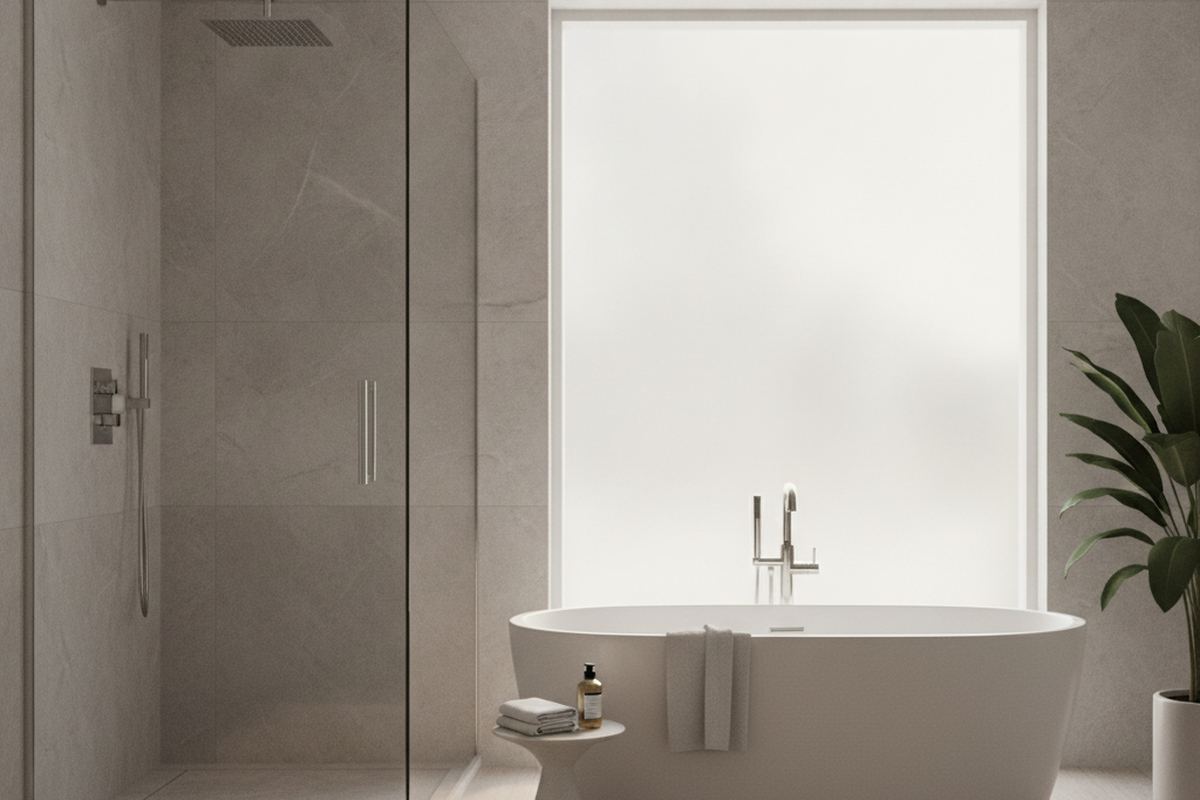
Remodeling a primary bathroom can significantly enhance your home's comfort and value. However, it's also a project where costs can quickly escalate if not carefully managed. Understanding the major expense categories before you begin can help you budget more effectively and avoid unexpected financial surprises. This guide breaks down where the bulk of your investment will likely go, focusing on the key decisions that impact your bottom line.
Understanding the Scope of Your Remodel
The overall cost of your primary bathroom remodel is heavily influenced by the project's scope. A minor refresh, involving new paint, fixtures, and cosmetic updates, will naturally be less expensive than a complete gut renovation. Major changes, such as reconfiguring the layout, moving plumbing lines, or expanding the room's footprint, introduce significant labor and material costs that can quickly double or triple your initial estimates.
For example, relocating a toilet or shower can add thousands to your project due to the complexity of plumbing work and potential structural modifications. A full demolition and rebuild, including new framing and electrical, requires a substantial budget. Clearly defining your project's extent from the outset is crucial for an accurate financial plan and will dictate many subsequent material and labor choices.
Material Selections: Where Quality Meets Cost
The materials you choose for your primary bathroom will account for a large portion of your budget. High-end natural stones like marble or granite for countertops and shower surrounds are considerably more expensive than engineered quartz or ceramic tiles. Similarly, custom cabinetry costs more than semi-custom or stock options, and the type of flooring, from luxury vinyl plank to heated natural stone, presents a wide price range.
Fixtures and finishes also play a significant role. A designer freestanding tub can range from $2,000 to $10,000 or more, while a standard alcove tub might cost $500 to $1,500. High-end plumbing fixtures, such as rain shower heads or smart faucets, carry premium price tags. Selecting durable, water-resistant materials is important for a bathroom, but balancing quality with your budget is key.
Labor Costs: The Unseen Investment
Labor is often the largest single component of a primary bathroom remodel, frequently accounting for 30% to 50% of the total project cost. This includes the wages for plumbers, electricians, tile setters, carpenters, and general contractors. The complexity of the work, local labor rates, and the project timeline all influence these expenses. Expect higher labor costs for specialized tasks like intricate tile patterns or custom carpentry.
Hiring licensed and insured professionals is essential, even if it appears more expensive upfront. This protects you from potential liabilities and ensures the work meets local building codes. Obtaining multiple bids from reputable contractors is a good practice to compare pricing and services, but be wary of bids that are significantly lower than others, as they may indicate cut corners or hidden costs.
Get a tier-based bathroom remodel budget with contingency and resale recoup baked in.
Open the Bathroom Remodel Budget PlannerPlumbing and Electrical Updates
Updating plumbing and electrical systems is often necessary, especially in older homes, and can be a significant cost driver. If you're moving fixtures, you'll incur expenses for rerouting water supply lines, drainpipes, and electrical wiring. Even without moving fixtures, replacing outdated galvanized pipes or knob-and-tube wiring is advisable for safety and efficiency, adding to the overall budget.
Consider adding dedicated circuits for high-power appliances like hair dryers or upgrading your electrical panel if necessary. Plumbing costs also include the installation of new shower valves, faucets, and toilet mechanisms. These hidden costs, while not as visually appealing as new tiles, are critical for the functionality and safety of your remodeled bathroom.
Cabinetry and Vanity Choices
The vanity and cabinetry choices in a primary bathroom can range widely in price. A standard single-basin vanity with a laminate top might start around $500, whereas a custom-built double vanity with premium wood, soft-close drawers, and an integrated marble countertop could easily exceed $5,000. These items are central to the bathroom's functionality and aesthetic, making them a key investment.
Consider not only the cost of the unit itself but also installation. Wall-mounted vanities can be more complex to install than freestanding units. Storage needs also play a role; built-in linen cabinets or medicine cabinets can add to the expense but provide valuable organization. Weigh the benefits of custom features against their cost to align with your overall budget.
Showers and Tubs: Focal Points of Expense
The shower and tub often serve as the focal points of a primary bathroom, and their selection can significantly impact the budget. A standard tub-shower combination is the most economical option. However, many homeowners opt for a separate walk-in shower, which can involve custom tile work, a glass enclosure, and specialized fixtures, pushing costs into the thousands.
Freestanding tubs, while aesthetically pleasing, require more space and can be more expensive to purchase and install due to their weight and the need for floor-mounted plumbing. Custom showers with multiple showerheads, body jets, or steam features will incur higher material and labor costs. Planning these elements carefully ensures they meet both your desires and your financial limits.
Permits and Unforeseen Expenses
Don't overlook the cost of permits, which are often required for significant bathroom remodels, especially those involving plumbing or electrical work. Permit fees vary by municipality but typically range from a few hundred dollars to over a thousand. These permits ensure your project adheres to local building codes and safety standards, protecting you in the long run.
It's also prudent to allocate an additional 10% to 20% of your total budget for unforeseen expenses. During a renovation, unexpected issues like discovering mold, outdated wiring, or structural damage are common. Having a contingency fund prevents these surprises from derailing your project or forcing compromises on your initial vision.
The bottom line
Careful planning and a clear understanding of potential costs are essential for a successful primary bathroom remodel. By breaking down the project into its core components and anticipating major expenses, you can create a realistic budget. This approach helps ensure your renovation enhances your home and meets your financial goals without unnecessary stress.
Get more guidance like this in your inbox
Weekly emergency-fund tactics, milestone checklists, and the next article — delivered free.
Run your own number
Get a personalized emergency fund target based on your income, expenses, and job stability.
Open the calculator