Primary Suite Additions: Cost vs Resale in 2026
The primary suite addition math — cost, resale value, and lifestyle payback.
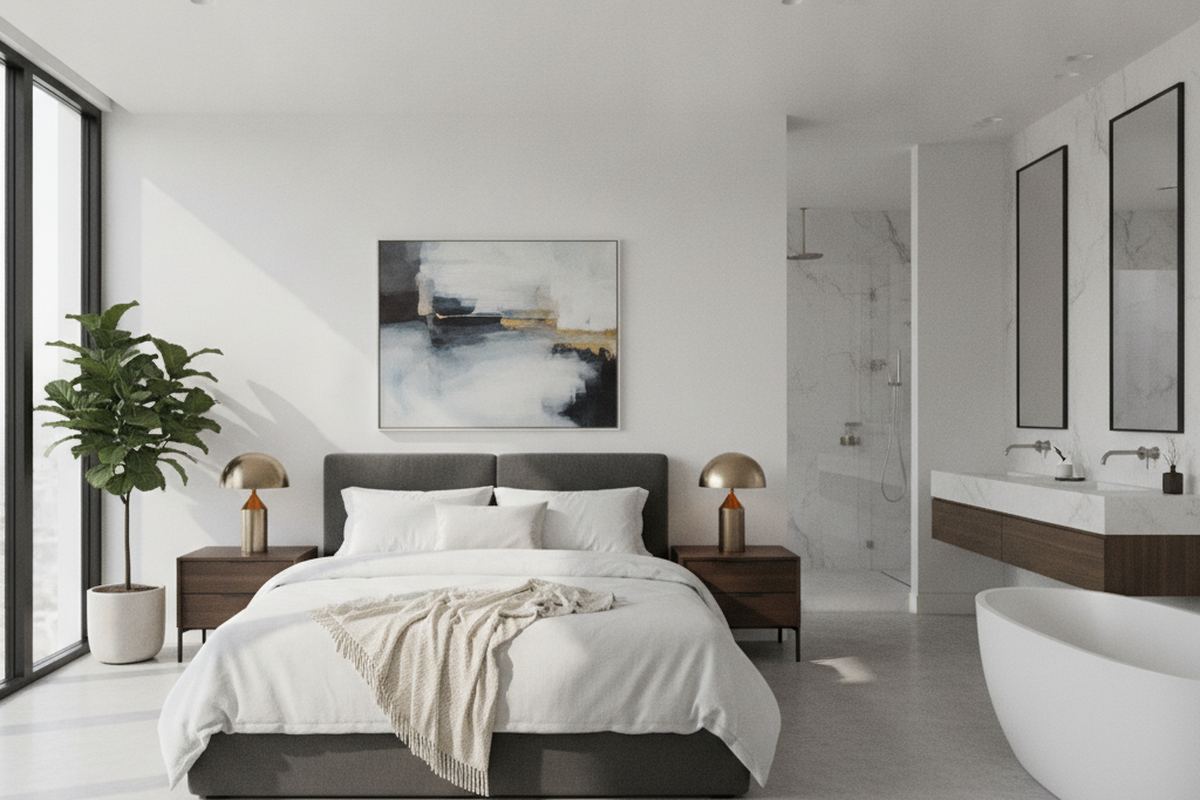
Adding a primary suite can be a substantial home improvement project, often driven by a desire for more space, increased comfort, or enhanced privacy. For many homeowners, the decision involves balancing personal lifestyle improvements with the financial implications, particularly regarding resale value. Understanding the potential costs, the market's response, and how these additions impact your home's worth in 2026 is crucial. This guide provides a data-oriented look at what to expect when considering a primary suite addition.
Defining a Primary Suite Addition
A primary suite addition typically involves expanding your home's footprint to create a new, larger bedroom space, often with an attached bathroom and sometimes a walk-in closet. Unlike a simple bedroom remodel, an addition requires new foundation, framing, roofing, and utility extensions. This complexity means higher costs but also the potential for a significant upgrade in living quality and property value.
The scope of a primary suite addition can vary widely. Some homeowners opt for a basic bedroom and bathroom, while others incorporate luxury elements like a sitting area, double vanity, soaking tub, or even a private balcony. These choices directly influence both the upfront cost and the perceived value to future buyers, making careful planning essential from the outset.
Typical Costs for 2026 Primary Suite Additions
Costs for primary suite additions in 2026 are projected to range significantly based on location, size, and finishes. A modest 200-300 square foot addition might cost between $80,000 and $150,000. This estimate generally includes basic finishes, standard fixtures, and necessary structural work. Factors like regional labor rates, material availability, and permitting fees will cause this range to fluctuate.
For a more luxurious primary suite addition, perhaps 400-600 square feet with high-end materials, custom cabinetry, and premium bathroom features, costs could escalate to $200,000 or even $400,000+. These figures represent the total project cost, encompassing architectural plans, construction, and interior finishes. It is wise to budget an additional 10-20% for unexpected expenses that often arise during major renovations.
Resale Value Impact: What Buyers Pay For
Primary suite additions generally yield a strong return on investment, particularly in markets where homes lack sufficient bedroom and bathroom counts for their size. While specific ROI varies, homeowners can often expect to recoup 50% to 70% of their investment through increased sale price. This percentage can be higher for well-executed additions that align with neighborhood expectations and address a clear market need.
Buyers value modern, functional primary suites that offer comfort and privacy. Key features that enhance resale appeal include spacious layouts, ample natural light, well-appointed en-suite bathrooms with double vanities, and generous closet space. A suite that feels like a private retreat can significantly differentiate a home in a competitive market, attracting buyers willing to pay a premium.
See the real resale ROI on your renovation — before you swing a hammer.
Open the Renovation ROI CalculatorOptimal Design for Maximum Return
To maximize your return, consider designs that blend seamlessly with the existing home's architecture and flow. An addition that looks tacked on can detract from value, while one that appears original can enhance it. Pay attention to rooflines, exterior materials, and window styles to ensure a cohesive look. Inside, ensure the new primary suite does not disproportionately overshadow other areas of the home.
Functionality and smart space planning are critical. A well-designed primary bathroom, for instance, should offer both a shower and a separate tub if space allows, along with thoughtful storage solutions. Incorporating energy-efficient windows, good insulation, and modern HVAC zoning can also add value by reducing future utility costs for potential buyers.
Market Trends and Buyer Preferences in 2026
In 2026, market trends continue to favor homes that offer dedicated personal spaces and updated amenities. With evolving work-from-home dynamics, a spacious primary suite can also serve as a quiet retreat or offer flexible space for a small office nook. Buyers are increasingly seeking move-in ready homes, and a new, well-appointed primary suite eliminates the need for future renovation work.
The demand for multi-generational living also plays a role, making a ground-floor primary suite particularly valuable for its accessibility. While luxury features are appealing, the fundamental aspects like solid construction, good natural light, and a functional layout remain paramount. Understanding what local buyers prioritize will help tailor your addition for the best possible outcome.
Lifestyle Payback: Beyond the Numbers
While financial returns are an important consideration, the "lifestyle payback" of a primary suite addition can be equally significant. For many homeowners, the added space, comfort, and privacy dramatically improve daily living. This could mean a more peaceful night's sleep, a more organized personal space, or simply a greater sense of tranquility within your own home.
The enjoyment you derive from a new primary suite over several years can outweigh a purely financial ROI calculation. If you plan to remain in your home for an extended period, the enhanced quality of life offered by a well-designed addition provides immeasurable value. This personal satisfaction is a factor that financial calculators cannot fully quantify but is often a primary motivator for such projects.
The bottom line
A primary suite addition represents a significant investment, blending financial considerations with personal aspirations. By understanding the typical costs, potential resale value, and key design elements, homeowners can make informed decisions. Balancing the tangible financial return with the intangible lifestyle benefits ensures the project aligns with both your budget and long-term living goals.
Get more guidance like this in your inbox
Weekly emergency-fund tactics, milestone checklists, and the next article — delivered free.
Run your own number
Get a personalized emergency fund target based on your income, expenses, and job stability.
Open the calculator