Radiant Heat Flooring: Which Materials Actually Work
Compatible flooring for hydronic and electric radiant heat, and the max floor surface temp rules.
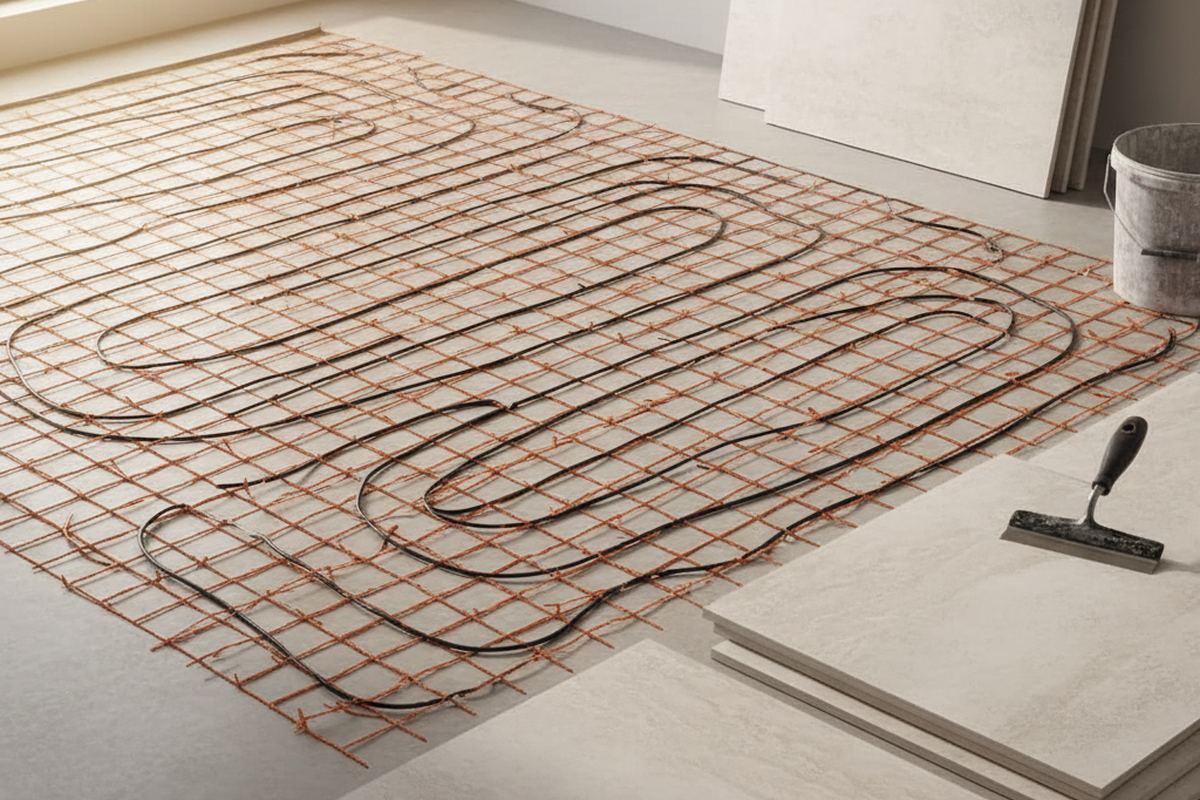
Understanding which flooring materials are compatible with radiant heat systems is crucial for a successful installation and long-term comfort. Not all flooring types respond equally well to the consistent, gentle warmth provided by radiant heat, whether electric or hydronic. Choosing the right material ensures efficient heat transfer, prevents damage to your floors, and maximizes the benefits of this popular heating method. This guide explores the best options and key considerations for homeowners planning a radiant heat system.
Understanding Radiant Heat and Floor Temperatures
Radiant heat systems work by warming surfaces directly, which then radiate heat into the room. This differs from forced-air systems that blow heated air. For optimal performance and to prevent damage, floor surface temperatures are typically kept within a specific range. While comfort levels vary, a common maximum floor surface temperature for most living spaces is around 82-85 degrees Fahrenheit (28-29 degrees Celsius). Bathrooms and entryways, where people might stand barefoot, can sometimes go slightly higher, but exceeding these limits risks damaging certain flooring materials and can feel uncomfortably warm.
The heat output of a radiant system is influenced by the flooring's thermal conductivity and R-value. Materials with low R-values (like tile) conduct heat more efficiently, allowing the room to warm up quickly. Materials with higher R-values (like thick carpet) can insulate the heat, making the system work harder and potentially leading to less efficient heating. It is important to consider the combined R-value of the flooring and any underlayment when designing your radiant heat system to ensure adequate heat output for your space.
Ceramic and Porcelain Tile: Top Performers
Ceramic and porcelain tiles are often considered the gold standard for radiant heat flooring. Their high thermal conductivity means they absorb and transfer heat very efficiently, providing excellent warmth throughout the room. Once heated, tile floors retain warmth for an extended period, contributing to energy efficiency. This makes them particularly suitable for bathrooms, kitchens, and other areas where durability and consistent warmth are desired.
Installation requires careful attention to the mortar and grout used, as these must also be compatible with temperature fluctuations. Flexible, polymer-modified thin-set mortars and grouts are recommended to accommodate the slight expansion and contraction that occurs with heating and cooling cycles, preventing cracking. Ensure the subfloor is stable and properly prepared to support the tile and radiant system for a lasting installation.
Natural Stone: Elegant and Effective
Similar to tile, natural stone materials like marble, granite, and slate are excellent conductors of heat. They offer a luxurious aesthetic and perform exceptionally well with radiant heating, providing a consistent and comfortable warmth. Stone's thermal mass means it holds heat for a long time, contributing to stable room temperatures and potentially lowering heating costs over time. The natural variations in stone also add unique character to any space.
However, natural stone can be more expensive to purchase and install than tile. It also requires a very sturdy subfloor due to its weight. As with tile, using appropriate, flexible setting materials is critical to prevent cracking. Some softer stones might require sealing to protect against moisture and stains, which should be done with products compatible with radiant heat systems.
Estimate flooring cost by square footage and material — with waste factor and install labor baked in.
Open the Flooring Cost CalculatorEngineered Wood: A Practical Option
Engineered wood flooring can be a good choice for radiant heat, provided specific guidelines are followed. Unlike solid hardwood, engineered wood is constructed with multiple layers that make it more dimensionally stable and less prone to warping or gapping when exposed to temperature changes. Look for engineered wood products specifically rated for radiant heat applications, as these often have thinner profiles and more stable core materials.
The crucial factor for engineered wood is maintaining stable temperature and humidity levels. The floor surface temperature should not exceed 82 degrees Fahrenheit (28 degrees Celsius). It is also important to allow the flooring to acclimate to the environment for several days before installation. Using a floating installation method or a compatible adhesive is generally recommended. Avoid very thick engineered wood planks, as they can reduce heat transfer efficiency.
- Acclimate flooring to room conditions (temperature and humidity) for 5-7 days.
- Maintain floor surface temperature below 82°F (28°C).
- Use compatible adhesives for glue-down installations.
- Consider thinner planks for better heat transfer.
Laminate and Vinyl: Modern Choices
Many laminate and luxury vinyl plank (LVP) or tile (LVT) products are now designed to be compatible with radiant heating. These materials are generally thinner than engineered wood, which can allow for more efficient heat transfer. Their layered construction provides stability against temperature fluctuations. When selecting laminate or vinyl, always confirm with the manufacturer that the specific product is rated for radiant heat systems and adhere to their installation guidelines.
As with engineered wood, strict adherence to maximum floor surface temperatures (typically 82°F or 28°C) is essential to prevent damage such as warping, delamination, or off-gassing. Some manufacturers may also specify particular underlayments that are suitable for radiant heat. Look for products with low VOC emissions, especially when heating, to maintain good indoor air quality.
Carpeting and Rugs: Use With Caution
Carpeting can be used over radiant heat, but it is generally less efficient due to its insulating properties. Thick carpets and dense padding can significantly impede heat transfer, making the radiant system work harder and reducing its effectiveness. If you choose carpet, select a low-pile carpet with a thin, dense pad that has a combined R-value of no more than R-2.5. This allows for reasonable heat flow while still providing comfort.
It is crucial to verify with both the carpet and radiant heat system manufacturers for compatibility. Ensure the adhesive used for glue-down carpets is rated for radiant heat applications. While carpeting can feel warm underfoot, it may not be the most energy-efficient choice for heating an entire room with radiant technology.
The bottom line
Selecting the right flooring for your radiant heat system is a decision that impacts both comfort and efficiency. By understanding the thermal properties of different materials and adhering to manufacturer guidelines for temperature limits and installation, you can create a warm, inviting, and energy-efficient home. Prioritize materials known for good thermal conductivity and stability to maximize the benefits of your radiant heating investment.
Get more guidance like this in your inbox
Weekly emergency-fund tactics, milestone checklists, and the next article — delivered free.
Run your own number
Get a personalized emergency fund target based on your income, expenses, and job stability.
Open the calculator