Raised Beds vs In-Ground Garden: Which Wins?
Raised beds vs in-ground for cost, yield, and effort — the honest comparison.
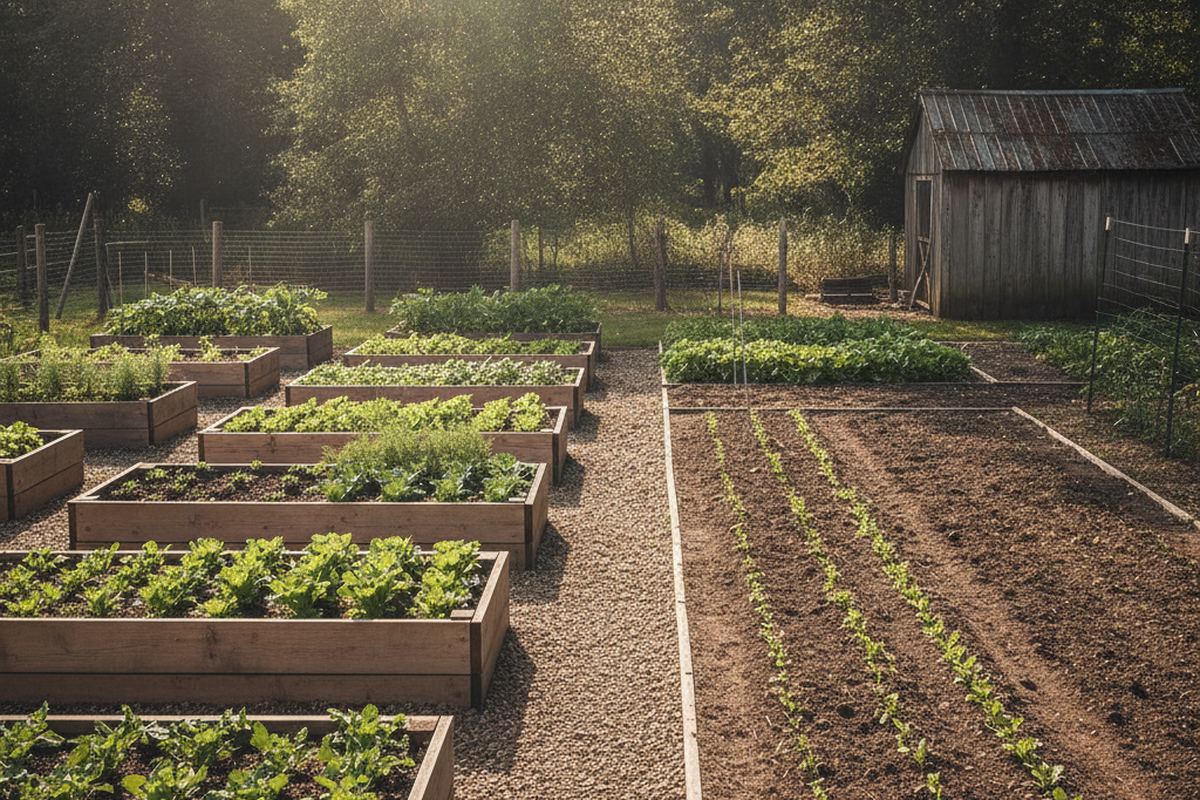
Deciding between a raised garden bed and an in-ground garden is a common dilemma for new and experienced gardeners alike. Both approaches offer distinct advantages and disadvantages concerning initial setup, long-term maintenance, and overall yield. Understanding these differences can help you make an informed choice that aligns with your gardening goals, available space, and budget. This comparison will explore key factors to consider, providing a clear picture of what each method entails.
Initial Setup Costs and Labor
Starting an in-ground garden typically involves lower initial monetary costs. You primarily need to prepare the soil, which might include tilling, amending with compost, and potentially adding some fertilizer. The labor, however, can be significant, particularly if your soil is compacted, rocky, or requires extensive amendment. For a new 100-square-foot plot, you might spend $50-$150 on soil amendments and tools, but several hours to a full day of physical labor preparing the ground.
Raised beds, conversely, have a higher upfront material cost. You'll need lumber (untreated cedar or redwood are popular choices for longevity), composite materials, or even stone to construct the bed walls. Filling these beds requires a substantial amount of soil, often a blend of topsoil, compost, and potting mix, which can be purchased in bulk. A 4x8-foot raised bed (32 square feet) might cost $150-$400 for materials and soil, but the physical labor for construction and filling is often less strenuous than breaking new ground.
- In-ground: Lower material cost, higher labor for soil preparation.
- Raised beds: Higher material cost, less strenuous initial labor.
Soil Quality and Management
In-ground gardens depend entirely on your native soil. If you have rich, well-draining loam, you're in great shape. However, many properties have heavy clay, sandy soil, or compacted earth that requires years of consistent amendment to improve. Managing pH, nutrient deficiencies, and soil-borne diseases can be an ongoing challenge that directly impacts plant health and yield. Soil testing is highly recommended for in-ground plots to understand baseline conditions.
Raised beds offer immediate control over soil quality. You can fill them with an ideal blend of high-quality topsoil, compost, and other amendments from day one, creating an optimal growing environment. This allows for better drainage, aeration, and nutrient availability, which can lead to healthier plants and higher yields. The contained nature of raised beds also helps prevent soil compaction and can reduce the incidence of certain soil-borne pests and diseases.
Drainage and Water Usage
In-ground gardens generally benefit from natural drainage, especially if your native soil is well-draining. However, in areas with heavy clay or poor percolation, water can sit, leading to root rot and other issues. Water retention in in-ground beds can also be a concern in sandy soils, requiring more frequent irrigation. Efficient watering strategies like drip irrigation can mitigate some of these challenges, but soil type remains a primary factor.
Raised beds typically offer superior drainage due to their elevated structure and custom soil mix. This is particularly advantageous in areas with heavy rainfall or poor native soil. However, this excellent drainage means raised beds can dry out more quickly than in-ground gardens, especially during hot, dry periods. You might need to water raised beds more frequently, or consider incorporating water-retaining amendments like vermiculite or coco coir into your soil blend.
Plan a real garden — bed size, soil, mulch, and grocery-equivalent yield.
Open the Garden PlannerPest and Weed Control
Weed management can be a significant time commitment in in-ground gardens. Weed seeds are abundant in native soil and can easily spread from surrounding areas. Certain pests, like nematodes or voles, can also be challenging to control in open ground. Barriers, companion planting, and diligent weeding are essential strategies for minimizing their impact on your crops.
Raised beds can offer a distinct advantage in pest and weed control. The contained environment means fewer weed seeds blow in from surrounding areas, and you can add a barrier fabric at the bottom to prevent weeds from growing up from below. Raised beds also make it easier to install protective netting or covers against flying insects and can deter some ground-dwelling pests like slugs and snails by creating a physical barrier. The elevated height also makes weeding less strenuous on your back.
Accessibility and Aesthetics
In-ground gardens can be designed to blend seamlessly with your landscape, offering a natural aesthetic. However, they can be less accessible for individuals with mobility challenges, as they require bending and kneeling directly on the ground. Pathways around in-ground beds can help, but the working height remains low. The overall appearance is often more rustic and integrated into the surrounding environment.
Raised beds are a game-changer for accessibility. Their elevated height reduces the need for extensive bending and kneeling, making gardening more comfortable for people of all ages and physical abilities. They also offer a clean, defined look that can enhance the aesthetic appeal of a backyard, providing a structured and organized appearance. Raised beds can be built to varying heights, including waist-level, to maximize comfort and ease of access.
Season Extension and Flexibility
In-ground gardens warm up more slowly in the spring and retain heat longer into the fall compared to raised beds. This can sometimes delay planting in cooler climates but also extends the harvest season for some late-season crops. Season extension for in-ground beds typically involves row covers or cold frames, which require specific anchoring and management to be effective.
Raised beds warm up more quickly in the spring, allowing for earlier planting and potentially an earlier harvest. This is due to the soil being exposed to more ambient air circulation. They also cool down faster in the fall. Raised beds are exceptionally well-suited for season extension techniques; it's easier to attach hoops for row covers, construct mini-greenhouses, or add cloches directly to the bed structure, providing greater flexibility for year-round gardening in many regions.
Long-Term Maintenance and Yields
Long-term maintenance for in-ground gardens involves consistent soil amendment to maintain fertility and structure, ongoing weed control, and diligent pest management. While the initial cost is lower, the continuous effort to battle nature's elements can be substantial. Yields can be excellent in well-maintained in-ground plots, especially once the soil ecosystem is established over several seasons, but can be inconsistent if soil quality is poor or neglected.
Raised beds require less weeding and generally offer more predictable yields due to controlled soil conditions. However, the soil in raised beds can deplete faster and may need annual replenishment of compost and nutrients. Over time, the material of the bed itself will also need maintenance or replacement, typically every 5-15 years depending on the chosen material. The consistent optimal growing environment often translates to higher, more reliable yields per square foot compared to average in-ground gardens.
The bottom line
Both raised beds and in-ground gardens offer rewarding experiences, but your ideal choice depends on your specific circumstances. Consider your budget, the quality of your native soil, your physical capabilities, and the aesthetic you desire for your outdoor space. By carefully weighing these factors, you can select the gardening method that best supports your success and enjoyment.
Get more guidance like this in your inbox
Weekly emergency-fund tactics, milestone checklists, and the next article — delivered free.
Run your own number
Get a personalized emergency fund target based on your income, expenses, and job stability.
Open the calculator