The Real Cost of Commuting in 2026
Fuel, wear, parking, transit, and time — the full 2026 commute cost math.
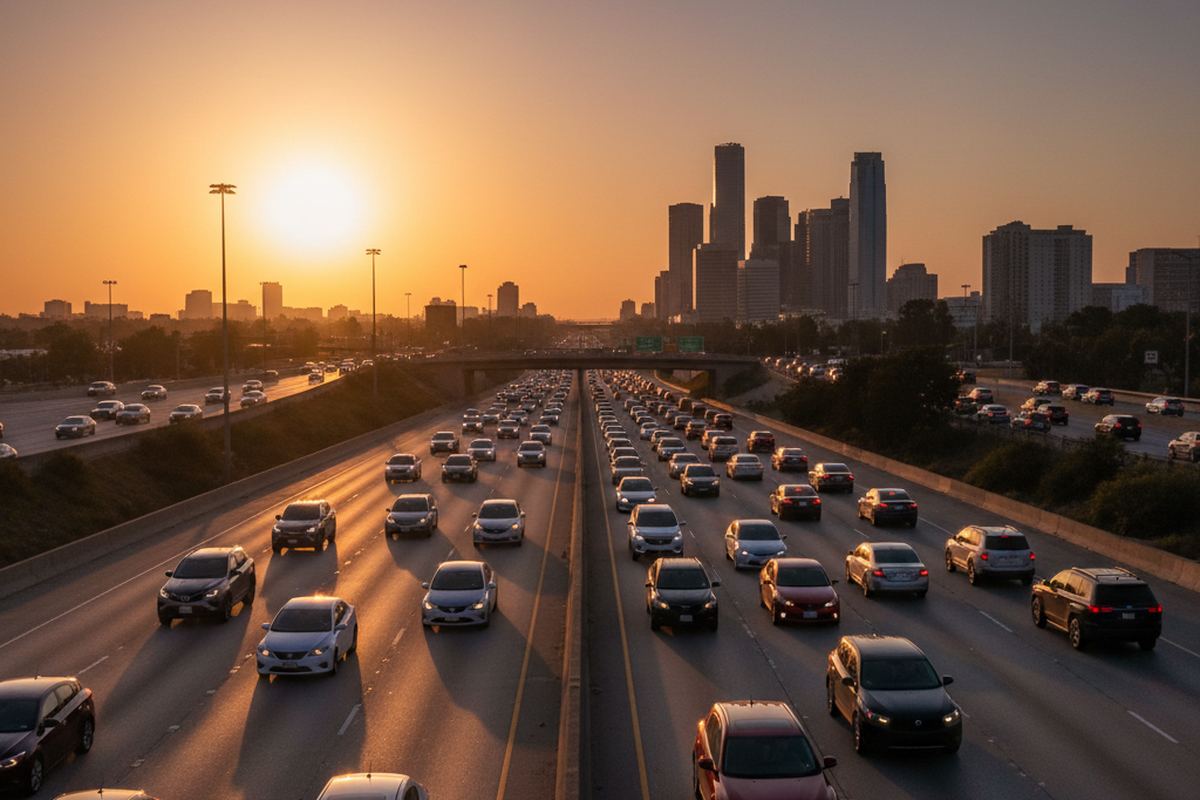
Commuting is more than just the gas in your tank or the fare for your train ride. For many Americans, it represents a significant, often underestimated, portion of their monthly budget and daily time. Understanding the true financial and personal cost of your commute in 2026 is crucial for making informed decisions about where you live, where you work, and how you travel. This guide breaks down the various factors that contribute to your commute's real price tag, helping you evaluate your options.
Understanding Your Driving Expenses
Driving costs extend beyond immediate fuel purchases. In 2026, gasoline prices are expected to fluctuate, but a reasonable average might range from $3.50 to $4.50 per gallon. For a 30-mile round trip commute, five days a week, a vehicle averaging 25 miles per gallon would consume approximately 12 gallons weekly, totaling $42 to $54 in fuel alone. This figure quickly escalates with longer distances or less fuel-efficient vehicles.
Beyond fuel, vehicle depreciation, maintenance, and insurance are significant. Annual depreciation can be 10-15% of a car's value, or $3,000-$6,000 for a new mid-range vehicle. Maintenance, including oil changes, tires, and unexpected repairs, typically costs $500-$1,000 annually. Parking fees, tolls, and potential traffic fines further inflate the total, easily adding hundreds or even thousands of dollars per year depending on your location and route.
- Fuel: $42-$54 weekly for a 30-mile round trip
- Depreciation: $3,000-$6,000 annually
- Maintenance: $500-$1,000 annually
- Parking/Tolls: Highly variable, potentially $0-$200+ monthly
Estimating Public Transit Outlays
Public transit offers a potentially more predictable cost structure compared to driving. Monthly passes for buses or trains in major metropolitan areas in 2026 might range from $75 to $250, depending on the system and zone coverage. This often covers unlimited rides within the service area, providing a fixed expense regardless of daily usage. The lack of parking fees, fuel costs, and vehicle maintenance can make this an attractive alternative.
However, transit costs aren't always flat. Some systems use fare cards that charge per ride, or offer tiered pricing based on distance. If your commute requires transfers between different agencies, you might incur additional fees. The total cost can also include 'last mile' solutions, such as ride-shares, scooters, or feeder buses, to get from the transit stop to your final destination, which can add $5-$15 per trip.
The Value of Your Commute Time
Time is a non-renewable resource, and the hours spent commuting have a real economic value. If your round-trip commute is one hour daily, five days a week, you spend approximately 260 hours annually in transit. For someone earning $30 per hour, this represents $7,800 in lost productive time or leisure. This opportunity cost is often overlooked but significantly impacts overall well-being and personal finances.
Beyond the direct financial calculation, long commutes contribute to stress, fatigue, and reduced personal time. This can affect health, relationships, and the ability to pursue hobbies or further education. While difficult to quantify precisely, these intangible costs can have a profound impact on quality of life, making a shorter or more enjoyable commute a valuable investment.
- Average US commute: ~27 minutes one way
- Annual time commitment: ~260 hours for a one-hour daily round trip
Total your commute cost — fuel, parking, wear, transit, and the value of your time.
Open the Commute Cost CalculatorHybrid Work Model Considerations
The hybrid work model, blending in-office and remote days, introduces a nuanced approach to commute costs. If you commute only two or three days a week, your driving expenses for fuel, parking, and tolls will naturally decrease. For example, commuting three days a week instead of five could reduce your weekly fuel bill from $50 to $30, saving $20 weekly or over $1,000 annually on fuel alone.
However, fixed costs like vehicle depreciation, insurance, and some maintenance expenses remain largely consistent regardless of how many days you drive. Public transit users might find daily fares more expensive than a monthly pass if they commute infrequently. Evaluating hybrid commute costs requires balancing reduced variable expenses against persistent fixed costs and the potential for less cost-effective per-trip transit options.
The Financial Benefits of Full Remote Work
Forgoing a commute entirely by working remotely eliminates a substantial portion of travel-related expenses. Savings on fuel, public transit passes, parking fees, and tolls can easily amount to hundreds or even thousands of dollars per month. A conservative estimate for annual savings for a remote worker could range from $2,000 to $6,000, factoring in reduced vehicle wear and tear and incidental commute costs like coffee or lunch purchases.
Beyond direct savings, remote work can also lead to indirect financial advantages. Reduced stress might lead to fewer health-related expenses, and the extra time gained can be used for side hustles, personal development, or family care, potentially boosting income or reducing other household expenditures. The complete elimination of commute time also offers invaluable personal flexibility.
- Annual savings for remote workers: $2,000-$6,000+
- No fuel, parking, tolls, or transit fares
- Reduced vehicle maintenance and depreciation
Hidden Commute Costs and Environmental Impact
Beyond the obvious, several hidden costs subtly impact your commute's total. These include increased wear and tear on your vehicle, leading to more frequent maintenance and reduced resale value. The mental and emotional toll of traffic, delays, or crowded public transport can result in higher stress levels, potentially impacting health and productivity. Incidental purchases like coffee, snacks, or emergency items bought during a commute also add up.
The environmental impact of commuting is another often-unaddressed cost. Driving contributes to carbon emissions, air pollution, and urban sprawl. While not a direct financial cost to the individual, societal and environmental costs are borne by communities. Opting for public transit, carpooling, cycling, or remote work can collectively reduce this burden, offering broader benefits beyond personal savings.
The bottom line
Calculating the true cost of your commute in 2026 involves more than just a quick glance at your gas receipt or transit pass. By considering all direct and indirect expenses, including the value of your time, you can gain a comprehensive understanding of its impact. Use this information to evaluate your current situation and explore alternatives that better align with your financial goals and personal well-being.
Get more guidance like this in your inbox
Weekly emergency-fund tactics, milestone checklists, and the next article — delivered free.
Run your own number
Get a personalized emergency fund target based on your income, expenses, and job stability.
Open the calculator