The Real Cost of an Inground Pool in 2026
Concrete, vinyl, and fiberglass inground pool cost with 2026 US pricing.
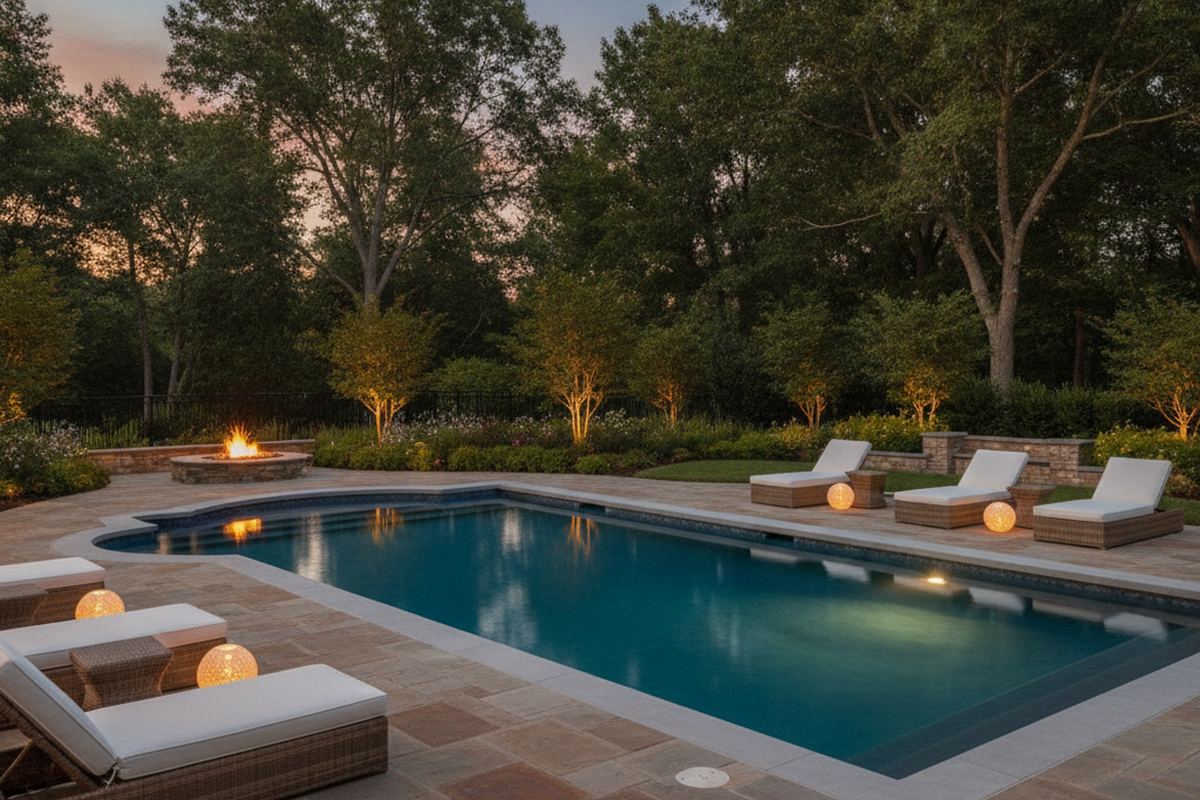
Considering an inground pool can add significant value and enjoyment to your home, but understanding the financial commitment is crucial. Beyond the initial installation, there are ongoing expenses for maintenance, utilities, and potential repairs. This guide breaks down the real costs associated with owning an inground pool in 2026, helping you budget effectively for this substantial home improvement. We'll explore various pool types, installation factors, and long-term financial implications.
Understanding Initial Installation Costs by Pool Type
The primary driver of inground pool cost is the type of material chosen. Fiberglass pools typically range from $45,000 to $85,000 installed, offering a quicker installation time and lower long-term maintenance due to their non-porous surface. Vinyl liner pools are generally more affordable upfront, with costs ranging from $40,000 to $70,000. While their initial price is attractive, liner replacements are a recurring expense every 8-12 years, costing between $4,000 and $8,000.
Concrete (Gunite/Shotcrete) pools represent the highest initial investment, usually falling between $70,000 and $120,000 or more, depending on customization. These pools are highly durable and offer unparalleled design flexibility, allowing for unique shapes and features. However, they require more extensive installation time and typically incur higher maintenance costs due to their porous surface, which necessitates more frequent cleaning and chemical use.
Key Factors Influencing Your Pool's Price Tag
Several variables beyond the pool type significantly impact the final cost. Site accessibility is a major factor; difficult-to-access yards requiring specialized equipment or manual labor can add $5,000 to $15,000. Soil conditions also play a role; rocky terrain or a high water table may necessitate additional excavation, dewatering, or structural reinforcement, potentially increasing costs by $3,000 to $10,000.
The size and depth of the pool are directly correlated with material and labor expenses. A larger or deeper pool requires more concrete, liner, or fiberglass material, as well as more water to fill and heat. Custom features, such as integrated spas, waterfalls, tanning ledges, or infinity edges, can add anywhere from $5,000 to $30,000 or more to the total project cost, transforming a basic pool into a luxurious backyard oasis.
- Pool size and depth
- Site accessibility and soil conditions
- Custom features (spas, waterfalls, lighting)
- Decking and landscaping surrounding the pool
- Permits and local regulations
Essential Equipment and Setup Costs
Beyond the pool shell, critical equipment is necessary for operation. A basic pump and filter system will cost between $1,500 and $4,000. Heating options vary widely: a gas heater might cost $3,000-$7,000 to install, while a more energy-efficient heat pump could be $5,000-$10,000. Solar heating systems, while having a higher upfront cost of $4,000-$8,000, offer lower operating expenses over time. Automated cleaning systems, such as robotic cleaners, range from $500 to $2,000.
Safety features are non-negotiable and often mandated by local ordinances. Fencing typically costs $20-$60 per linear foot, totaling $2,000 to $8,000 for an average-sized pool area. Pool covers, whether manual or automatic, help with safety, reduce evaporation, and retain heat. Manual covers can be $500-$2,000, while automatic safety covers might cost $5,000-$15,000, offering significant convenience and enhanced safety.
Estimate real inground and above-ground pool cost — build plus annual upkeep — in under a minute.
Open the Pool Cost EstimatorLandscaping and Decking Considerations
The area immediately surrounding your pool, known as the coping and decking, significantly impacts both aesthetics and functionality. Concrete decking is the most economical option, costing $8-$15 per square foot. Pavers offer a more decorative look and can range from $15-$30 per square foot, while natural stone, such as travertine or flagstone, can exceed $30-$50 per square foot.
Landscaping elements, including plantings, lighting, and irrigation, contribute to the overall ambiance and usability of your pool area. Basic landscaping might add $2,000-$5,000, while a comprehensive design with mature plants, intricate lighting, and water features could easily push costs to $10,000-$30,000 or more. These elements transform a simple pool into a complete backyard retreat.
Annual Operating and Maintenance Expenses
Once installed, inground pools incur ongoing operational costs. Chemical expenses for balancing pH, alkalinity, and sanitizers typically range from $300 to $800 annually, depending on pool size and usage. Electricity for pumps, filters, and heaters can add $500 to $1,500 per year, with heated pools at the higher end. Water costs, including refills due to evaporation or backwashing, might be $100-$300 annually.
Professional pool cleaning services can range from $100 to $200 per month, or $1,200 to $2,400 annually, for those who prefer not to handle maintenance themselves. Beyond routine cleaning, occasional repairs to equipment, liner replacements (for vinyl pools), or resurfacing (for concrete pools every 10-15 years, costing $8,000-$15,000) contribute to the long-term cost of ownership. Budgeting for these recurring and periodic expenses is essential for responsible pool ownership.
Hidden Costs and Long-Term Value
Don't overlook potential hidden costs. Increased homeowner's insurance premiums, ranging from $50 to $300 annually, are common. Property taxes may also increase due to the added value a pool brings to your home. Additionally, utility costs can fluctuate based on usage, local rates, and the efficiency of your pool equipment. It's prudent to set aside an emergency fund for unexpected repairs, as pool equipment can fail without warning.
Despite the significant investment, an inground pool can enhance your lifestyle and potentially increase your home's resale value. While the return on investment varies widely by region and market, a well-maintained pool can boost home value by 5% to 10% in some areas. The intangible benefits of enjoyment, recreation, and family memories often outweigh the purely financial considerations for many homeowners.
Financing Your Inground Pool Project
Several financing options are available for an inground pool. A home equity loan or line of credit (HELOC) often provides favorable interest rates, leveraging the equity in your home. Personal loans are another option, though they typically have higher interest rates and shorter repayment terms. Some pool contractors also offer in-house financing programs, which can be convenient but warrant careful review of terms and conditions.
Before committing, obtain multiple quotes from reputable pool builders. Ensure these quotes are comprehensive, detailing all aspects from excavation to decking, equipment, and permits. Compare not just the price, but also the scope of work, warranty, and reputation of each contractor. A detailed understanding of the project's financial landscape from the outset helps prevent unexpected costs and ensures a smoother installation process.
The bottom line
Installing an inground pool is a significant financial undertaking that requires careful planning and budgeting. By understanding the various costs associated with different pool types, installation factors, equipment, and ongoing maintenance, homeowners can make informed decisions. Consider all aspects, from initial build to long-term care, to ensure your investment brings years of enjoyment without financial strain.
Get more guidance like this in your inbox
Weekly emergency-fund tactics, milestone checklists, and the next article — delivered free.
Run your own number
Get a personalized emergency fund target based on your income, expenses, and job stability.
Open the calculator