Retaining Wall Cost by Material and Height
The 2026 retaining wall pricing by material, height, and reinforcement.
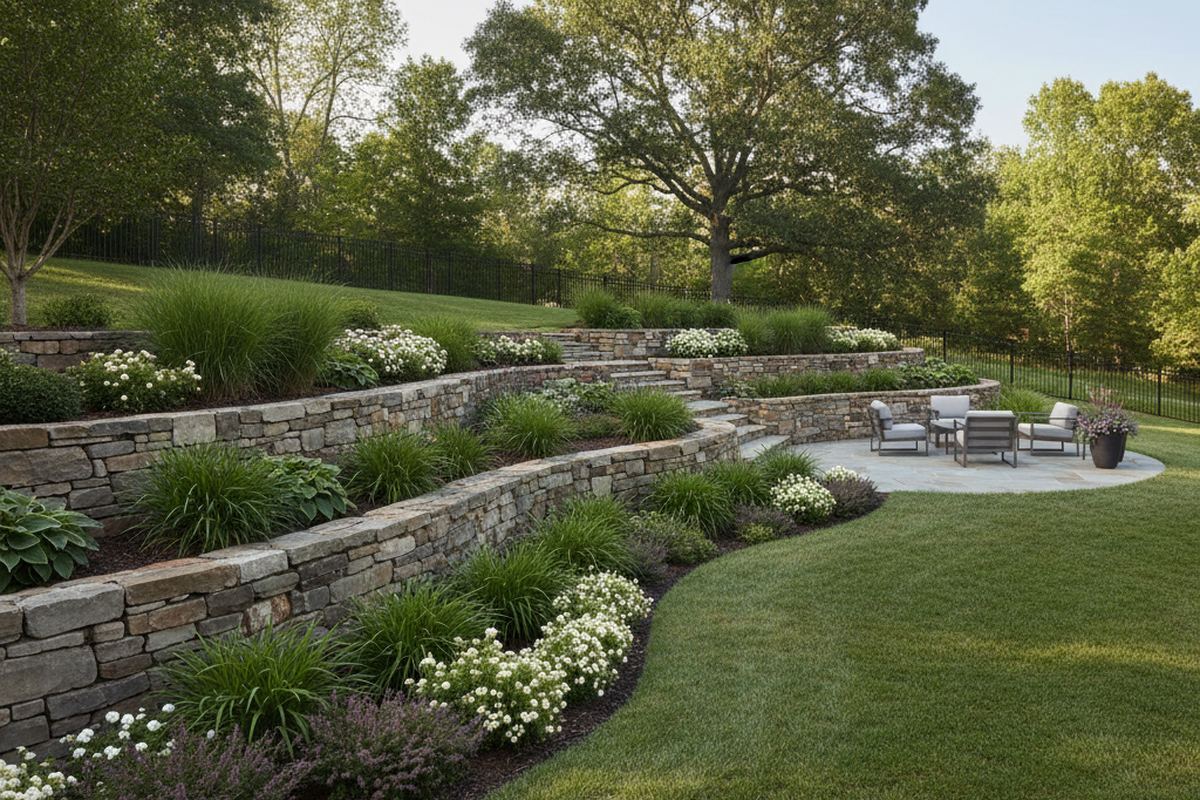
Retaining walls serve a crucial role in landscaping, preventing soil erosion, managing water runoff, and creating usable, level spaces on sloped terrain. Understanding the potential costs involved is essential for any homeowner planning such a project. The total expense can vary significantly based on factors like material choice, wall height, and the need for specialized engineering or drainage. This guide breaks down the typical costs homeowners can expect for retaining wall construction in 2026, helping you budget effectively for your outdoor improvements.
Key Factors Influencing Retaining Wall Costs
The primary drivers of retaining wall expenses are material selection, wall height and length, and site preparation. Material costs can range widely, from economical options like treated timber to more premium choices such as natural stone. Taller and longer walls naturally require more materials and labor, escalating the overall price. The complexity of the installation, including excavation, backfill, and drainage systems, also plays a significant role in the final bill.
Beyond materials and dimensions, site-specific challenges can add to the budget. Steep slopes may require more extensive excavation and specialized equipment. Poor soil conditions might necessitate soil stabilization or additional foundational work. Accessibility to the construction site can also impact labor costs, especially if materials need to be transported manually over long distances. Always account for these variables when estimating your project's total cost.
Treated Timber and Railroad Ties: Economical Options
Treated timber offers one of the most budget-friendly options for retaining walls, typically costing between $15 to $40 per square foot installed in 2026. This material is relatively easy to work with, making labor costs lower than for heavier materials. Timber walls are suitable for heights up to about 3-4 feet and are often chosen for garden beds or smaller landscape terraces. Their lifespan, however, is generally shorter than other materials, often 15-25 years, even with proper treatment.
Railroad ties present a similar cost profile, usually ranging from $18 to $45 per square foot. While they offer a rustic aesthetic, their availability and quality can vary. Both timber and railroad tie walls require adequate drainage and proper anchoring to prevent bowing or collapse, especially for taller structures. For walls exceeding 4 feet, engineers typically recommend alternative, more robust materials due to the hydrostatic pressure exerted by the soil.
Concrete Blocks and Pavers: Versatile and Durable
Segmental concrete blocks (CMUs) and interlocking pavers are popular choices due to their versatility, durability, and a wide range of aesthetic options. The installed cost for these materials typically falls between $25 to $60 per square foot in 2026. These systems are designed to interlock, providing structural integrity without mortar, and can be used for walls ranging from small decorative borders to substantial erosion control structures up to 6 feet or more.
The installation process for concrete block walls often involves careful leveling of the base course, precise placement, and proper backfilling with gravel for drainage. For walls over 4 feet, engineering specifications might require geogrid reinforcement, which adds to both material and labor costs. Despite the potentially higher initial investment compared to timber, concrete block walls offer excellent longevity, often lasting 50 years or more with proper installation and maintenance.
- Standard concrete blocks: $25 - $45 per sq ft
- Decorative/architectural blocks: $35 - $60 per sq ft
- Geogrid reinforcement: adds $3 - $8 per sq ft
Build a phased landscaping budget — hardscape, softscape, irrigation — that fits your yard.
Open the Landscaping Budget PlannerNatural Stone and Boulders: Premium Aesthetic and Longevity
Natural stone, whether dry-stacked or mortared, provides a premium, timeless aesthetic and exceptional durability. Costs for natural stone retaining walls can range from $45 to $80 per square foot for dry-stacked walls and $60 to $120+ per square foot for mortared stone, installed in 2026. The wide range reflects the type of stone (e.g., fieldstone, granite, limestone), its availability, and the complexity of its placement.
Boulders, often used for a more rugged and natural look, can cost between $30 to $70 per square foot, depending on size and placement difficulty. Both natural stone and boulder walls require skilled craftsmanship and heavy equipment for larger pieces, significantly contributing to labor costs. While the upfront investment is higher, these walls offer superior strength, longevity, and property value enhancement.
Reinforcement and Drainage: Essential for Stability
Proper reinforcement and drainage are critical for the long-term stability and performance of any retaining wall, especially those exceeding 3-4 feet in height. Geogrid, a polymeric material laid horizontally within the backfill, strengthens the soil mass and is often required by local building codes for taller walls. The cost of geogrid materials and installation can add $3 to $8 per square foot to the total project.
Effective drainage systems, including perforated drain pipes (French drains) behind the wall and weep holes, prevent hydrostatic pressure buildup. Without adequate drainage, water saturation can lead to wall failure. Drainage materials and installation typically add $5 to $15 per linear foot of the wall. Neglecting these components to save money upfront can lead to costly repairs or even complete reconstruction later.
Labor and Additional Project Costs
Labor typically accounts for 40% to 60% of the total retaining wall project cost. Skilled installers charge hourly rates or project-based fees, reflecting their expertise in excavation, foundation preparation, material placement, and finishing. Complex designs, challenging site access, or the need for specific heavy equipment will increase labor expenses. Always obtain detailed quotes that itemize labor and material costs.
Beyond materials and direct labor, other potential costs include permits (often required for walls over a certain height, e.g., 3-4 feet), engineering consultations (especially for walls over 4 feet or in challenging soil conditions), and the removal of excavated soil. These additional expenses can range from a few hundred to several thousand dollars, depending on the project's scale and local regulations. Always factor in a contingency budget of 10-20% for unforeseen issues.
The bottom line
Planning a retaining wall project involves careful consideration of materials, height, and site-specific needs. By understanding the cost drivers discussed here and obtaining multiple detailed quotes, homeowners can make informed decisions. Prioritizing proper engineering and drainage, even if it adds to the initial expense, will ensure a durable and stable structure that enhances your property for decades.
Get more guidance like this in your inbox
Weekly emergency-fund tactics, milestone checklists, and the next article — delivered free.
Run your own number
Get a personalized emergency fund target based on your income, expenses, and job stability.
Open the calculator