Roof Replacement Cost Guide 2026 (By Material and Size)
A complete 2026 guide to roof replacement cost by square footage, pitch, and roofing material — with typical price ranges and hidden costs.
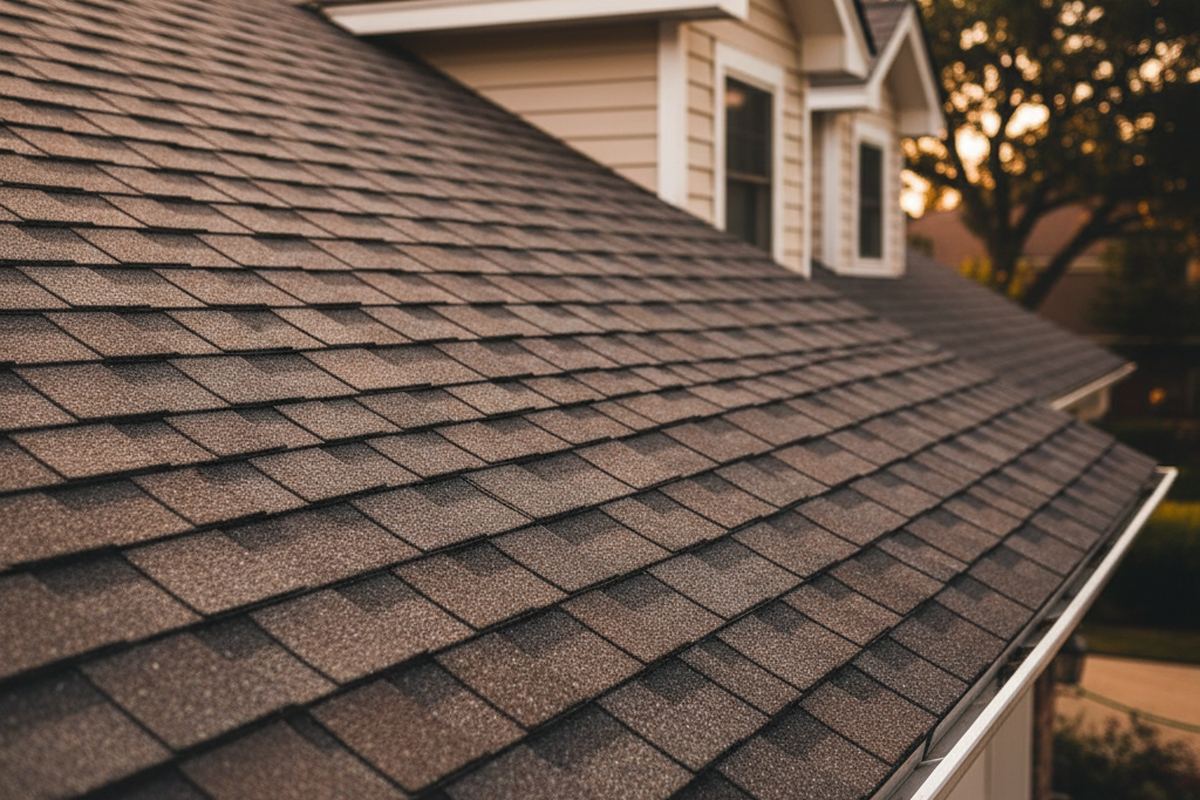
Replacing your roof is a significant home improvement project, often representing one of the largest investments a homeowner makes. Understanding the various factors that influence the total cost is essential for effective budgeting and planning. This guide provides a detailed breakdown of roof replacement costs for 2026, considering different materials, roof sizes, and potential hidden expenses. With accurate information, you can approach your project with confidence and make informed decisions.
Understanding the Core Cost Factors for 2026
The primary determinants of your roof replacement cost in 2026 are the square footage of your roof, the chosen material, and the complexity of the roof's design. Larger roofs naturally require more materials and labor. Material choices range widely in price, durability, and aesthetic appeal, from economical asphalt shingles to premium metal or tile options. The pitch and architectural style of your roof also play a significant role, as steeper or more intricate designs demand specialized labor and more time.
Labor rates vary by region and contractor experience, typically accounting for 40% to 60% of the total project cost. In 2026, expect labor costs to average between $4.50 and $9.00 per square foot, depending on local market conditions and roof complexity. Accessibility, such as a multi-story home or challenging landscaping, can also add to labor expenses due to the need for additional safety measures or equipment.
Cost Breakdown by Common Roofing Materials
Asphalt shingles remain the most popular and budget-friendly option. For 2026, expect architectural asphalt shingles to cost between $5.00 and $9.00 per square foot installed. This range includes both material and labor. They offer good durability and come in various styles and colors, making them a versatile choice for many homeowners. Their relatively straightforward installation also helps keep labor costs down.
Metal roofing, including standing seam and corrugated options, offers superior longevity and energy efficiency, but at a higher upfront cost. In 2026, metal roofs typically range from $10.00 to $20.00 per square foot installed. Tile roofs, such as clay or concrete, provide exceptional durability and a distinct aesthetic, usually costing between $12.00 and $25.00 per square foot. Wood shakes, while beautiful, require more maintenance and generally fall between $9.00 and $18.00 per square foot.
- Architectural Asphalt Shingles: $5.00 - $9.00 per sq ft
- Metal Roofing: $10.00 - $20.00 per sq ft
- Clay/Concrete Tile: $12.00 - $25.00 per sq ft
- Wood Shakes: $9.00 - $18.00 per sq ft
Impact of Roof Size and Pitch on Total Expenses
The total square footage of your roof directly correlates with material and labor expenses. A typical 1,500 square foot roof replacement using architectural asphalt shingles might cost between $7,500 and $13,500. For a larger 2,500 square foot roof with the same material, the cost would likely range from $12,500 to $22,500. These figures illustrate the linear relationship between roof size and overall project cost.
Roof pitch, or the steepness of your roof, is another critical factor. A low-slope roof (e.g., 2/12 to 4/12) is generally easier and faster to work on, reducing labor costs. Steeper roofs (e.g., 7/12 or higher) require more safety equipment, specialized techniques, and slower work, increasing labor expenses by 15% to 30% or more. Complex rooflines with multiple dormers, valleys, or chimneys also add to the labor time and material waste, pushing up the final price.
Estimate roof replacement cost by square footage, pitch, and material — get a realistic 2026 number in under a minute.
Open the Roof Replacement CalculatorNavigating Potential Hidden Costs and Upgrades
Beyond the material and labor for the new roof, several hidden costs can emerge. Old roof removal and disposal, often termed 'tear-off,' can add $1.00 to $3.00 per square foot, especially if multiple layers of old roofing need to be removed. Unexpected damage to the underlying decking, flashing, or fascia found during tear-off will require repairs, potentially adding hundreds or even thousands of dollars to the project. Always factor in a contingency fund of 10% to 15% for such unforeseen issues.
Upgrades like enhanced ventilation systems (e.g., ridge vents, attic fans), higher-quality underlayment, or specialized ice and water barriers can improve your roof's performance and longevity but come with additional costs. For instance, upgrading to a synthetic underlayment might add $0.50 to $1.50 per square foot. While these are technically 'upgrades,' they are often wise investments that protect your home and extend the life of your new roof, potentially saving money in the long run.
Permits, Warranties, and Insurance Considerations
Permits are a mandatory part of most roof replacement projects and ensure the work meets local building codes. Permit costs vary significantly by municipality, typically ranging from $100 to $500 in 2026. Your contractor should handle the permit application process, but it's important to confirm this and ensure the cost is included in your estimate. Proceeding without a permit can lead to fines and potential issues with future home sales or insurance claims.
Understand the warranties offered by both the manufacturer (for materials) and the contractor (for labor). Material warranties often range from 20 to 50 years, while labor warranties typically cover 5 to 25 years. Review your homeowner's insurance policy to see if any of your roof replacement costs might be covered, particularly if the replacement is due to storm damage. While a standard replacement isn't usually covered, understanding your policy limitations is crucial.
Selecting a Reputable Contractor in 2026
Choosing the right roofing contractor is as important as selecting the right materials. Obtain at least three detailed quotes from different licensed and insured contractors. Ensure each quote specifies the type of materials, scope of work, timeline, payment schedule, and warranty information. A reputable contractor will also provide proof of liability insurance and workers' compensation, protecting you from potential financial responsibility for accidents on your property.
Check references, read online reviews, and verify their licensing status with your state's contractor board. Avoid contractors who demand full payment upfront or offer unusually low bids, as these can be red flags. A transparent contractor will explain all aspects of the project, including potential challenges and solutions, ensuring a smooth and successful roof replacement.
The bottom line
Careful planning and a thorough understanding of the costs involved are paramount for a successful roof replacement in 2026. By considering material choices, roof size, potential hidden expenses, and selecting a reputable contractor, you can manage your budget effectively. This approach helps ensure your new roof protects your home for decades to come, providing both peace of mind and enhanced property value.
Get more guidance like this in your inbox
Weekly emergency-fund tactics, milestone checklists, and the next article — delivered free.
Run your own number
Get a personalized emergency fund target based on your income, expenses, and job stability.
Open the calculator