Underlayment, Flashing, and Ventilation: The Hidden 30% of Your Roof Cost
Why the layer beneath the shingles determines lifespan more than the shingles themselves.
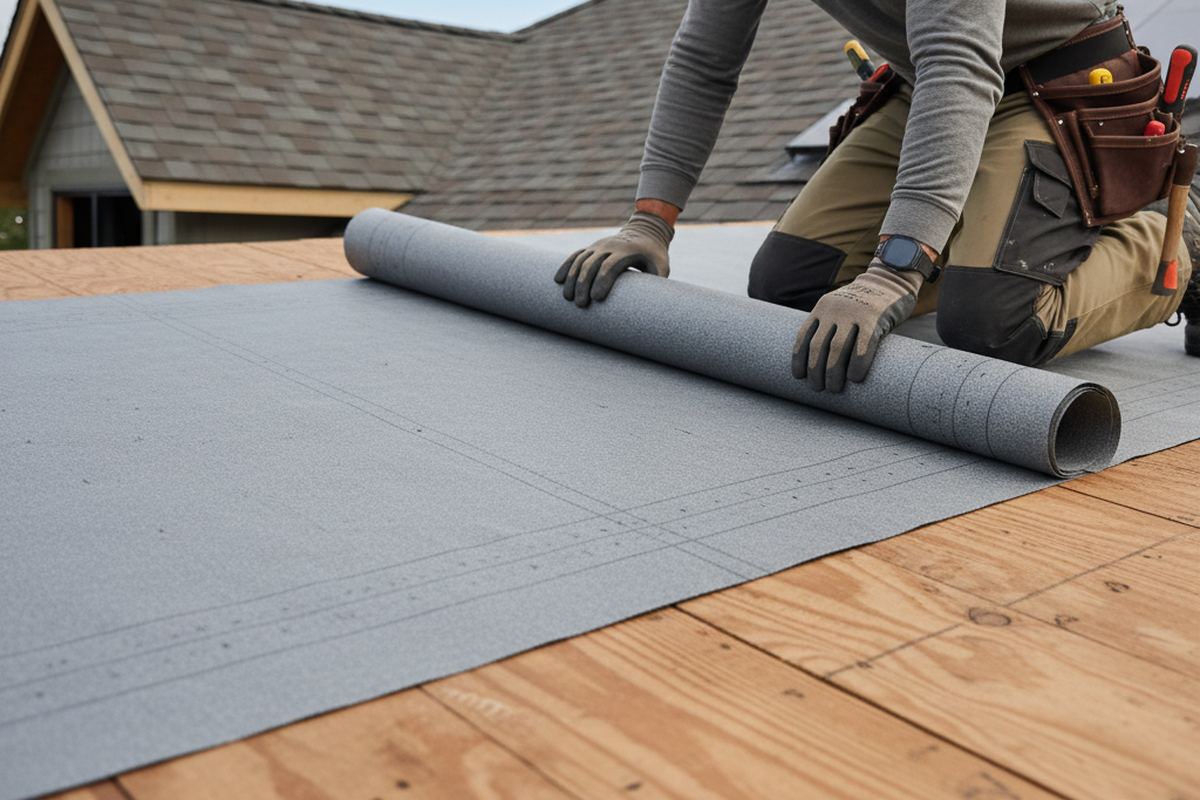
When planning a roof replacement, most homeowners focus on shingle type and color. While these choices are visible, the true longevity and performance of your new roof hinge on components you rarely see: underlayment, flashing, and ventilation. These elements, often overlooked, can account for a significant portion of your total project cost, yet they are critical for protecting your home from water damage and ensuring proper attic function. Understanding their role can help you make informed decisions that safeguard your investment for decades.
Understanding Roof Underlayment
Roof underlayment serves as a crucial secondary barrier against moisture, installed directly onto the roof deck before shingles. Traditionally, this layer was asphalt-saturated felt, but modern synthetic underlayments offer superior tear resistance, water repellency, and longer lifespan. For instance, a high-quality synthetic underlayment might cost between $0.75 and $1.50 per square foot, whereas felt can be $0.20 to $0.40 per square foot, impacting total project costs by several hundred dollars for an average home. This initial cost difference is often justified by enhanced protection and durability.
The choice of underlayment directly influences your roof's resistance to leaks, especially during severe weather. Ice and water shield, a specialized self-adhering underlayment, is particularly important in regions prone to ice dams or heavy rainfall. Building codes in many colder climates now mandate its use along eaves and in valleys, where water tends to accumulate. While more expensive, at $3 to $7 per square foot, its strategic application prevents water penetration that can lead to costly interior damage, making it a wise investment for long-term home protection.
The Critical Role of Flashing
Flashing consists of thin pieces of metal, typically aluminum or galvanized steel, installed at vulnerable roof areas to divert water away from seams and penetrations. These include chimneys, skylights, valleys, and wall junctures. Improperly installed or deteriorated flashing is a leading cause of roof leaks. Homeowners often underestimate the labor and material cost associated with flashing, which can range from $15 to $30 per linear foot depending on complexity and material, adding a substantial amount to the overall project.
Effective flashing relies on meticulous installation. Step flashing, for instance, is interwoven with shingle courses along vertical walls to create a watertight seal, while valley flashing forms a channel for water runoff. Upgrading to heavier gauge or copper flashing, though more expensive, offers superior longevity and corrosion resistance. Ensuring your contractor uses appropriate flashing materials and techniques is paramount, as even the best shingles cannot compensate for inadequate protection at these critical points.
Ventilation: Key to Roof Health
Proper attic ventilation is essential for extending the life of your roof and improving your home's energy efficiency. A balanced ventilation system, incorporating both intake (soffit) and exhaust (ridge or static) vents, allows hot, moist air to escape the attic. Without adequate ventilation, trapped heat can prematurely age shingles, while moisture can lead to mold growth and wood rot. The cost of installing or upgrading a ventilation system, including vents and baffles, can range from $300 to $1,000 or more, depending on the size of your roof and the type of vents selected.
In 2026, energy efficiency standards continue to emphasize the importance of proper attic airflow. A well-ventilated attic maintains a temperature closer to the outside air, reducing cooling costs in summer and preventing ice dam formation in winter. This not only protects your roof structure but also the insulation and interior finishes of your home. Consult with your roofing professional to ensure your new roof system includes a ventilation plan optimized for your climate and home design.
Estimate roof replacement cost by square footage, pitch, and material — get a realistic 2026 number in under a minute.
Open the Roof Replacement CalculatorAssessing Your Existing Roof Deck
Before any new roofing materials are installed, the condition of your roof deck (the plywood or OSB sheathing beneath the underlayment) must be assessed. Water damage, rot, or structural weakness in the deck can compromise the integrity of your entire roof system. A thorough inspection during the tear-off phase is crucial. Replacing damaged decking can add $75 to $150 per 4x8 sheet, plus labor, to your project cost. While an unexpected expense, it is non-negotiable for a lasting roof.
Some contractors include a small allowance for deck repair in their initial quotes, typically covering 1-2 sheets. However, if more extensive damage is found, it will be an additional cost. Discussing this contingency with your contractor upfront helps manage expectations and budget. A sound roof deck provides a stable foundation, ensuring that your new underlayment and shingles perform optimally for their intended lifespan.
The Value of Comprehensive Installation
A roof replacement is more than just installing new shingles; it's a complete system designed to protect your home. Investing in high-quality underlayment, meticulously installed flashing, and an effective ventilation system ensures that your roof performs as intended for its full warranty period, typically 25 to 50 years for asphalt shingles. Cutting corners on these 'hidden' components can save a small amount upfront but often leads to premature failure and costly repairs down the line.
For an average 2,000 square foot roof, the cost of these unseen components and their specialized installation can easily represent 20% to 35% of the total project budget. While a new shingle layer might cost $8,000 to $15,000, the addition of premium underlayment, comprehensive flashing work, and an optimized ventilation system could add another $2,000 to $5,000 or more. This investment is crucial for the long-term health and value of your home, protecting against moisture intrusion and structural damage.
Planning Your 2026 Roof Budget
When budgeting for your 2026 roof replacement, allocate a significant portion of your funds beyond just the shingle material. Obtain detailed quotes that itemize underlayment type, flashing materials and scope, and ventilation components. A transparent contractor will break down these costs, allowing you to understand where your money is being spent and the value each component adds to your roof system. Don't hesitate to ask questions about the specifications of each layer.
Consider the long-term return on investment. A roof built with superior underlayment, flashing, and ventilation will likely last longer, require fewer repairs, and potentially lower your energy bills over its lifetime. While visible aesthetics are important, the unseen elements are the true workhorses of your roof. Prioritizing quality in these areas ensures your home remains protected and comfortable for decades to come.
The bottom line
Understanding the critical roles of underlayment, flashing, and ventilation is key to a successful roof replacement. These elements, though often out of sight, are the backbone of your roof's integrity and longevity. By focusing on a comprehensive roofing system rather than just the shingles, you ensure your investment provides maximum protection and peace of mind for your home.
Get more guidance like this in your inbox
Weekly emergency-fund tactics, milestone checklists, and the next article — delivered free.
Run your own number
Get a personalized emergency fund target based on your income, expenses, and job stability.
Open the calculator