Seed vs Sod: Cost, Timeline, and Which Wins for Your Yard
Head-to-head cost per sq ft and days-to-usable-lawn for seed vs sod.
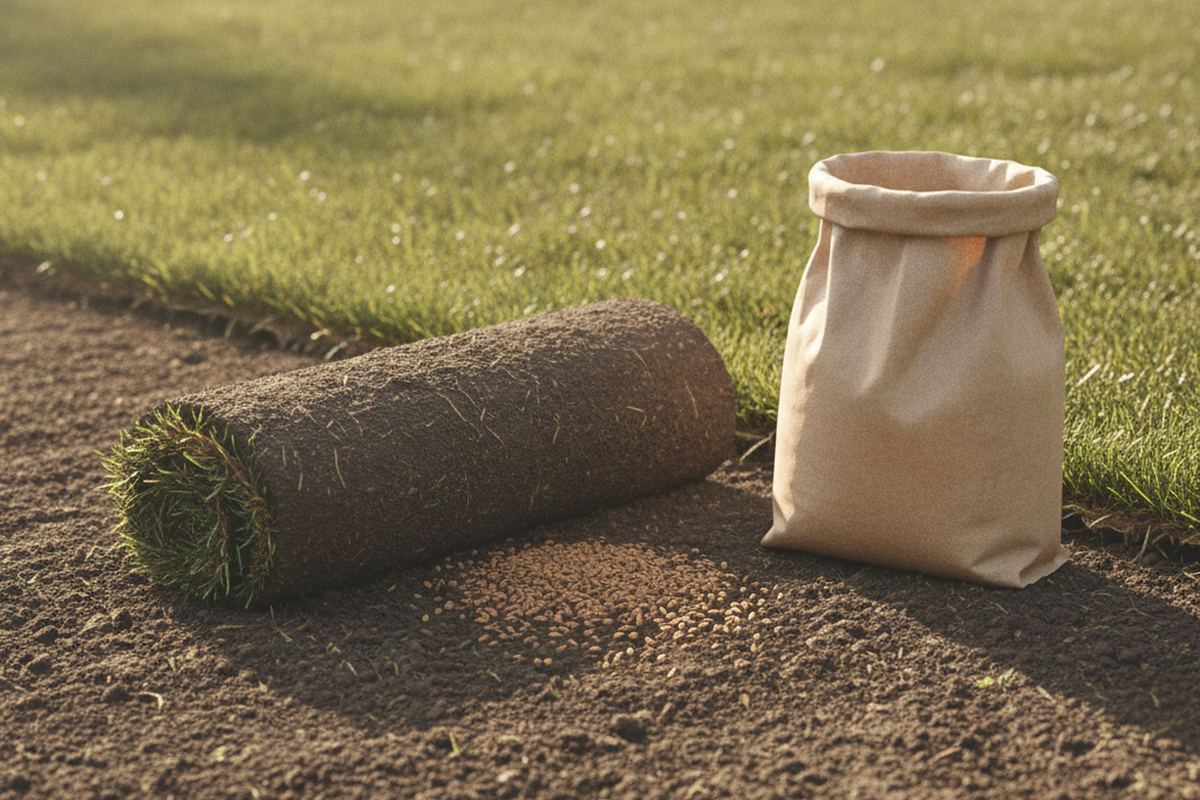
Choosing between seeding and sodding for a new lawn or renovation is a common dilemma for homeowners. Both methods offer distinct advantages and disadvantages, primarily concerning cost, establishment time, and the effort required. Understanding these differences is crucial for making an informed decision that aligns with your budget, timeline, and desired outcome for a healthy, vibrant lawn. This guide breaks down the key factors to consider, helping you determine which approach is best suited for your yard.
Initial Cost Comparison: Seed Offers Savings
When evaluating the upfront investment, lawn seed is consistently the more budget-friendly option. The cost of grass seed can vary significantly based on the type of grass, quality, and blend, but generally ranges from $0.10 to $0.25 per square foot for materials. This cost does not include soil amendments, starter fertilizer, or any equipment rentals like spreaders, which can add to the total. For a 1,000 square foot area, materials alone might cost $100 to $250.
Sod, by contrast, carries a substantially higher material cost. Expect to pay between $0.30 and $0.70 per square foot for the sod itself, depending on grass type and supplier. Installation, if professionally done, can add another $0.50 to $1.00 per square foot, bringing the total cost per square foot to $0.80 to $1.70 or more. For the same 1,000 square foot area, sod materials and professional installation could range from $800 to $1,700, making it several times more expensive than seeding.
Timeline to a Usable Lawn: Sod's Instant Appeal
Sod provides an immediate lawn, which is its most significant advantage. Once installed, within 2-3 weeks, the roots begin to establish, and the lawn can typically withstand light foot traffic. Full establishment, where the sod is firmly rooted and can handle normal use, usually takes 4-6 weeks. This rapid transformation is ideal for homeowners who need a finished lawn quickly, perhaps for selling a home or preparing for an event.
Establishing a lawn from seed is a much longer process. Germination can take 5-30 days, depending on the grass type and environmental conditions. After germination, the young grass needs several weeks to grow strong enough to tolerate mowing, typically 3-4 weeks after sprouting. Light foot traffic is generally not recommended until the lawn is fully established, which can take 8-12 weeks, and sometimes even longer for certain grass types or if conditions are not optimal. A truly durable, mature lawn from seed might take 6-12 months.
Installation Effort and Skill: DIY Seed, Pro Sod
Seeding a lawn is a task that most homeowners can accomplish on their own with basic tools. The process involves preparing the soil, spreading the seed evenly, applying a starter fertilizer, and ensuring consistent watering. While it requires attention to detail and patience, the physical labor is generally manageable. DIY seeding allows for greater control over seed blends and can be a rewarding project for those who enjoy gardening.
Sod installation is physically demanding and often benefits from professional expertise. The sod rolls are heavy, and proper preparation of the subgrade is critical for a smooth, even surface. Laying sod correctly to ensure tight seams and good contact with the soil requires skill and experience. While DIY sod installation is possible, many homeowners opt for professional services to ensure a high-quality, long-lasting result and to avoid potential issues like uneven patches or poor rooting.
Get the exact pounds of seed you need for your lawn size, grass type, and overseeding vs new lawn.
Open the Lawn Seed CalculatorFlexibility and Grass Type Selection
Seeding offers unparalleled flexibility in choosing grass types and blends. You can select specific varieties that are best suited for your local climate, soil conditions, sun exposure, and desired aesthetic. This allows for a highly customized lawn that is optimized for long-term health and resilience. Homeowners can also easily overseed with different varieties to improve turf density or adapt to changing environmental factors.
With sod, your grass type options are limited to what local nurseries and suppliers have readily available. While many common grass types are offered, very specific or specialty blends might be difficult or impossible to source as sod. This limitation means you might not be able to achieve the exact grass composition you desire, potentially compromising on optimal performance for your specific yard conditions.
Weed Control and Initial Maintenance
New lawns established from seed are more susceptible to weed invasion during their early growth stages. Weed seeds present in the soil can germinate alongside the grass, competing for resources. Careful site preparation, including removing existing weeds, and the use of a starter fertilizer without pre-emergent herbicides (which can inhibit grass seed germination) are crucial. Ongoing vigilance and manual weeding are often necessary until the grass canopy is dense enough to shade out new weed growth.
Sod provides a nearly weed-free start. Because it's a mature turf, it comes with an established root system and a dense canopy that effectively chokes out most weed seeds from germinating. This significantly reduces the initial weed control effort. However, even a sodded lawn is not entirely immune to weeds, and some may emerge over time, especially if the underlying soil was not properly prepared or if weed seeds are introduced later.
Watering Requirements for Establishment
Both seeded and sodded lawns require diligent watering during their establishment phase, but the intensity and duration differ. For seeded lawns, consistent moisture is critical for germination and the survival of young seedlings. This often means light watering multiple times a day for the first few weeks to keep the top inch of soil moist. Inconsistent watering can lead to poor germination or seedling death, potentially requiring re-seeding.
Sod requires heavy and consistent watering immediately after installation to encourage deep root growth into the underlying soil. The goal is to keep the sod and the top several inches of soil thoroughly saturated for the first 2-3 weeks. While the frequency might be less than for seed (e.g., once or twice daily), the volume of water per session is typically higher. Failure to water adequately can result in the sod drying out, shrinking, and dying, leading to costly replacements.
- Seeded lawns: Light, frequent watering (multiple times daily) for 2-4 weeks.
- Sodded lawns: Heavy, less frequent watering (1-2 times daily) for 2-3 weeks.
The bottom line
Ultimately, the choice between seed and sod depends on individual priorities. If budget is a primary concern and you have patience, seeding offers significant cost savings and greater flexibility in grass type selection. If you need an instant lawn and are willing to invest more for immediate gratification and reduced initial weed issues, sod is the superior choice. Consider your timeline, budget, and willingness to undertake ongoing maintenance when making your decision for a thriving lawn.
Get more guidance like this in your inbox
Weekly emergency-fund tactics, milestone checklists, and the next article — delivered free.
Run your own number
Get a personalized emergency fund target based on your income, expenses, and job stability.
Open the calculator